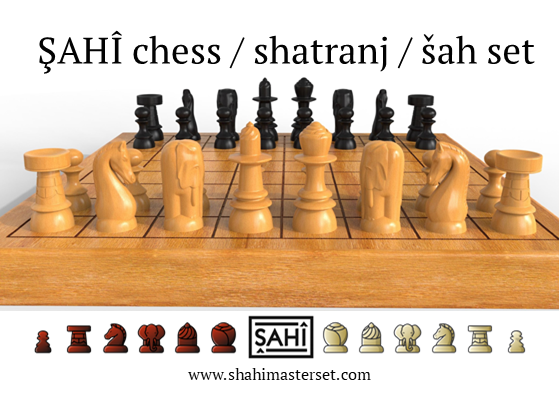
شاہ (ŞAH) ایک اصطلاح ہے جو کئی سلاو زبانوں میں شطرنج کے لیے استعمال ہوتی ہے۔ جرمن لفظ “schach”، فرانسیسی “échecs” اور انگریزی “chess” سب صوتی طور پر لفظ “شاہ” سے ماخوذ ہیں۔ صفت کے طور پر “ŞAHΔ کا مطلب شاہی یا خاص طور پر شاہ سے متعلق ہوتا ہے۔ اسے ادبی متون میں مضبوط اور شاندار کے معنی میں بھی استعمال کیا جاتا ہے۔.
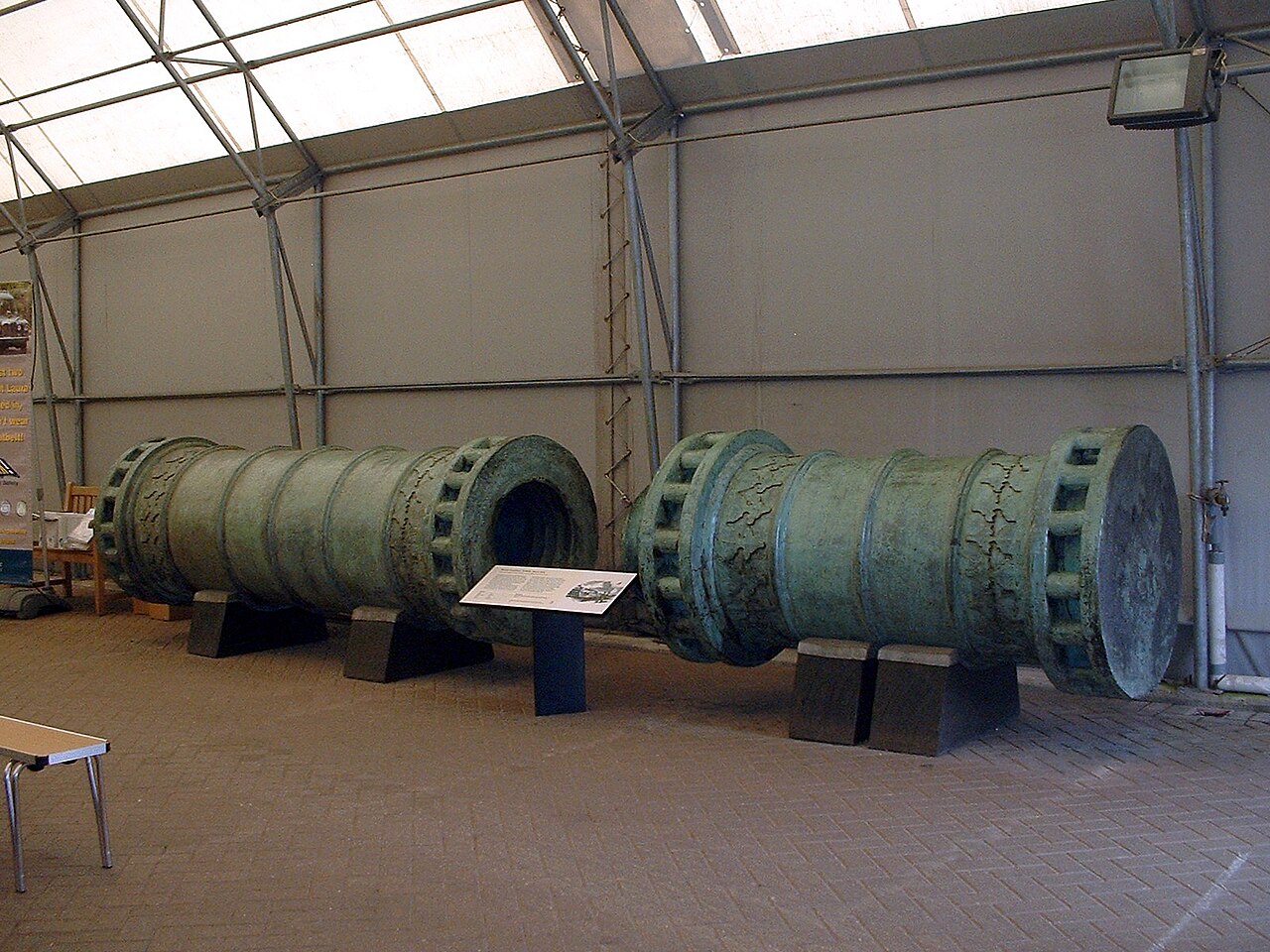
ŞAHÎ توپ، جسے ہنگری کے انجینئر اوربان نے ڈیزائن کیا تھا، نے 1453 کی محاصرے کے دوران فاتح سلطان محمد کی قیادت میں قسطنطنیہ کی دیوہیکل دیواروں اور میناروں کو توڑنے میں کلیدی کردار ادا کیا، جو محاصرہ جنگی میں ایک انقلابی تبدیلی کی علامت تھی۔.
استنبول کی فتح کے تین صدیوں بعد، 1807 میں ڈارڈانیلز کی مہم کے دوران ایک اور صدیوں پرانی ŞAHÎ توپ برطانوی جہازوں پر داغی گئی، جس سے بھاری جانی نقصان ہوا۔ عثمانی سلطان عبد العزیز نے 1866 میں یہ توپ ملکہ وکٹوریہ کو تحفے میں دی۔ اوپر دکھائی گئی ŞAHÎ توپ کی تصویر برطانیہ کے فورٹ نیلسن سے ہے۔.
نام ŞAHÎ مختلف زبانوں میں روک کے ٹکڑے کی ترقی کی علامت ہے، جنگی رتھ سے مینار تک، توپ سے جہاز تک، جو شطرنج کی ارتقا کو ظاہر کرتا ہے۔.
ŞAHÎ شطرنج سیٹ کو ٹامر کاراٹیکن نے ڈیزائن کیا تھا، جو میساچوسٹس انسٹی ٹیوٹ آف ٹیکنالوجی کی شطرنج ٹیم کے سابق پہلے بورڈ کھلاڑی اور ایک تجربہ کار شطرنج کے معلم ہیں۔ یہ شطرنج کی تاریخ اور ارتقا کی خوبصورتی سے نمائندگی کرتا ہے اور تعلیمی اور ٹورنامنٹ دونوں استعمال کے لیے تیار کیا گیا ہے۔ اسے ثقافتی اور روحانی طور پر جامع بنایا گیا ہے۔ اس کی تیاری کو میساچوسٹس کلچرل کونسل اور یورپی یونین کے ایراسمس+ یوتھ پروگرام کے گرانٹس نے معاونت فراہم کی۔.
ŞAHÎ کے ڈیزائن کی کہانی کے بارے میں مزید جانیں: www.shahimasterset.com
اس کے علاوہ، ہمارے متعلقہ منصوبے بھی دیکھیں:
شطرنج پر مبنی مصنوعی ذہانت کا نصاب: شطرنج ڈاٹ اے آئی
تاریخی ذہنی کھیلوں کی نمائش: شطرنج۔آرٹ