Welcome to Shatranj.art! We are dedicated to preserving and showcasing historical board games, with a special focus on chess sets that carry centuries of heritage and artistry. Our exhibitions offer a glimpse into these games’ social and cultural impact across various civilizations. Whether displayed in premium locations or as digital experiences in classrooms, our collections aim to educate and inspire enthusiasts and students alike. Our exhibit was supported financially by the European Union’s Youth grant programme, as part of the shatranj.ai project.
While our exhibit is open-access and free for download, we can send you a digital pack of curated exhibition images for print and physical chess pieces so you can exhibit at your school.
Please reach out to coordinate a larger display of our exhibition at your art venue or museum, including a workshop on the history of shatranj and other historic board games
Browse our online gallery to explore a diverse collection of historical chess sets and board games. Each piece is curated to highlight the craftsmanship and cultural narratives that have shaped these games through the ages. From the intricate Islamic carvings of the 12th century to the robust wooden figures of 19th-century European cafe culture, each set tells a unique story.
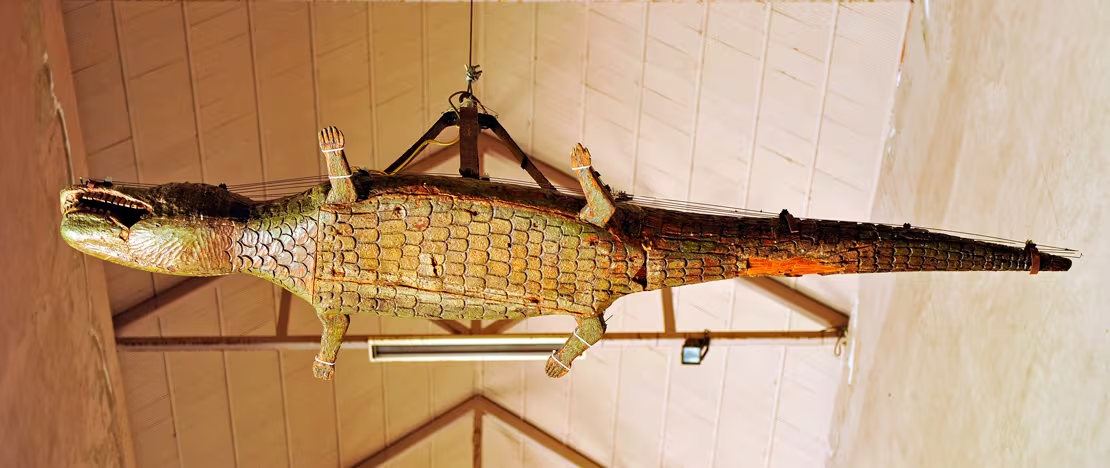
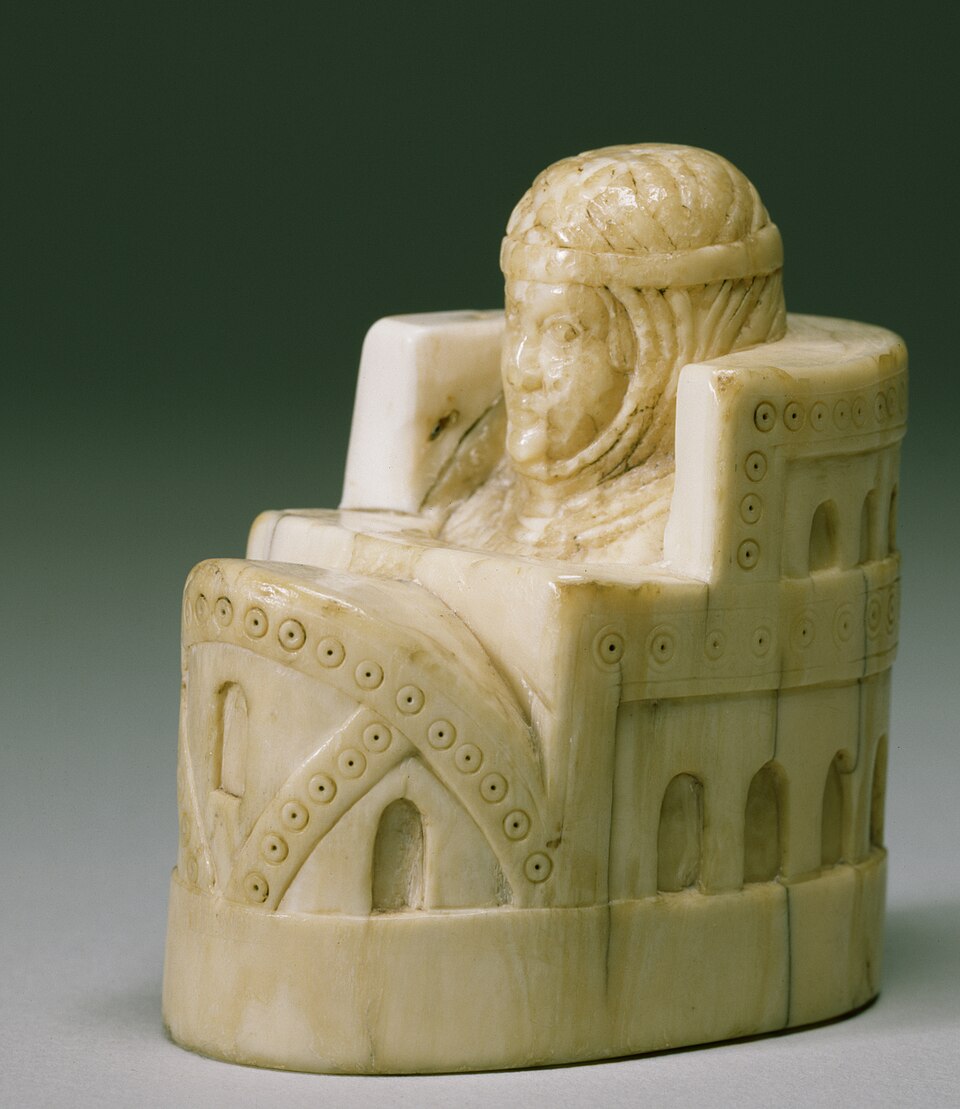
Seville crocodile and 12th century Dama (Alferza) figure
The “Lagarto” (Crocodile) in Seville Cathedral served as the inspiration for the Crocodile piece in Alfonso X’s 1283 book; its unlimited diagonal movement became the foundation for the modern movement for this piece. Beside it, the 12th-century female figure represents the woman, marking one of the earliest examples of the transition from the vizier (alferza) to the modern Dama (Queen). During this era, the piece was still restricted to moving only one square diagonally.
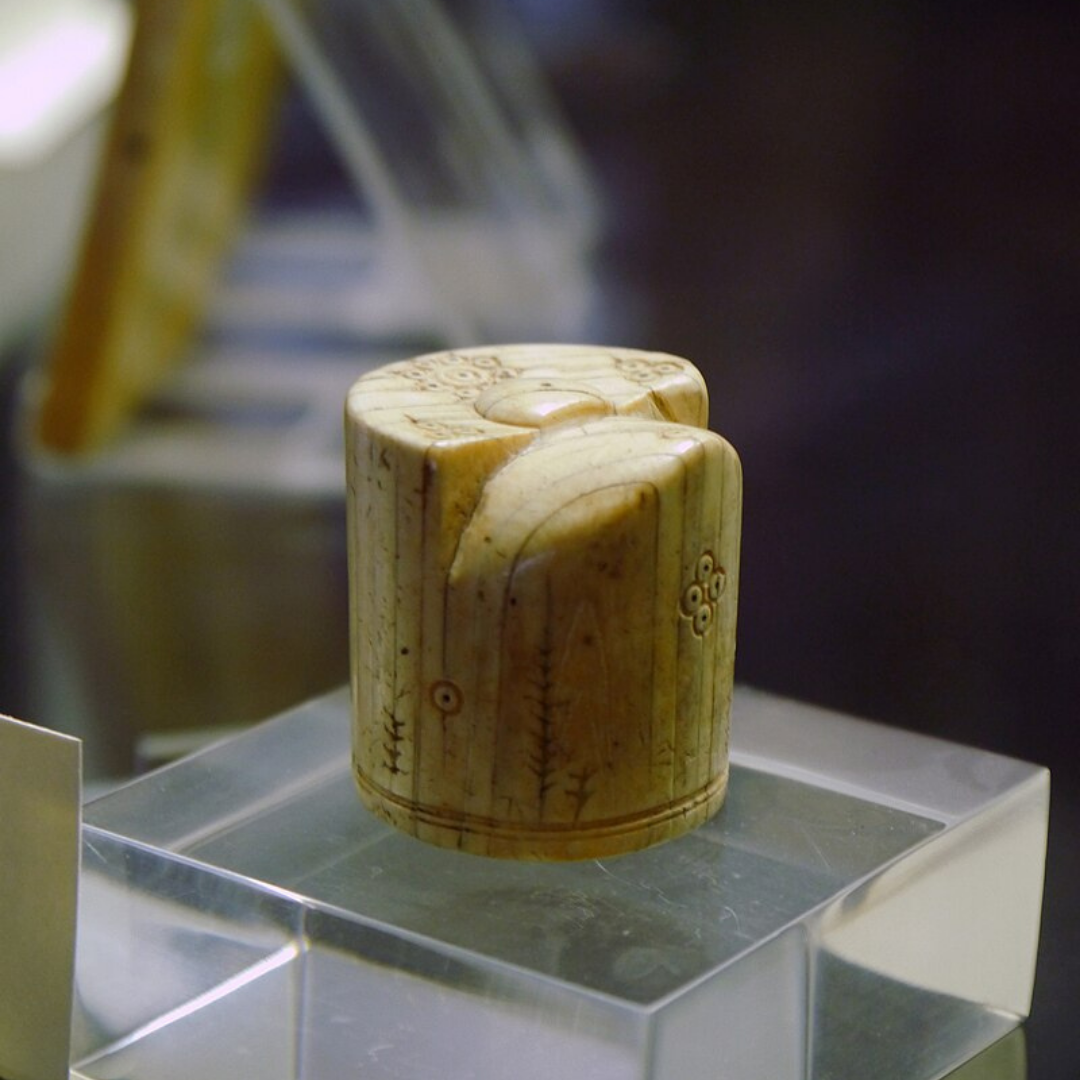
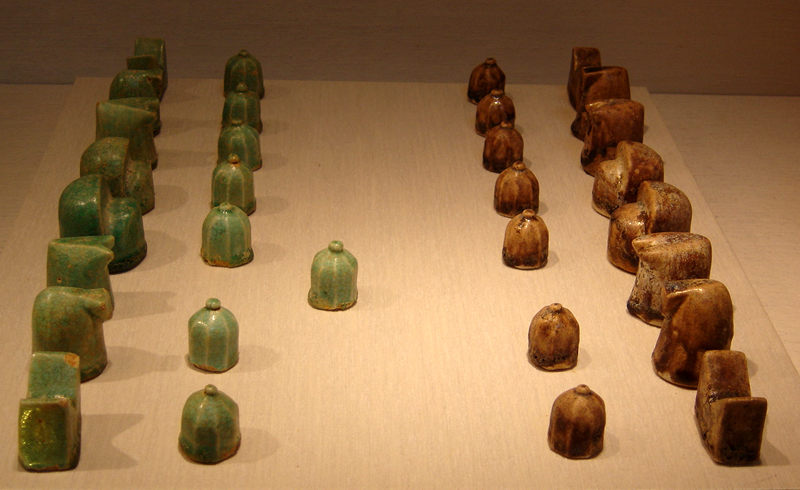
12th century chess set from Islamic lands
This 12th-century Shatranj set from the medieval Islamic world exemplifies the refined craftsmanship and aesthetic of traditional Islamic art. Characterized by intricate geometric patterns and detailed carvings, these abstract pieces represent the direct lineage of modern chess. The set serves as a historical bridge, reflecting the unique rules and strategic logic of the era while highlighting the game’s evolution through non-figurative design. Similar sets were used in Spain during this era.
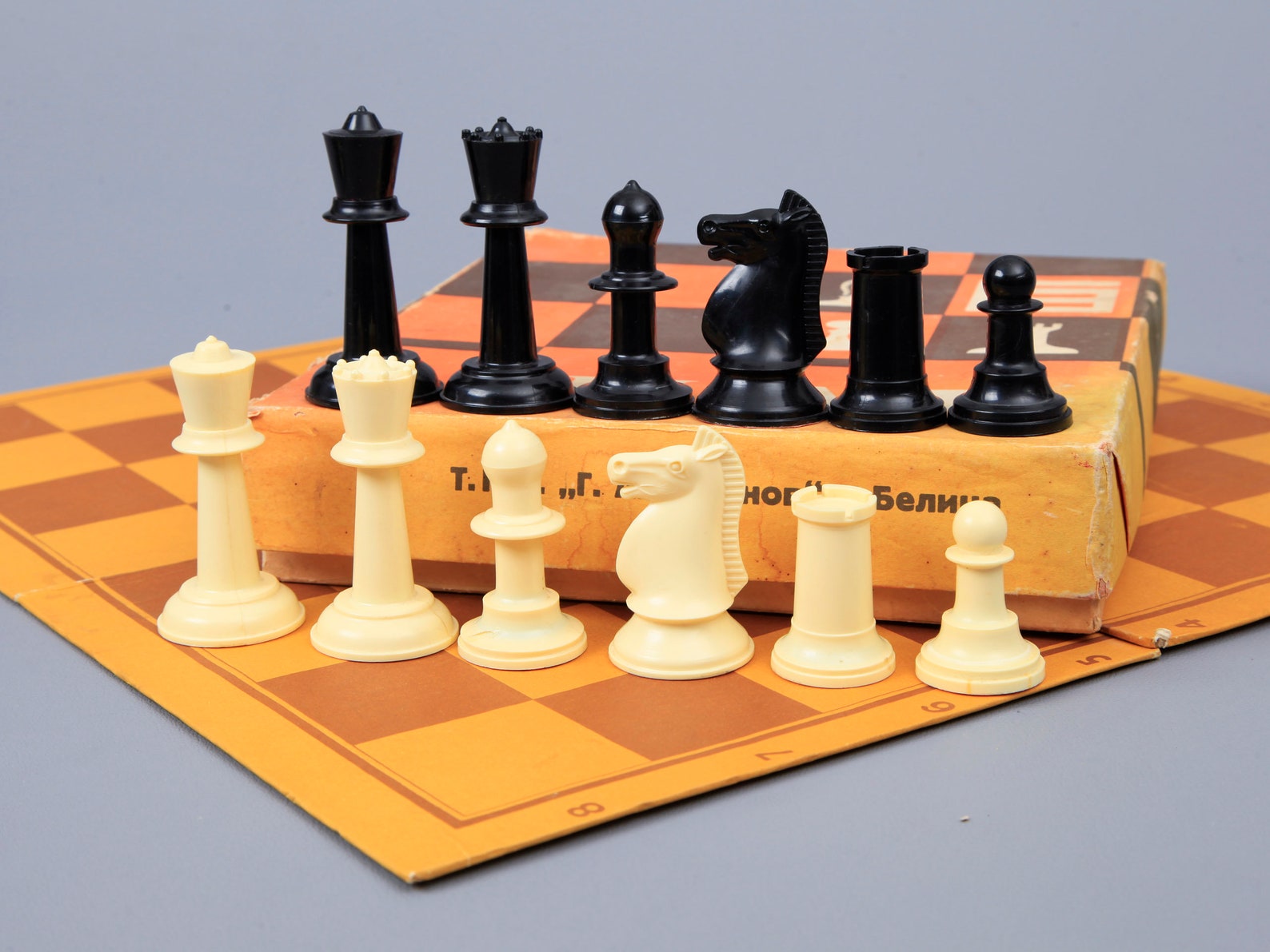
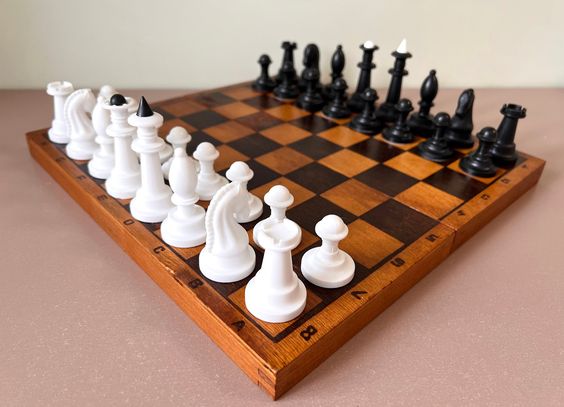
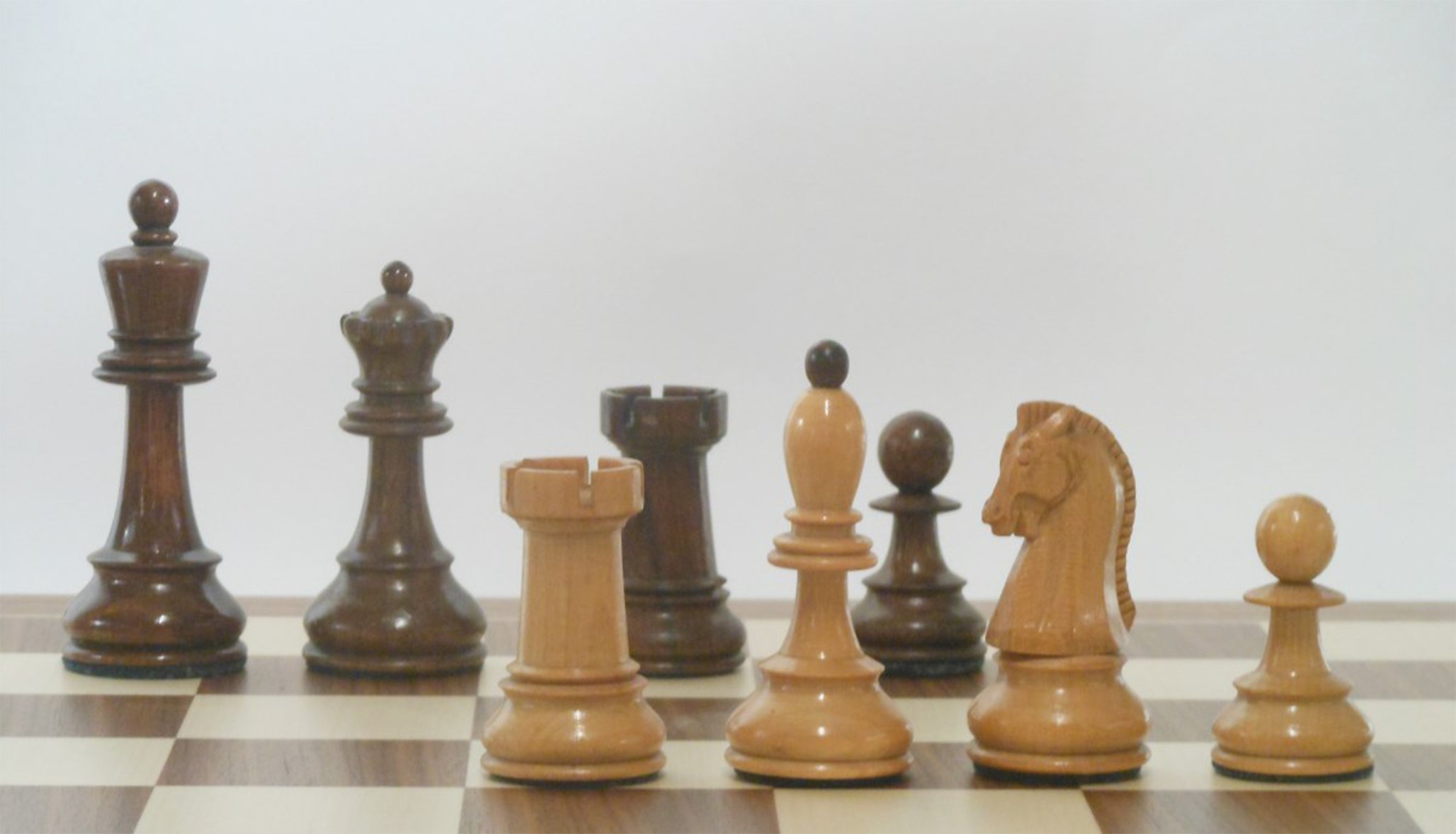
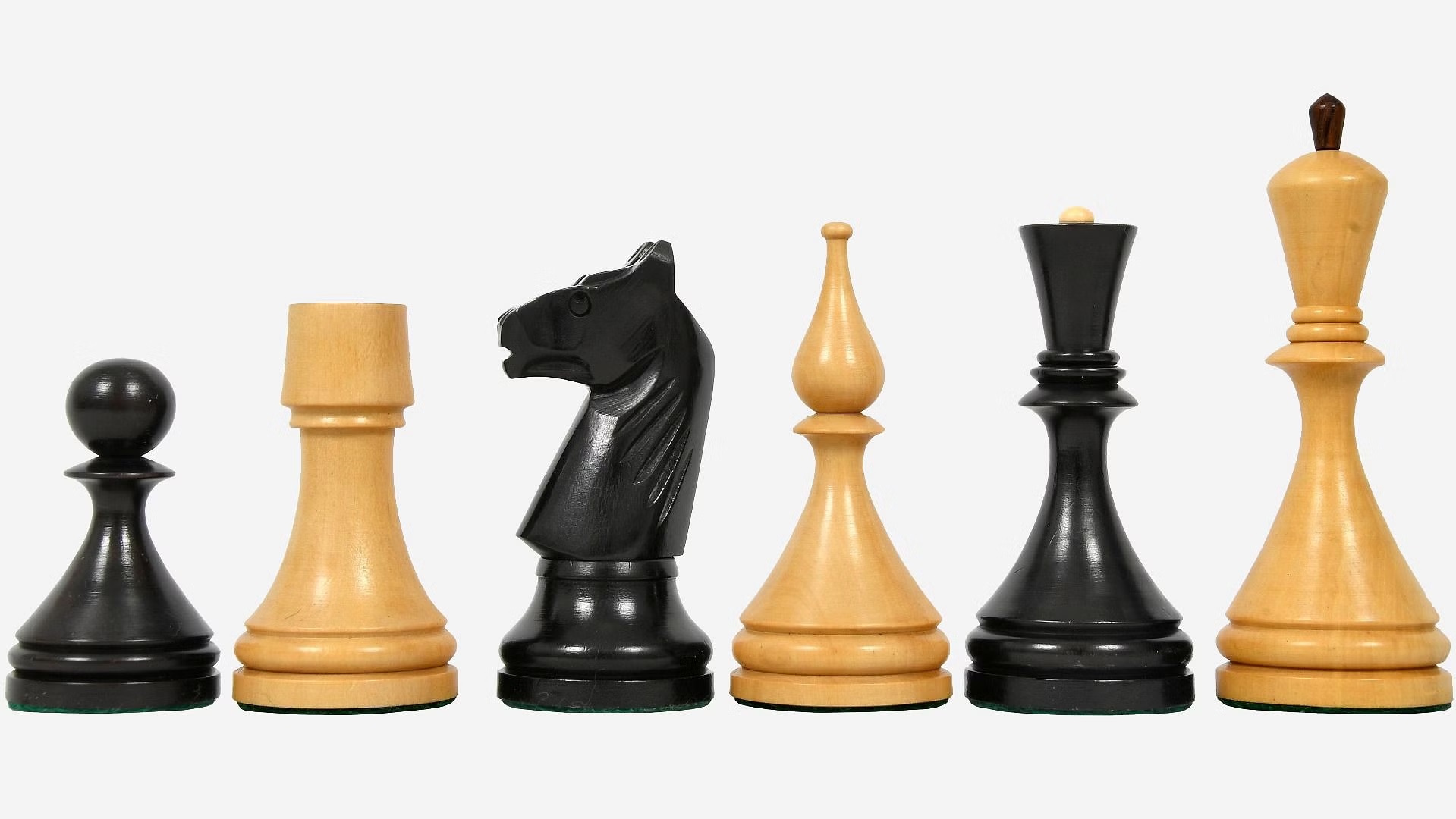
1962 Varna Olympiad chess: The standard set of the Istanbul Chess Association
These pieces originated in Bulgaria and were used in the 1962 Varna Chess Olympiad, where they originally featured a cross finial. Subsequently, Bulgarian immigrants brought the design to Istanbul in a version without the cross. From 1965 onwards, they became the most popular sets at the Istanbul Chess Association. Later, similar models were produced in Turkey under the “Gambit” brand, eventually becoming the most widespread chess set used throughout the country.
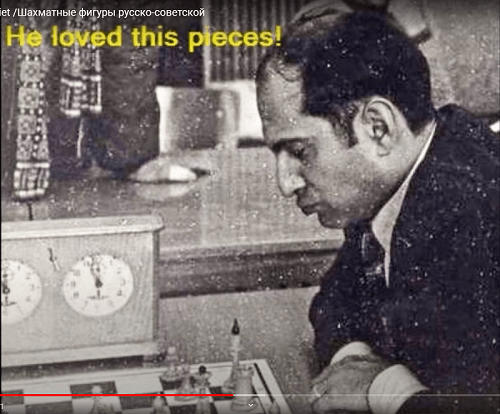
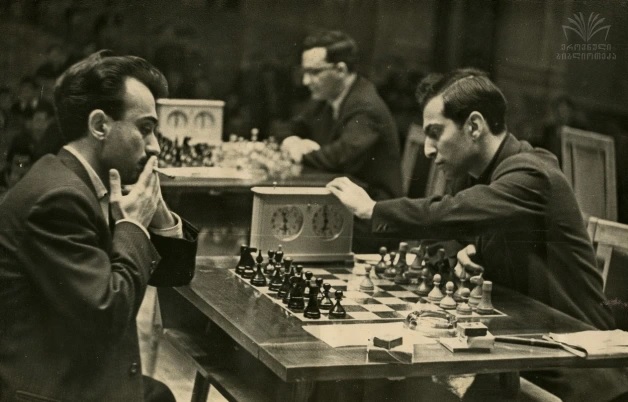
Latvian Chess Set
Featured in the series finale of the hit show The Queen’s Gambit, this Latvian-origin chess set was once one of the most widely used designs across socialist nations. Known for its balanced and universal aesthetic, it was also the preferred set of the legendary Latvian World Champion Mikhail Tal, the “Magician from Riga.”
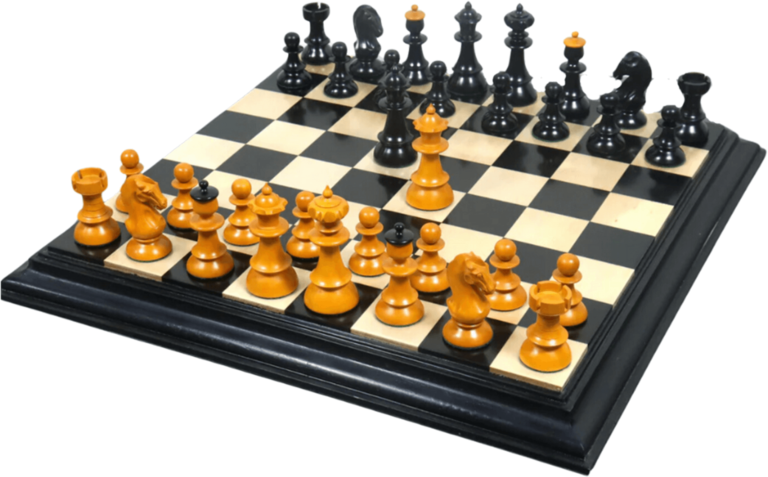
Austrian Cafe House Set
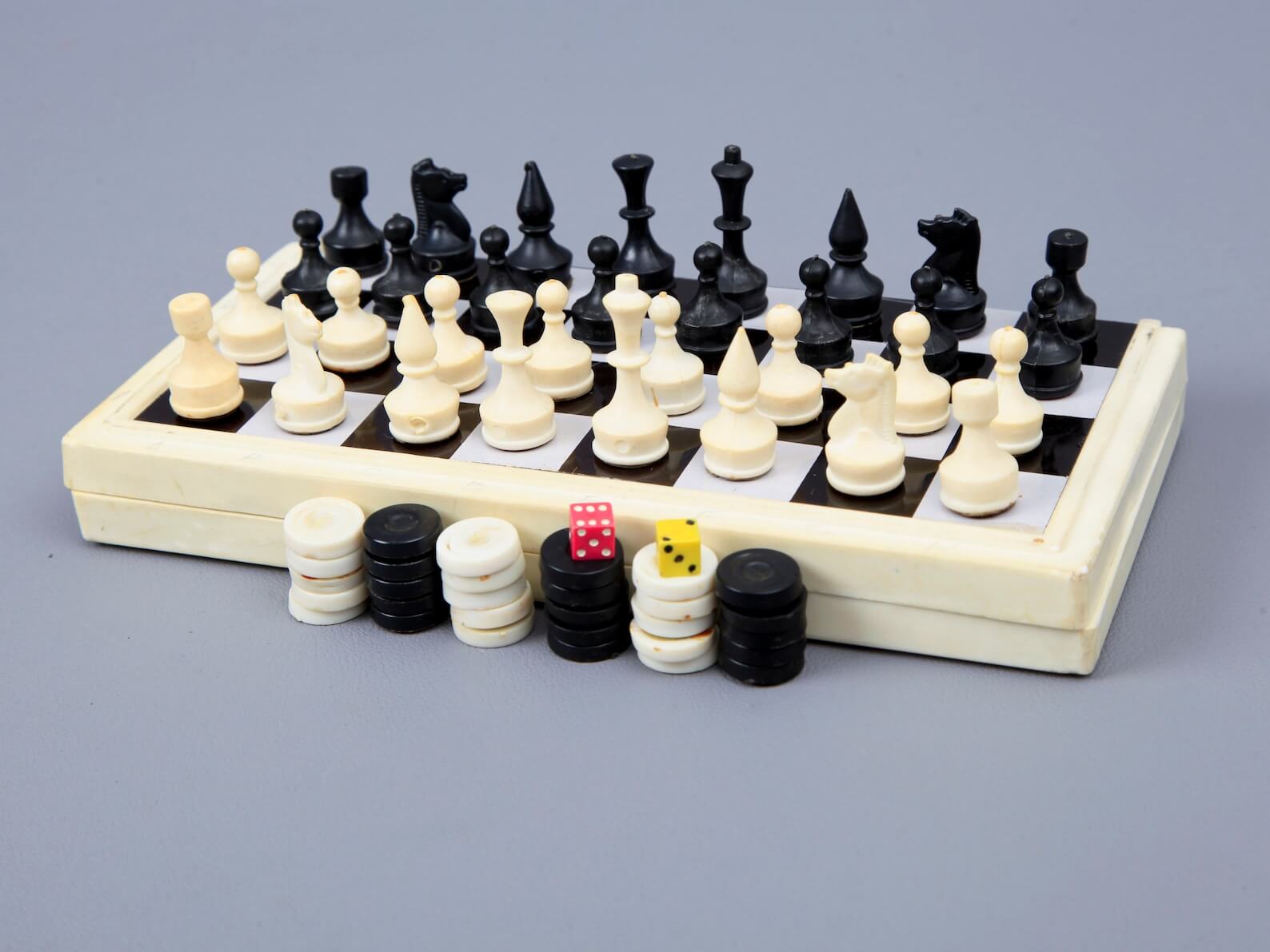
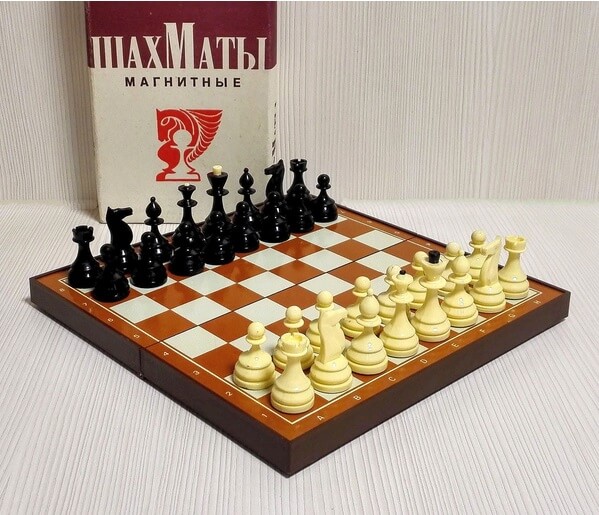
Travel chess sets from Socialist countries
Frequently sold in Turkey, these portable chess sets were once among the most popular designs across the Soviet Union, the Balkans (Bulgaria), and Yugoslavia.
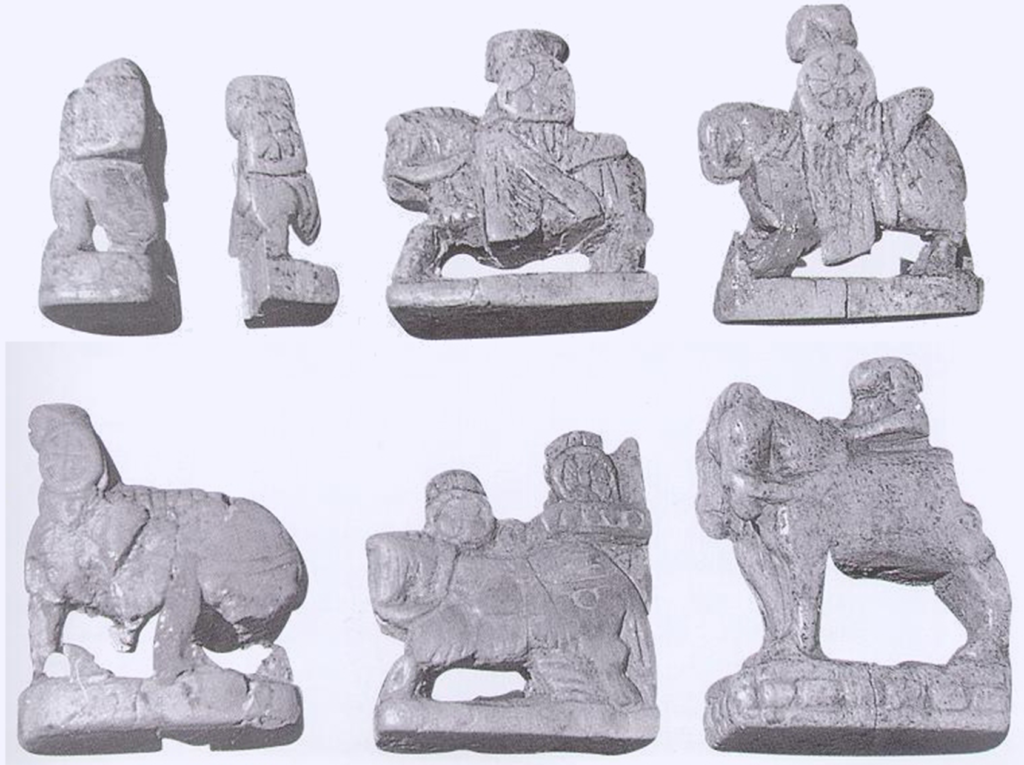
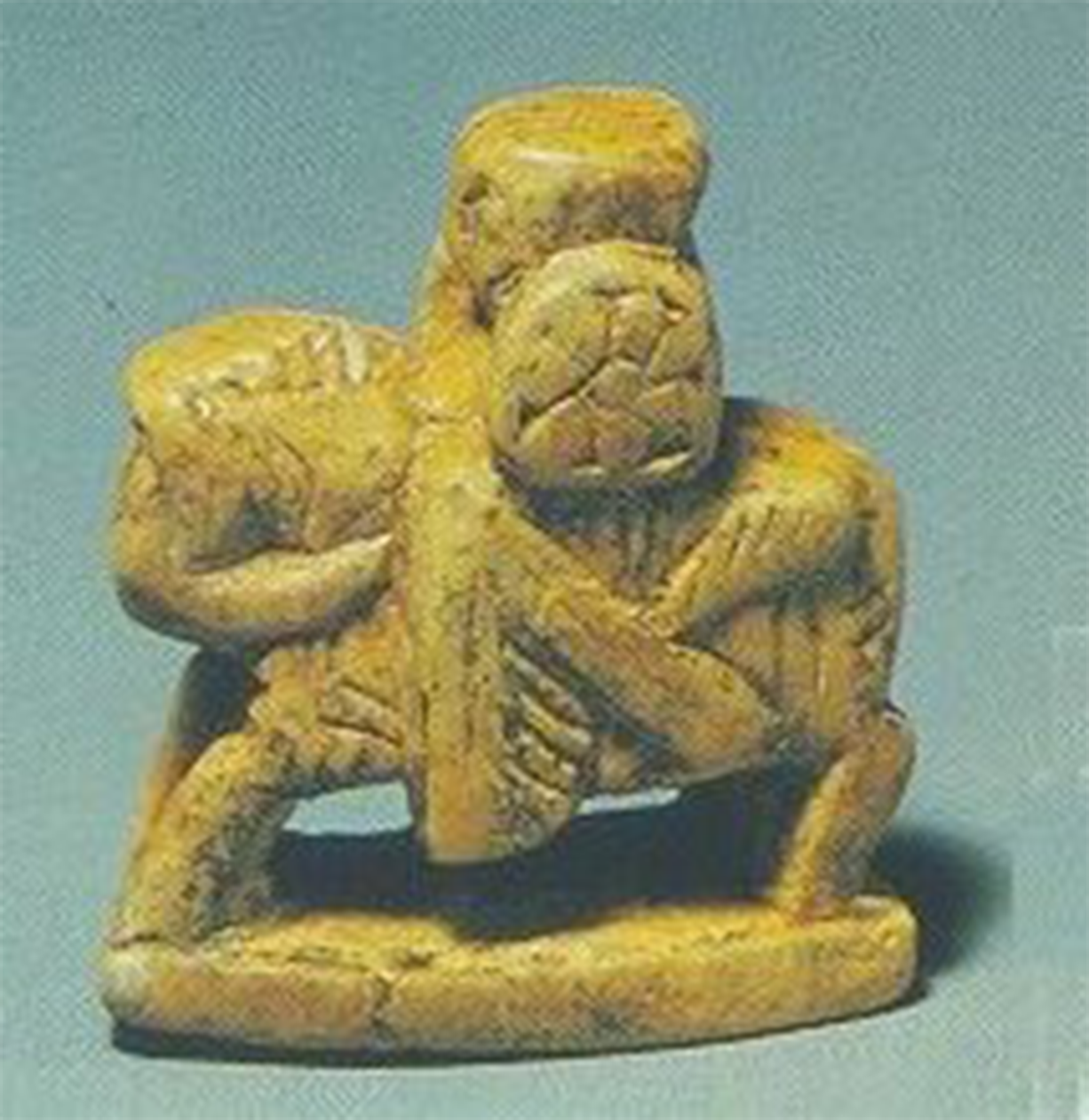
Semerkand Afrasiyab Chess Set
Found in the Afrasiyab region of Samarkand, these 7th-8th century ivory figures constitute the oldest surviving chess set in the world. These detailed pieces reflect the Central Asian origins of the game in a figurative style: the set includes a Shah (King) depicted on a chariot pulled by several horses, a Vizier in the form of a shielded cavalryman, and an Alfil (Bishop) atop an elephant. The presence of a Chariot and a mounted warrior figure in the set reveals the courtly and military hierarchy of chess before it transitioned into more abstract designs.
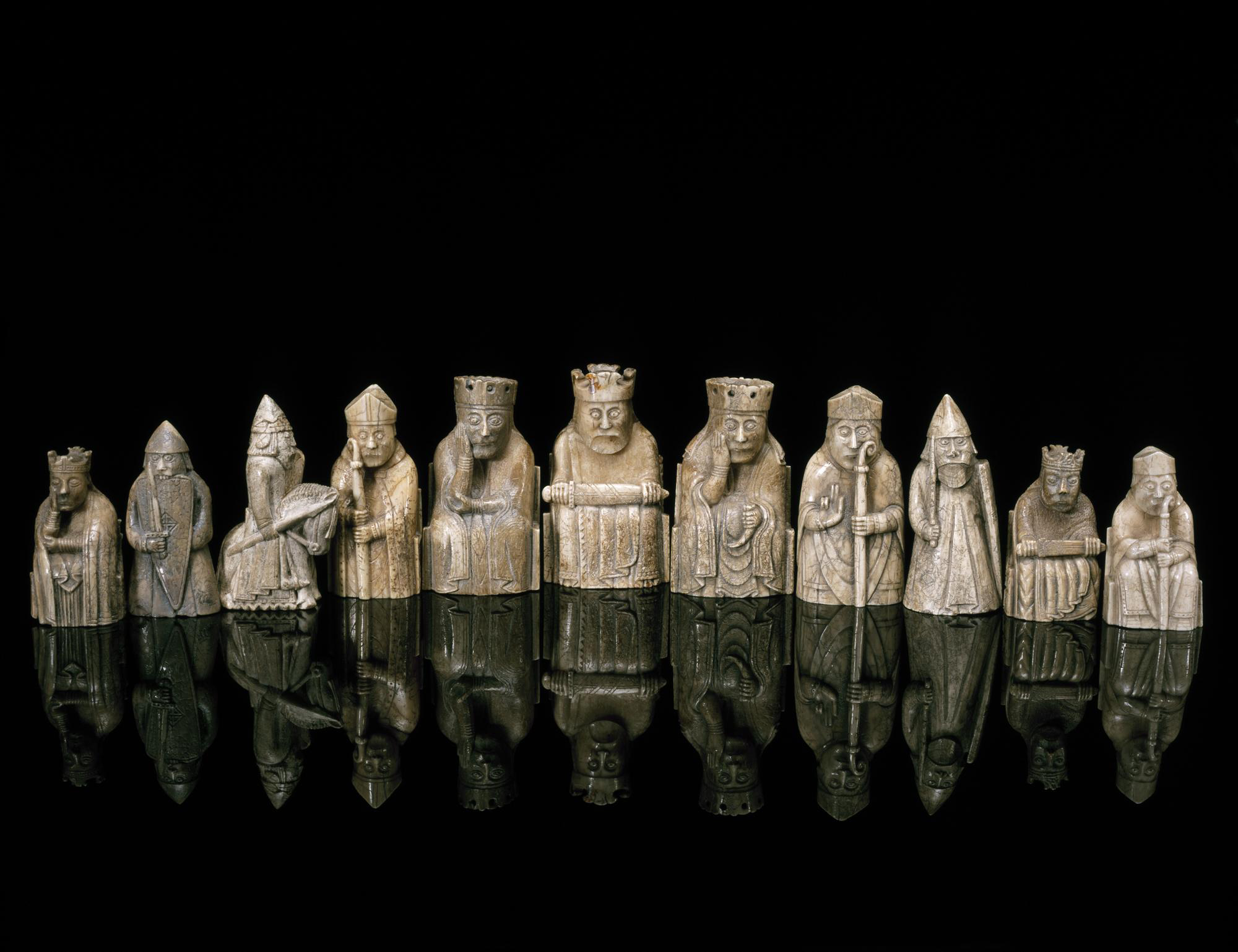
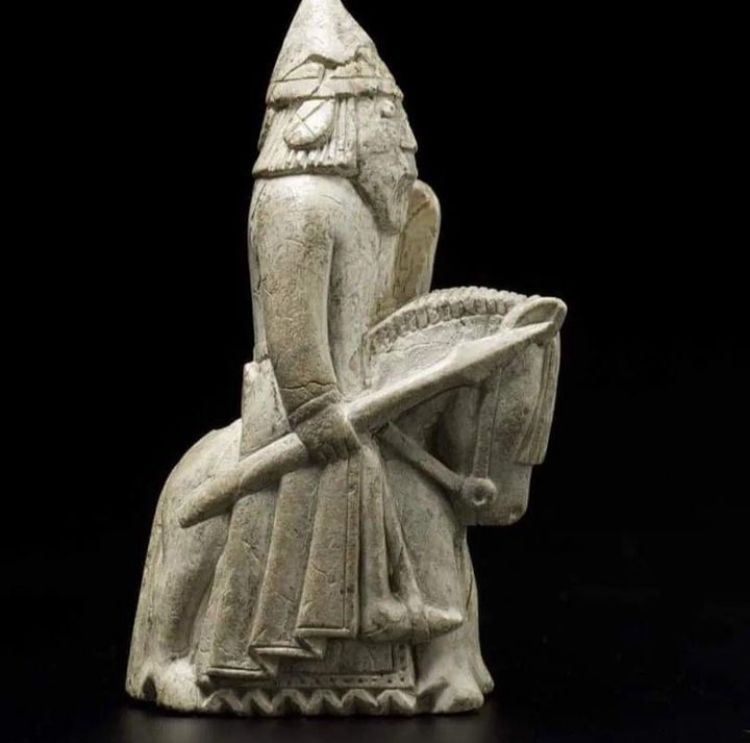
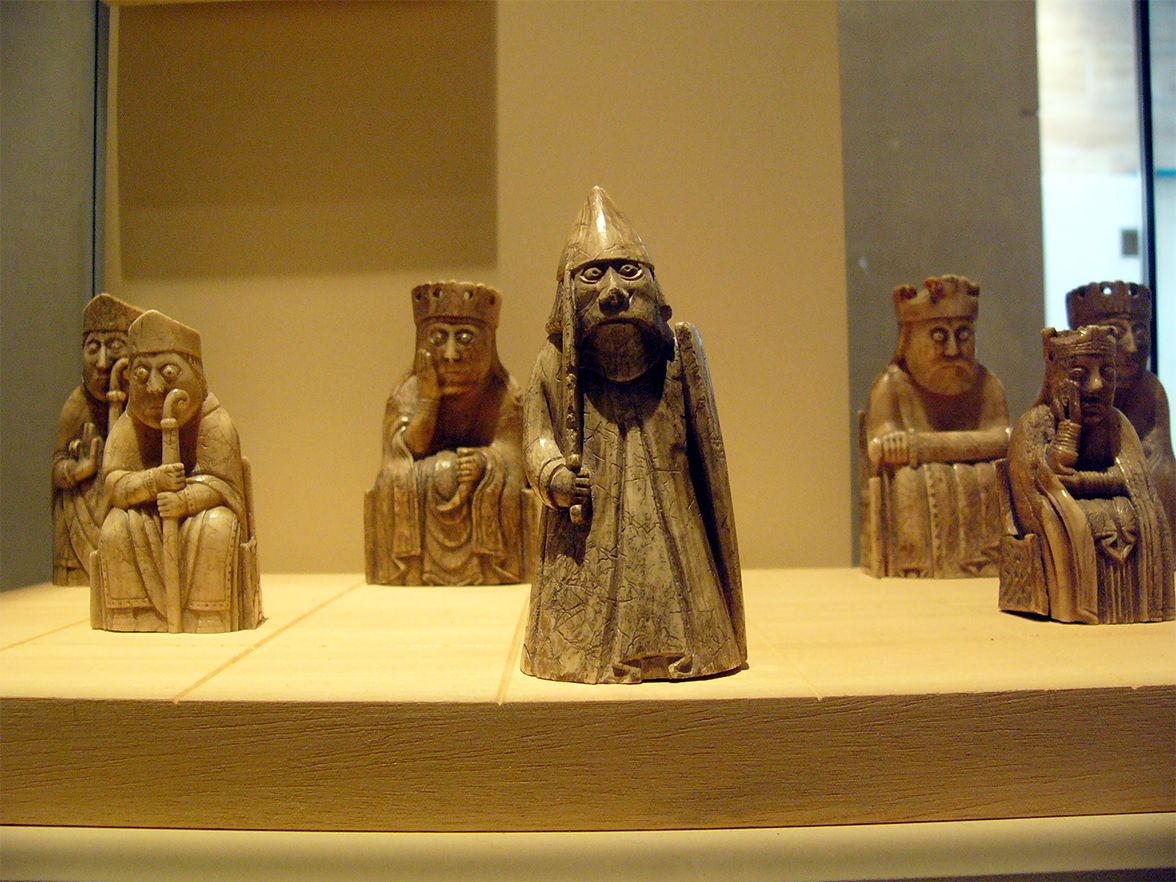
Lewis Chess Set
The Lewis Chessmen are perhaps the most famous chess pieces in the world. Here are a few quick facts about them:
Material: Most of them are carved from walrus ivory, with a few made from whale teeth.
The “Berserker”: One of the most famous pieces in the set is a Rook depicted as a “Berserker” (a Norse warrior) biting his shield in a trance-like rage.
Discovery: They were found in 1831 on the Isle of Lewis in the Outer Hebrides, Scotland.
Pop Culture: If they look familiar, it might be because the set used in the film Harry Potter and the Sorcerer’s Stone was modeled directly after the Lewis Chessmen!
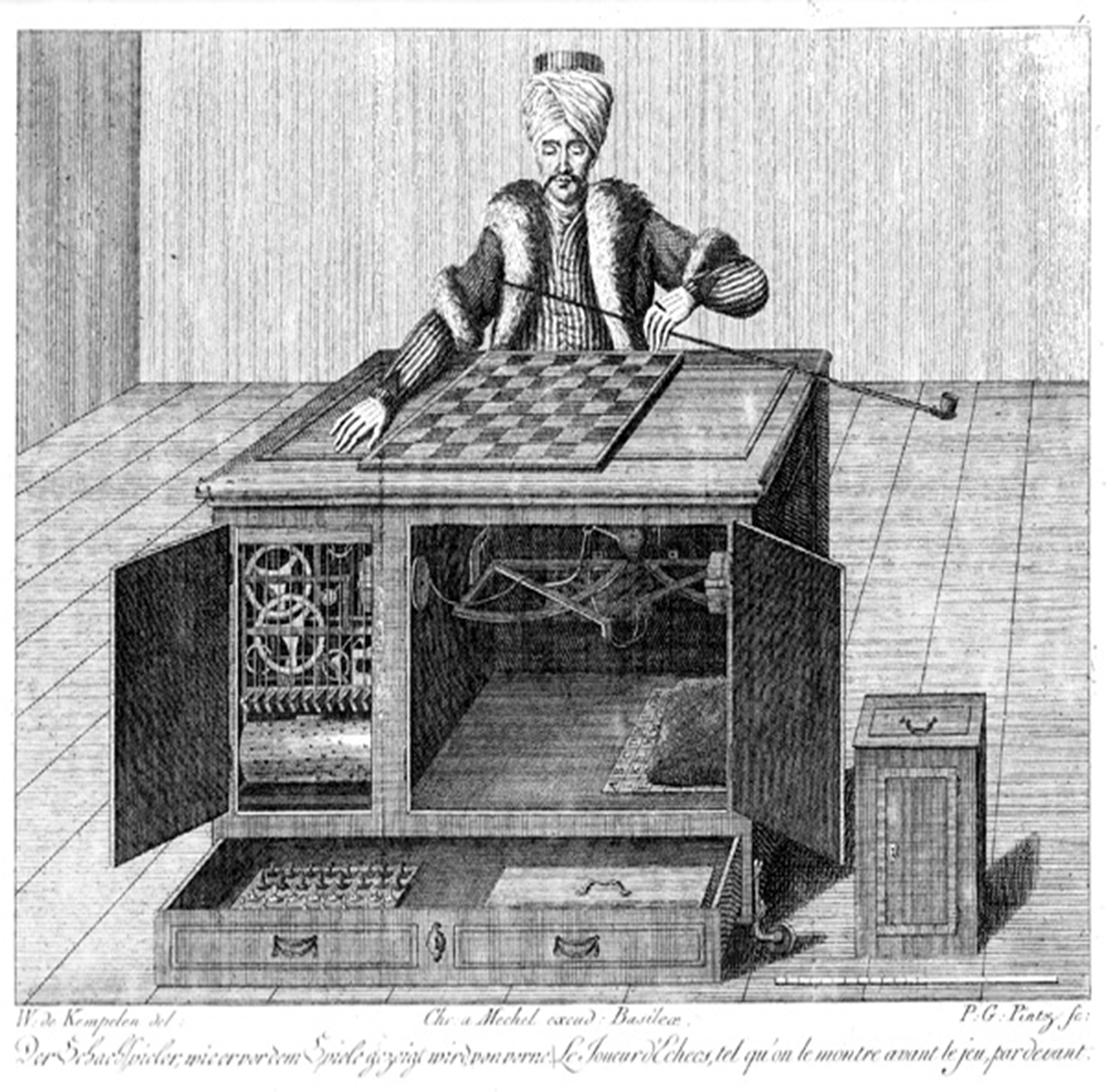
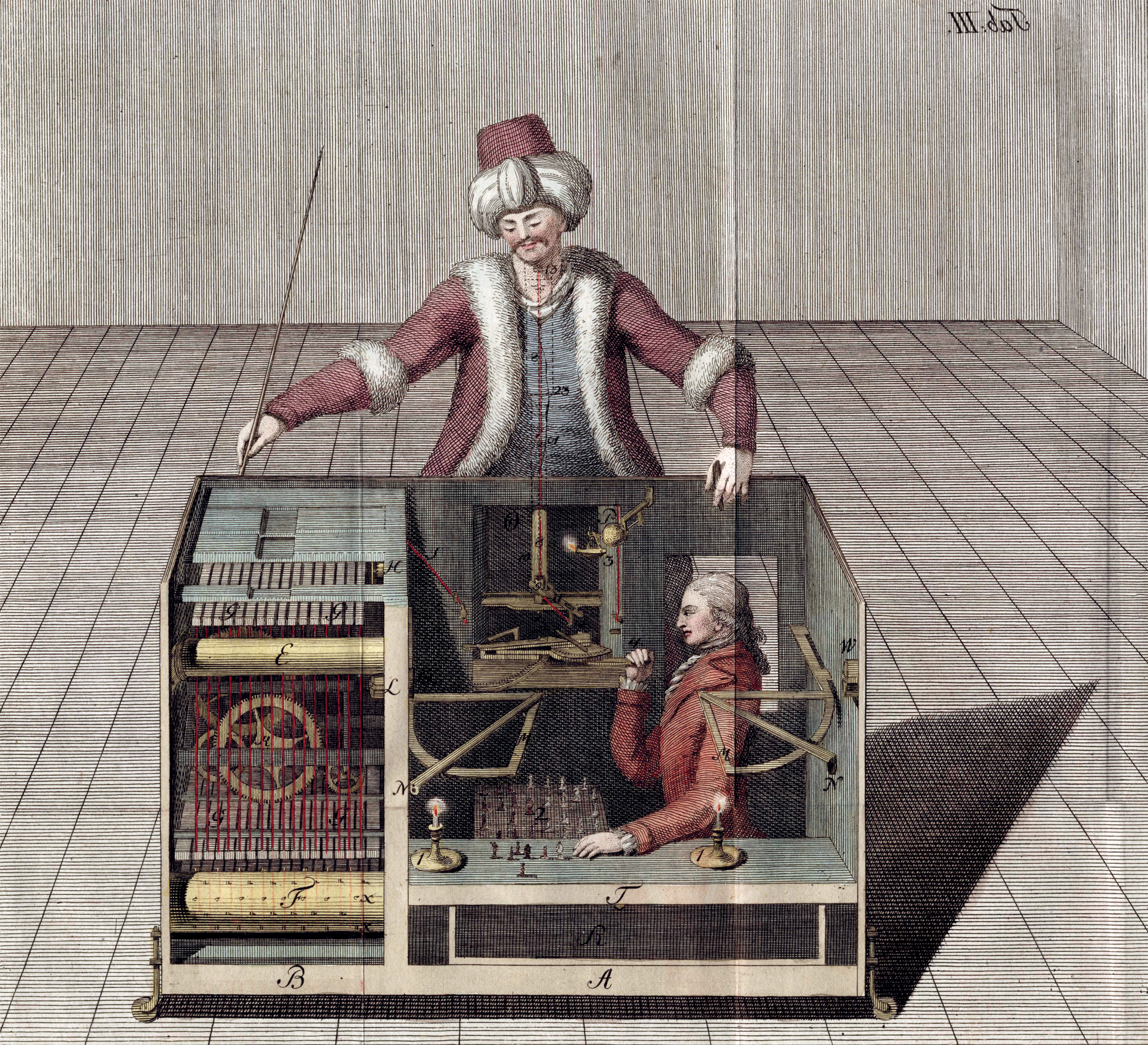
Mechanical Turk
Created in the late 18th century by Wolfgang von Kempelen, the Mechanical Turk was a world-famous chess-playing automaton. Though presented as a machine capable of independent thought, it was a masterful illusion: a human chess master was hidden inside the intricate cabinet, secretly directing the Turk’s moves to defeat challengers across Europe and America.

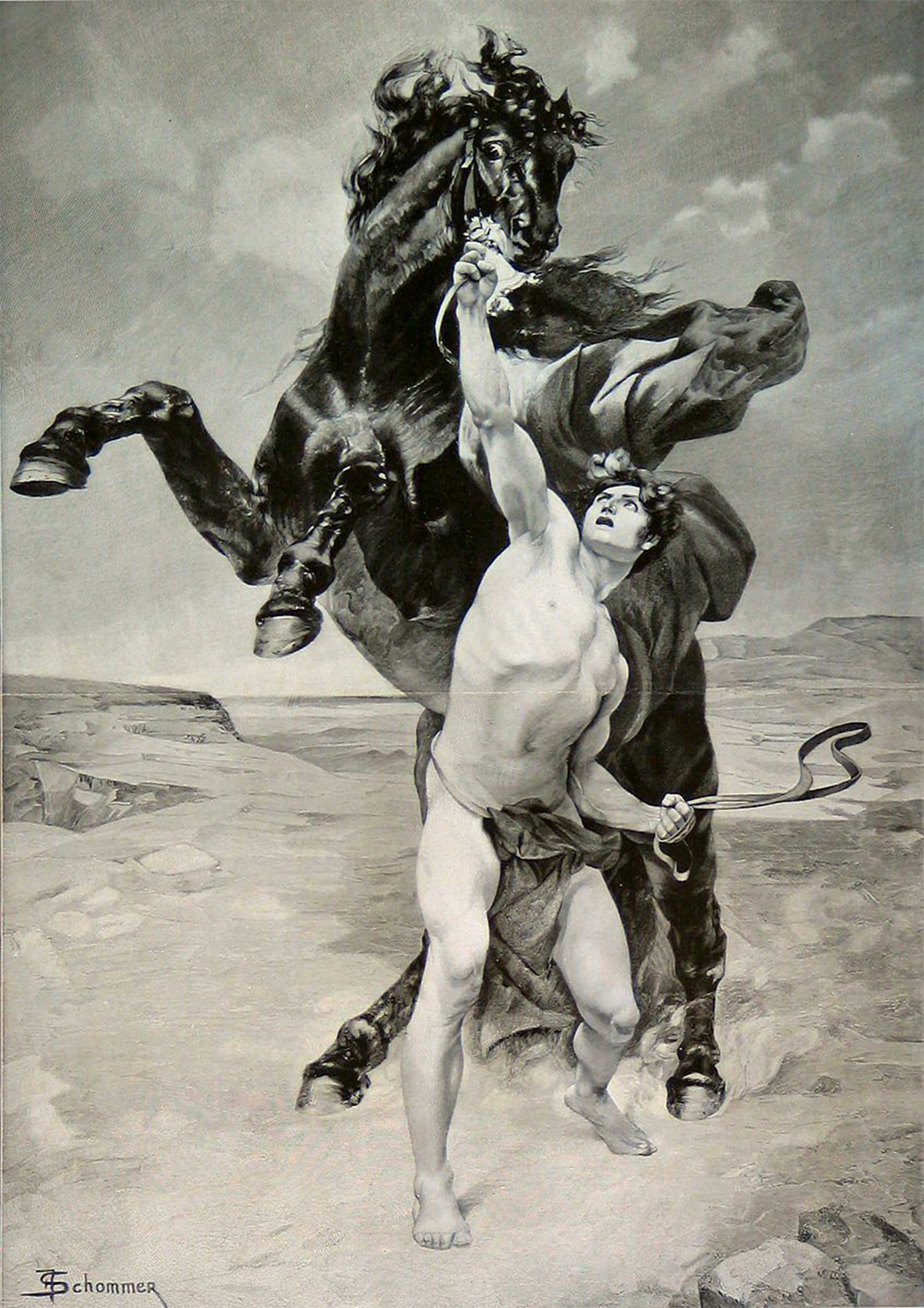
Creation Date: 355 BC – 326 BC
Region: Macedonia
Description: Bucephalus was the famous warhorse of Alexander the Great and played a vital role in Alexander’s conquests. Bucephalus symbolizes strength, courage, and his deep bond with Alexander. This visual emphasizes the historical and cultural importance of Alexander the Great and Bucephalus.
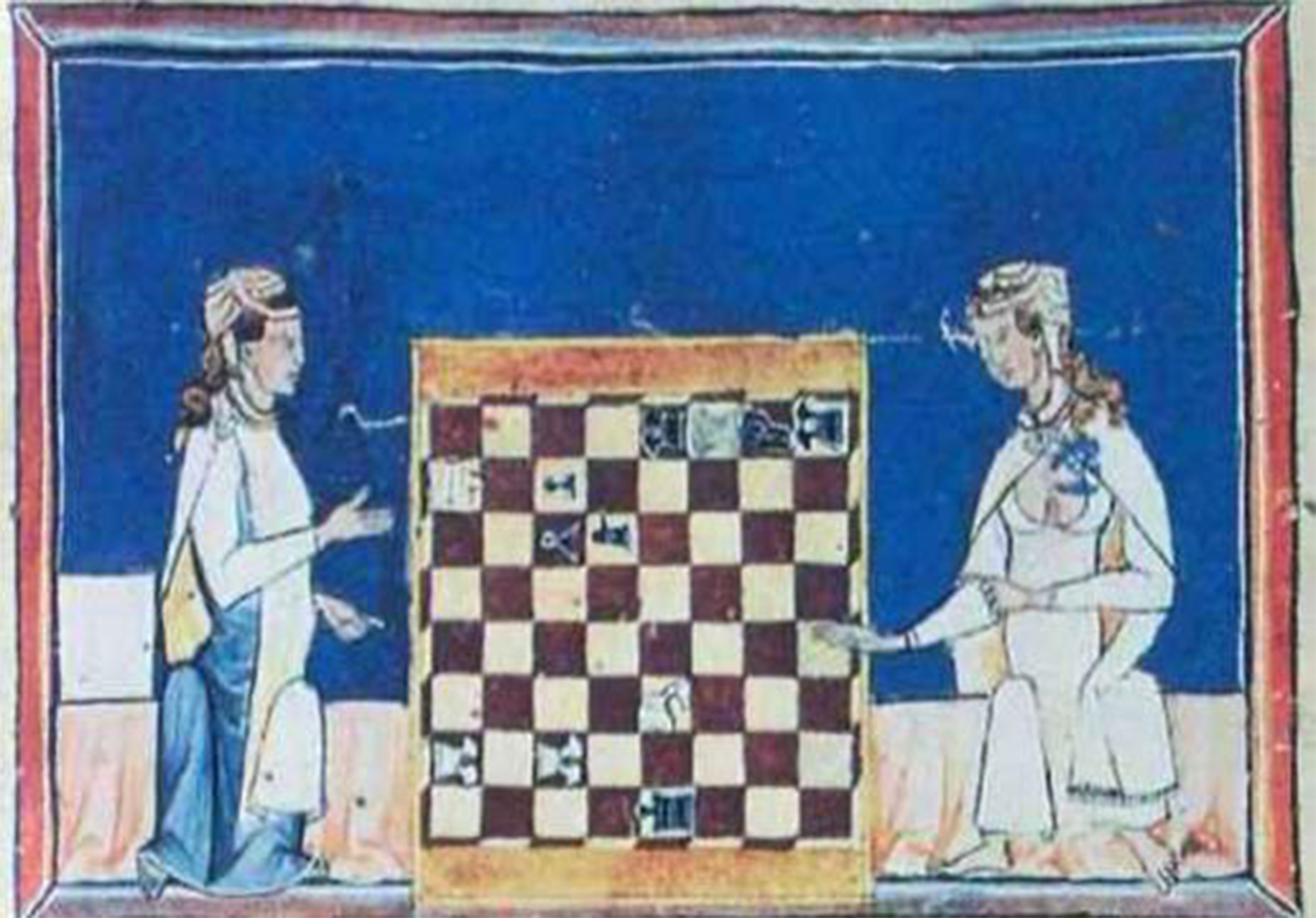
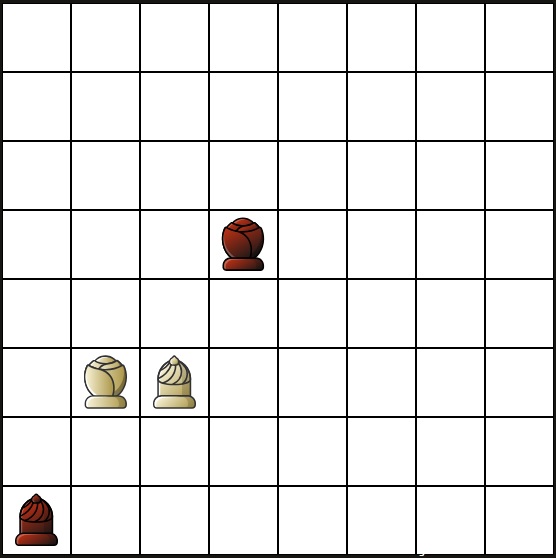
Work Name: Dilaram Mate Position
Description: The Dilaram Mate is an elegant and strategic checkmate tactic used in chess. This tactic involves trapping the opponent’s king with two bishops (formerly “alfils” in some contexts). It takes its name from a character named Dilaram, whose story is as old and mystical as the tactic itself. This maneuver showcases the deep strategic structure and elegance of the game, while offering players the opportunity to use their intelligence and creativity.
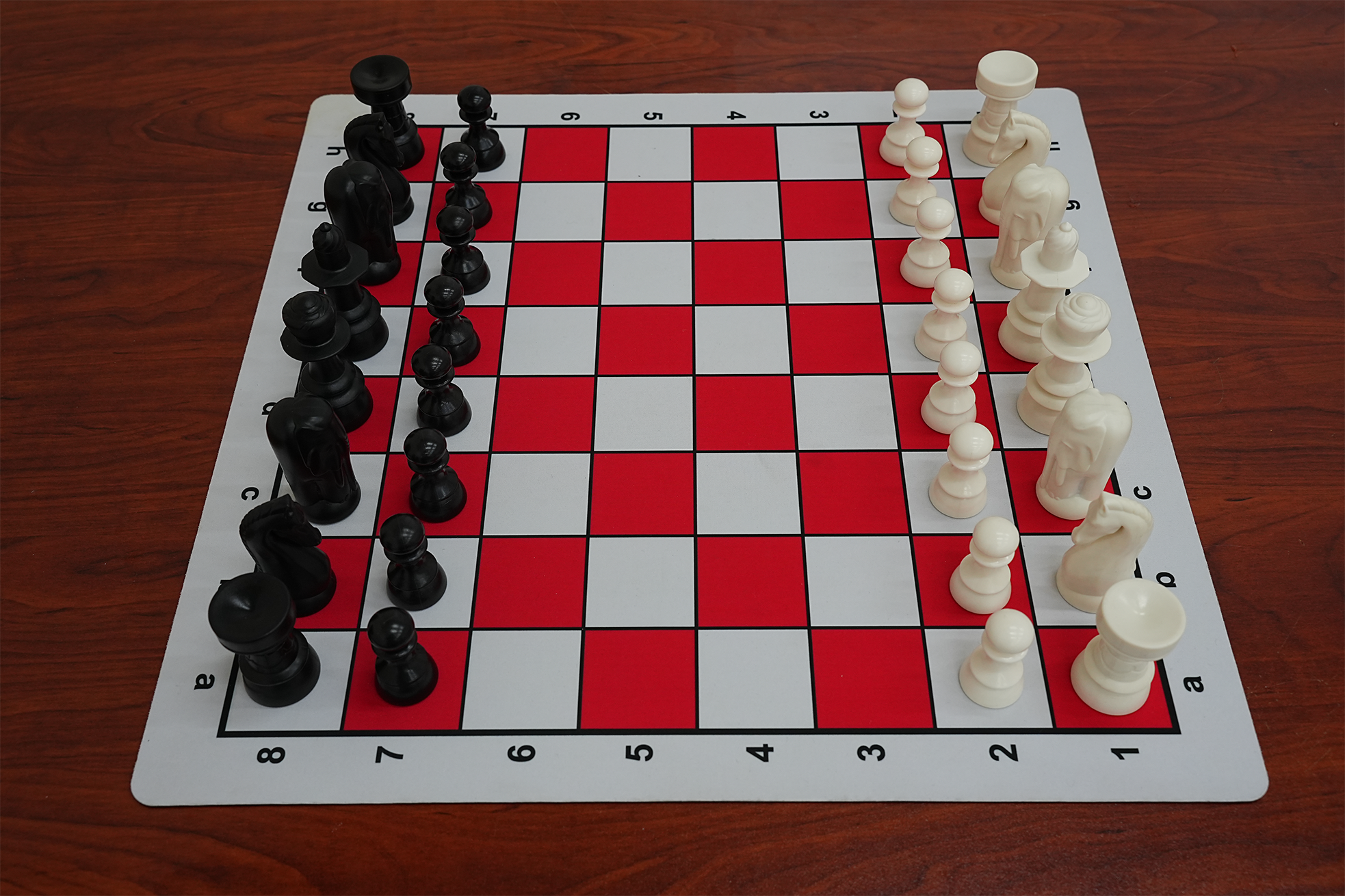
Şahi chess set incorportes motifs from chess terminology across different languages into the design of each distinct chess piece. Pieces designs are also inspired by historical figures and cultural artifacts that relate to chess and historical chess sets.
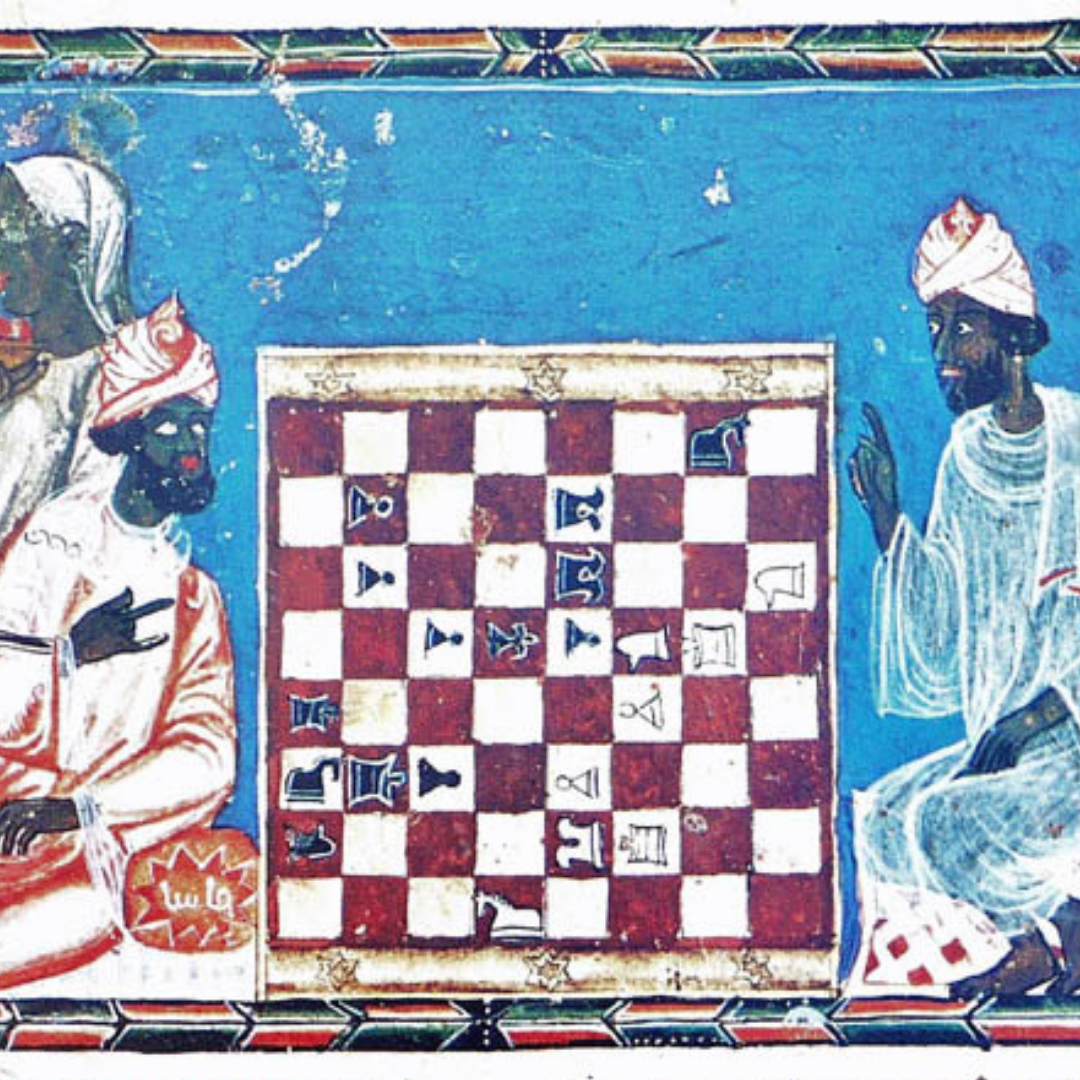
Commissioned by King Alfonso X of Castile in the 13th century, the Libro de los Juegos is a work dedicated to the popular games of the period. The book includes the rules and strategies of chess, dice, and board games. The work highlights the importance of games in social and cultural life in Medieval Europe.
The “Wheat and Chessboard Problem” is based on the idea of placing twice as much wheat on each square of a chessboard as on the previous square. This problem concretely demonstrates the concepts of geometric progression and exponential growth. When the 64th square is reached, the initial single grain of wheat reaches 18,446,744,073,709,551,615 grains.
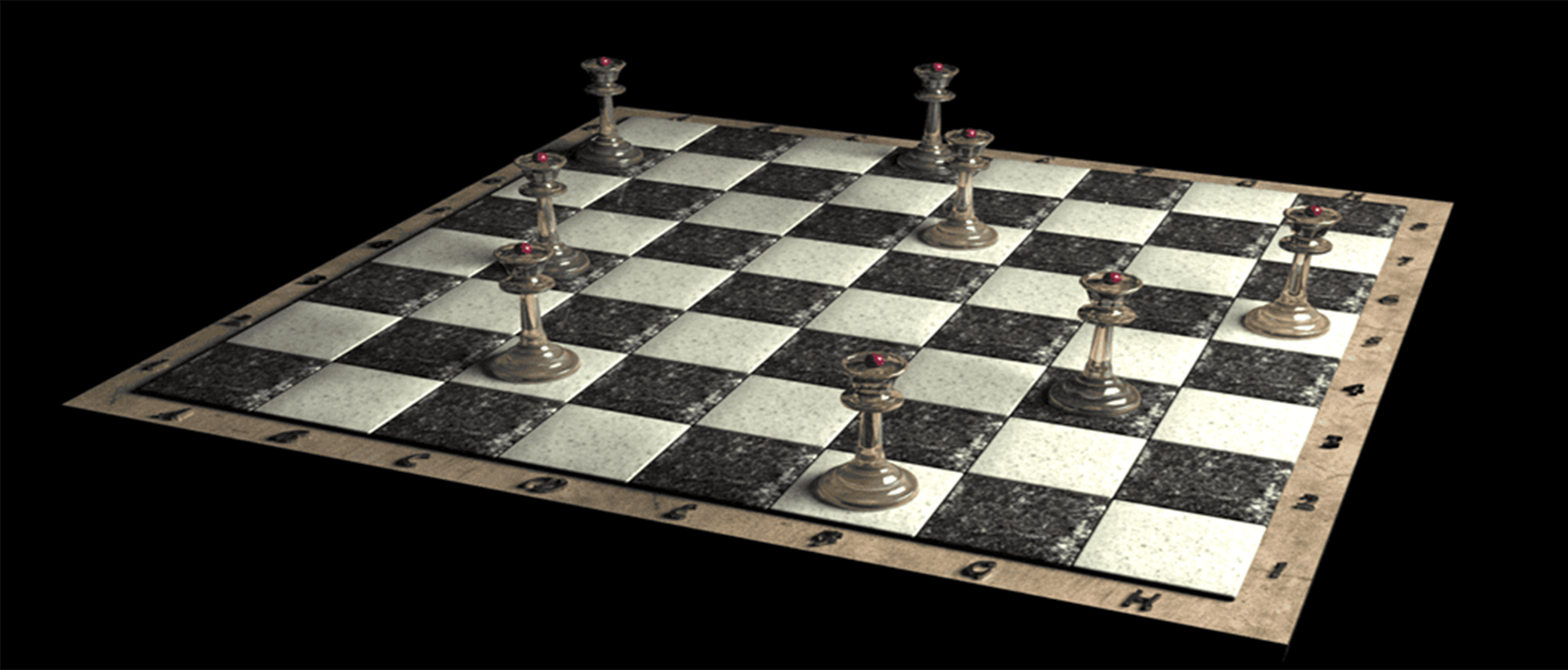
The puzzle named As-Suli’s Diamond, which remained unsolved for 1,000 years, was included in the world’s first chess strategy book, Kitab-ash Shatranj.
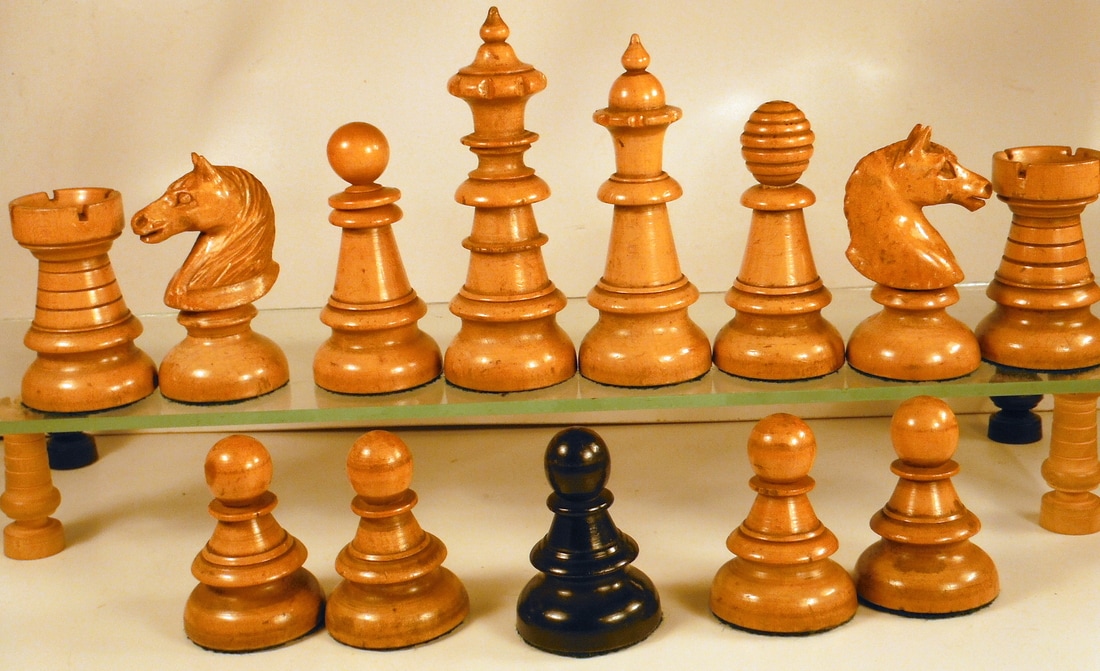
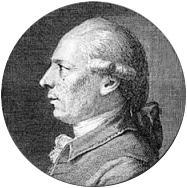
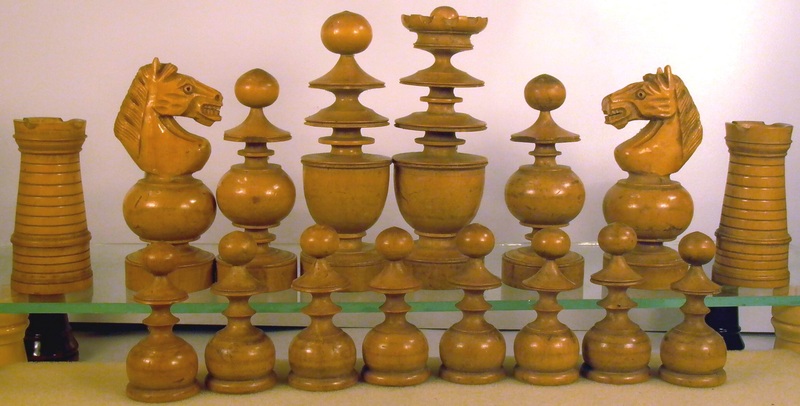
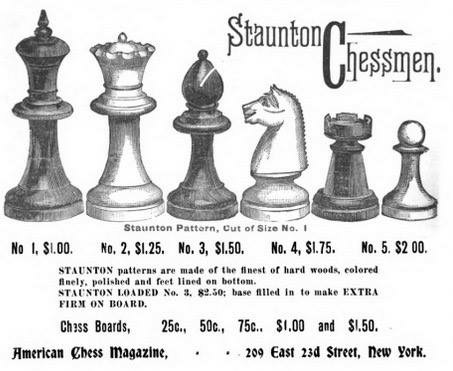
This is the chess set played by masters such as Philidor, Paul Morphy, and Napoleon. Like the Austrian café set, it is one of the first café chess sets in Europe and was used by the strongest players.
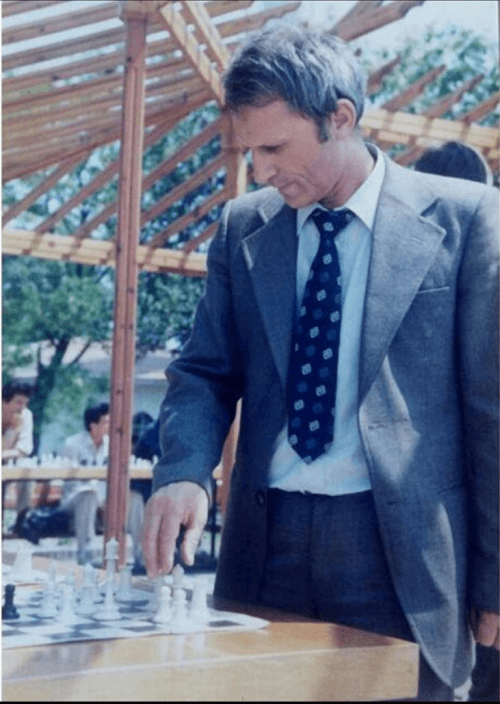
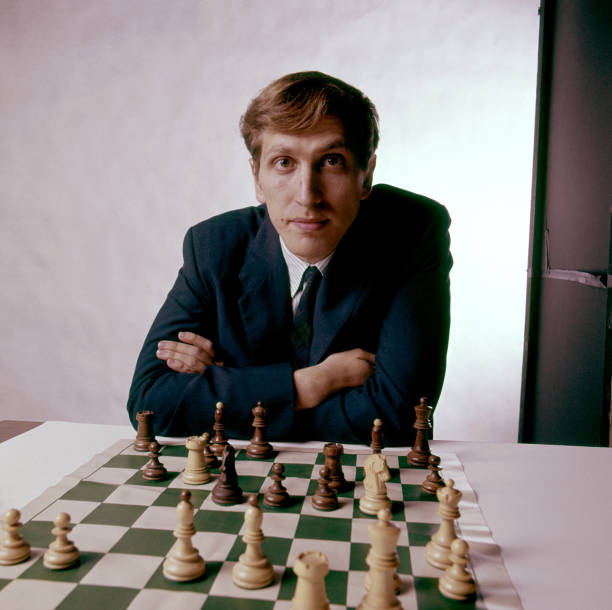
Specially designed for the 9th Chess Olympiad held in Dubrovnik in 1950, this set is known for its elegant and attractive design. It was the favorite chess set of the American world champion Bobby Fischer. The details and craftsmanship of each piece reflect the artisanal tradition of the period. The set demonstrates the international importance and cultural interaction of chess.
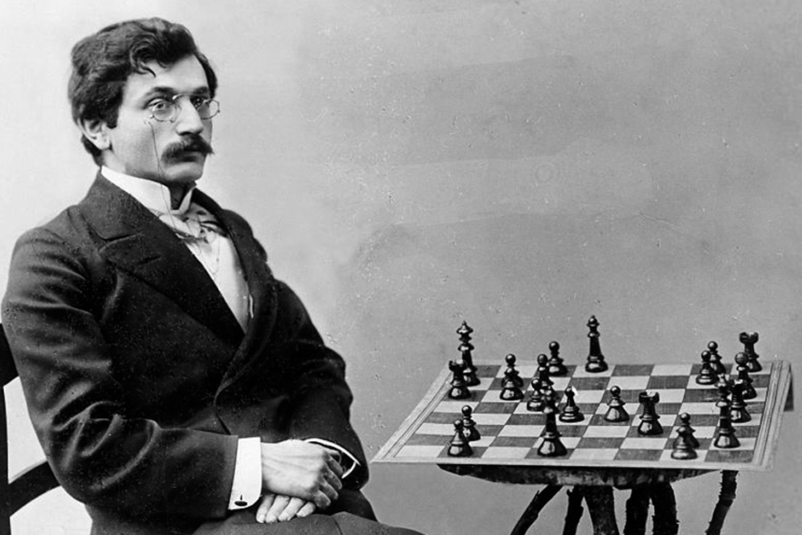
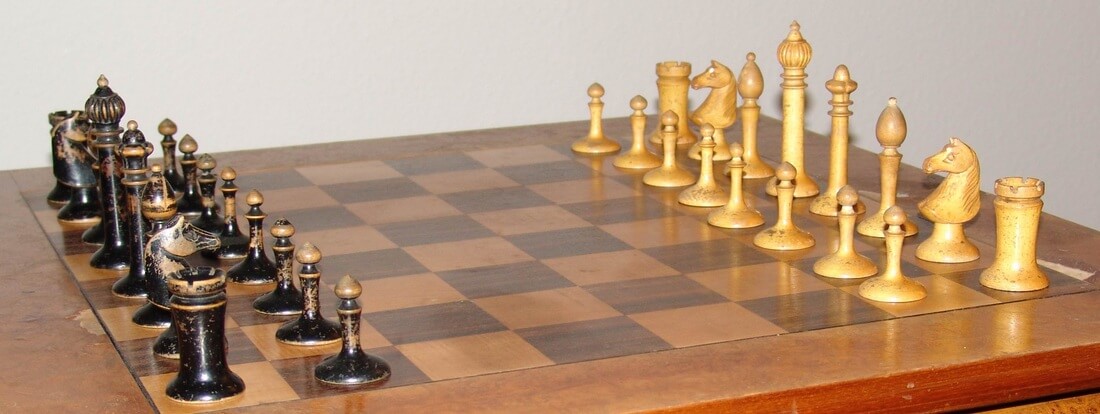
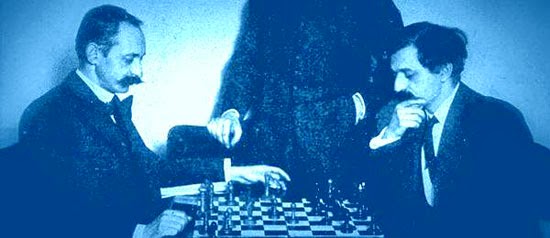
1910 Lasker-Schlecter World Championship Chess Set
Georg Marco, organizer of the Wiener Schachclub, ordered a special chess table with fine chessmen from a reputable joinery and turnery. This set was used in the world championship matches.
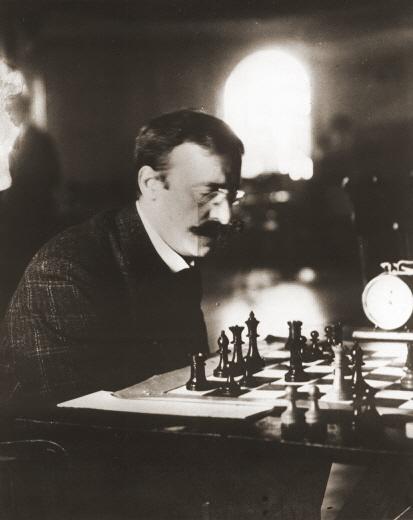
It was used for the first time at the Cambridge Springs championship held in the USA in 1904. Due to the influence of the large number of European Jewish chess players participating in the tournament, the cross on top of the Staunton model set was replaced with a pointed helmet. The set demonstrates the international importance and cultural interaction of chess.
From the 1950s onwards, chess gained importance as a sport integrated into the education system and popularized among youth. This set was designed in Leningrad and was used in the 1961 Soviet Union Championship in Baku.
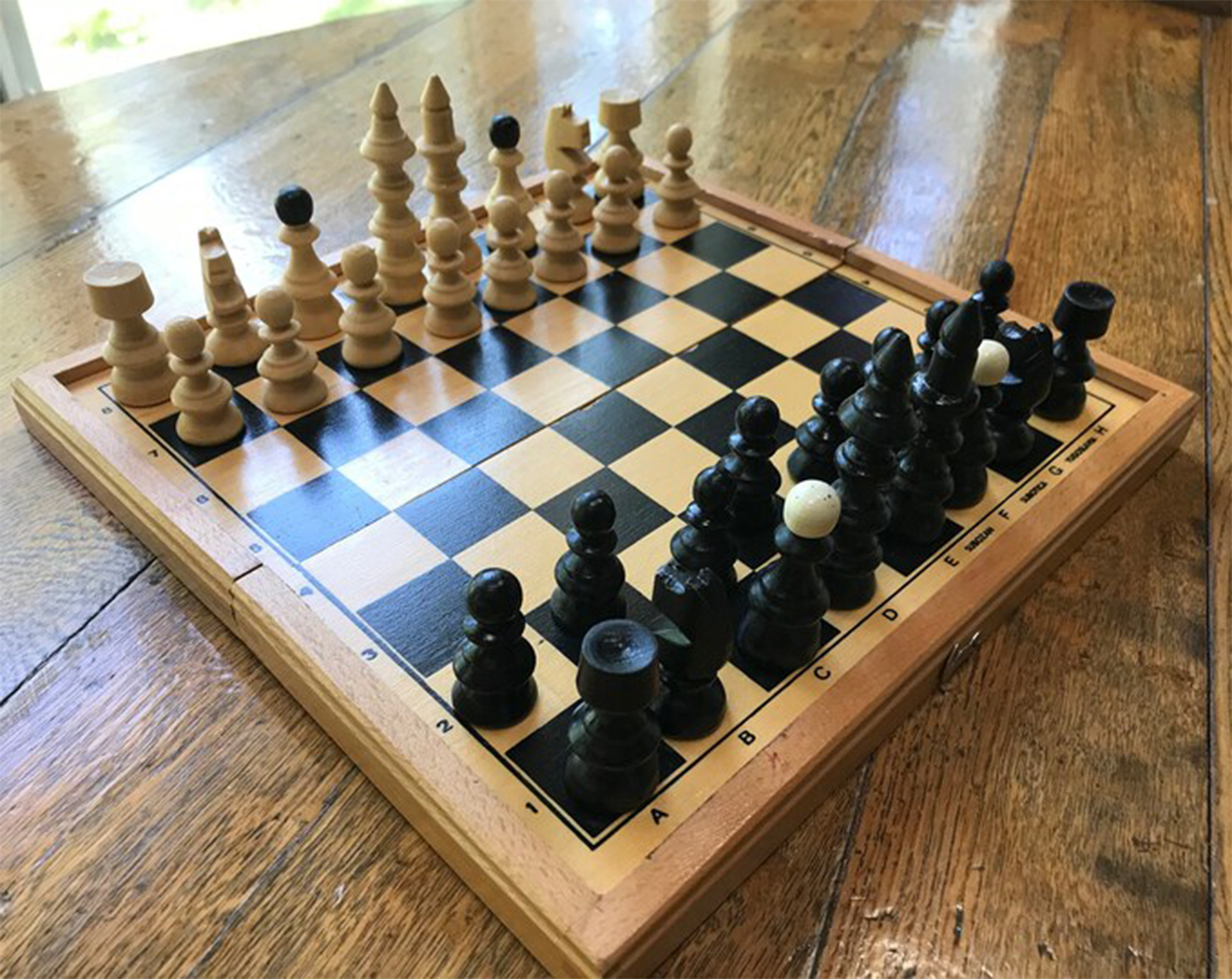
Bringing together high-quality craftsmanship and striking design, the ‘Vintage Subozan Subotica Wooden Chess Set’ was produced in Subotica (Serbia), near Mohac and the Hungarian border. The pieces were shaped using hand-carving techniques while preserving the natural texture of the wood. The set combines both the practical and aesthetic aspects of the game of chess.
Additional Caption: This is a Yugoslav-origin set from which Turkish Champion Tamer Karatekin learned chess from his grandfather, Mücahit Korça, one of the first Yugoslav-Turkish and Albanian-Turkish dictionary writers in the Balkans.
Cankurtaran, Caferiye Medresesi Sok. No:36, 34122 Fatih / İstanbul – Türkiye
If you would like to display our exhibition at your preferred venue or school, please reach out to us. For other inquiries, you can contact us through www.shatranj.international