
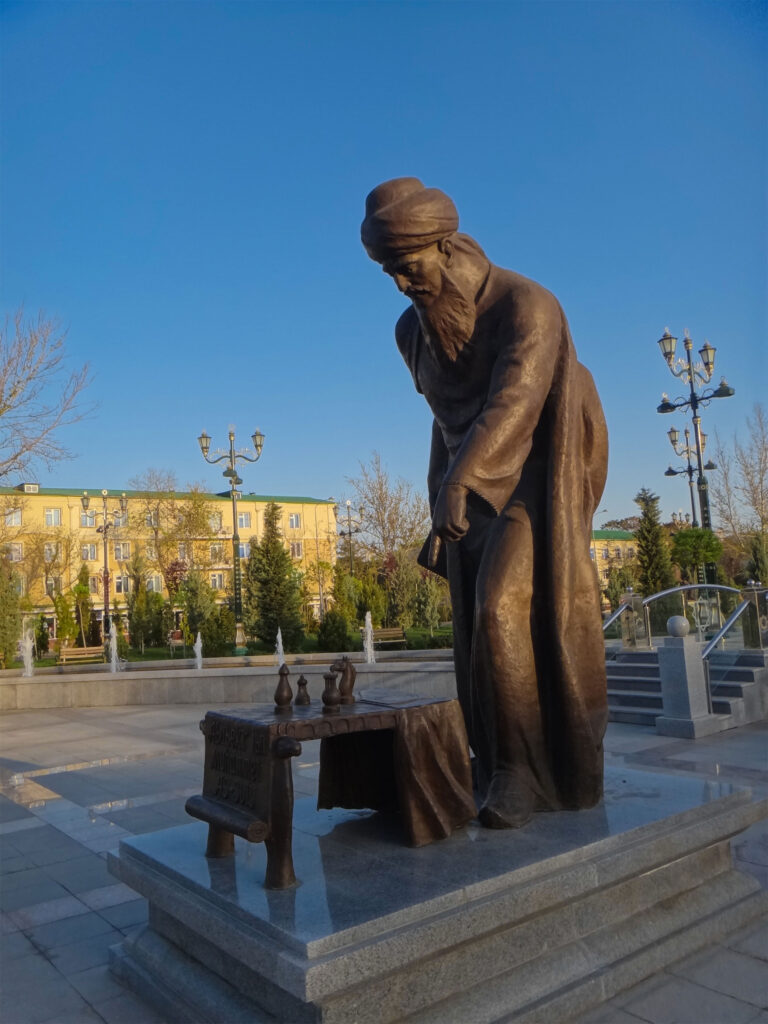
고르가나이트 귀족의 지적 유산
알술리는 단순히 당대 최고의 체스 고수일 뿐만 아니라 압바스 칼리프의 “나딤”(궁정 동반자)이자 궁전 사학자, 재치 있는 시인이기도 했습니다. 서기 870년경 고르간에서 태어난 그의 혈통은 그의 할아버지인 투르크 왕자 술 테킨이 한때 통치했던 데히스탄 대초원의 요새화된 술 요새로 거슬러 올라갑니다. 이 고귀한 유산은 오늘날 투르크메니스탄 아시가바트에 있는 독립 기념비에 동상으로 기념되어 있습니다.
체스에서 가장 높은 계급인 “알리야'라는 칭호를 얻은 알술리는 체스를 체계적이고 과학적인 구조로 변화시켰습니다. 그의 중요한 저서인 ”키타브 알 샤트란즈'에서 그는 개국 포메이션(타비야)과 엔드게임 전략(만수바)을 체계적으로 문서화한 최초의 인물입니다. 그가 확립한 이론적 틀은 현대 체스 규칙이 등장할 때까지 수 세기 동안 숙달을 위한 결정적인 기준이자 주요 참고 자료로 남아있었습니다.
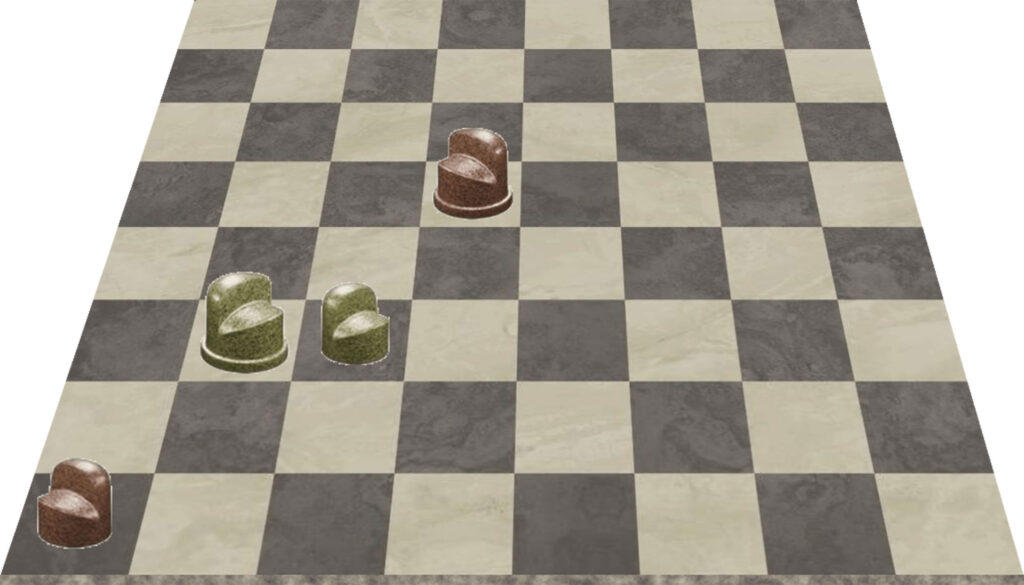
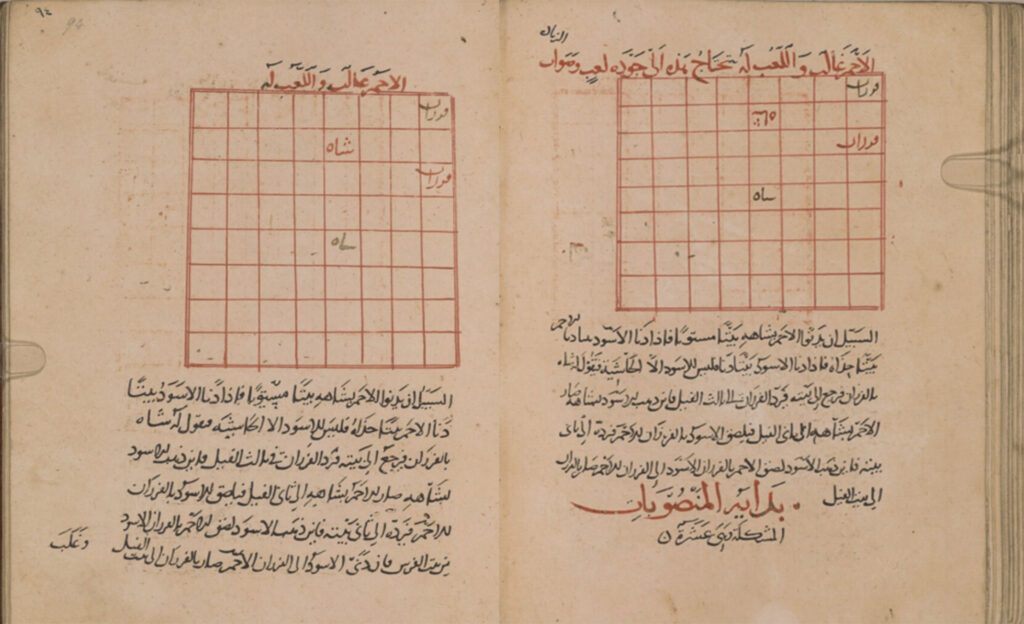
10세기에 고르가니트파의 대가 아부 바크르 빈 야히야 알-술리가 고안한 “다이아몬드”는 체스 역사상 가장 전설적이며 가장 많이 논의된 수수께끼입니다. 겉보기에는 단순해 보이지만, 양측 모두 왕과 퀸의 역사적 전신인 “페르즈’만 등장하는 이 엔드게임은 무려 천 년 동안 체스계의 ”해결 불가능한’ 에베레스트로 남아 있었습니다. 알-술리가 만들어낸 이 뛰어난 작품은 역사적 체스의 한계를 뛰어넘는 최고의 전술적 예술입니다.
이 수수께끼에 관한 가장 중요한 기록은 다음 사본에서 찾을 수 있는데, 『키타브 아슈-샤트란지』 이스탄불의 술레이마니예 도서관에 소장되어 있다. 이 필사본의 페이지들은 온전하지만, 원본에서 특정 위치와 수순이 잘못되거나 불완전하게 전사된 것이 분명하다. 그러나 이러한 역사적인 필사 오류에도 불구하고, 본문에 제시된 부분적인 해법은 20세기에 유리 아베르바흐 그랜드마스터가 수행한 심도 있는 분석 연구와 놀라울 정도로 일치한다. 알-술리는 다음과 같은 도전적인 주장을 통해 자신의 독보적인 기량을 영원히 남겼다:
“내가 가르친 자들 외에는 아무도 그것을 풀 수 없다.”
천 년 동안 인류에게 경외감을 불러일으켰던 “다이아몬드’가 이제 디지털 시대의 힘을 통해 그 전모가 밝혀졌습니다. Shatranj.ai 프로젝트의 일환으로, 동적 프로그래밍 기법, 현대적인 알고리즘, 해시 테이블 기반 탐색 기법을 활용하여 이 독창적인 구성의 모든 변형을 수학적으로 탐구하고 검증할 수 있게 되었습니다. 술레이마니예 필사본의 필적에서 현대 코드에 이르기까지 이어지는 이 여정은 알-술리의 시대를 초월한 전략적 천재성을 최종적으로 입증하는 것이며, 한때 스승이 엄선한 제자들에게만 전해지던 지식이 이제는 순수한 논리의 언어를 통해 이해될 수 있음을 보여줍니다.
이 전시 포스터를 넘어 더 깊이 알아보고 싶은 독자들을 위해, Shatranj.ai는 이제 ‘술리의 다이아몬드’에 관한 전용 연구 및 교육 페이지를 제공하고 있습니다.
Suli의 다이아몬드 페이지 URL:
https://shatranj.ai/suli-diamond/
‘Suli’s Diamond’ 전용 페이지 열기
이 페이지에서는 체스 역사상 가장 유명한 엔드게임 연구 중 하나에 대한 역사적 원고 배경, 원본 샤트란지 배치, 시각적 도표, 동적 계획법 분석, C 프로그래밍 코드 해설, 해시 테이블을 활용한 알파-베타 탐색, 그리고 현대적인 컴퓨터 지원 분석 결과를 종합적으로 다루고 있습니다.
‘술리의 다이아몬드’ 전용 페이지에서는 현대적인 계산 기법을 통해 이 포지션을 어떻게 해결할 수 있는지 설명합니다. 이 페이지에서는 C 프로그래밍 언어로 구현된 동적 계획법 접근 방식을 소개하며, 샤트란지 ‘킹 앤 페르즈’ 포지션에 대한 엔드게임 테이블베이스를 생성하는 방법을 보여주는 코드 해설을 제공합니다. 이 테이블베이스 기반 방법은 관련 엔드게임 공간 내의 모든 합법적인 포지션을 체계적으로 평가할 수 있는 방법을 보여줌으로써, 고대의 전략적 수수께끼를 정밀한 계산 결과로 전환합니다.
학생, 교사, 그리고 기술에 관심이 있는 독자들도 프로젝트 LMS를 통해 Shatranj.ai 학습 자료를 이용할 수 있습니다.
Shatranj.ai LMS URL:
https://lms.shatranj.ai
Shatranj.ai LMS를 열어보세요
특히, 제16강에서는 ‘술리의 다이아몬드’와 관련된 코드 예제 및 설명을 다루며, 여기에는 동적 프로그래밍의 기반이 되는 알고리즘적 사고, 엔드게임 테이블베이스 생성, 그리고 역사적 샤트란지 엔드게임에 대한 컴퓨터 검증 등이 포함됩니다.
또한 이 페이지는 이 수학적 해법을 해시 테이블(전치 테이블이라고도 함)을 사용하는 알파-베타 AI 엔진 접근법과 연결하여, 중요한 변형을 효율적으로 탐색하고 검증하는 방법을 설명합니다. 이러한 방식으로, ‘술리의 다이아몬드’ 문제는 역사적인 체스 문제 구성의 걸작일 뿐만 아니라, 인공지능, 게임 트리 탐색, 동적 계획법, 역추적 분석, 그리고 계산적 사고를 위한 강력한 교육적 사례가 됩니다.
이 프로젝트에는 또한 다음과 같은 제목의 다큐멘터리 강연도 포함되어 있습니다. ‘술리의 다이아몬드’: 역사상 가장 신비롭고 난해한 체스 퍼즐.
다큐멘터리 강연 URL:
https://www.youtube.com/watch?v=hh74M6DSLSs
YouTube에서 ‘술리의 다이아몬드’ 다큐멘터리 강연을 시청하세요
이 다큐멘터리 강연은 Shatranj.ai 연구를 통해 발견된, 더욱 강력한 새로운 ‘술리의 다이아몬드’ 변형 계열의 발견 과정을 다룹니다. 또한 이 강연은 유리 아베르바흐 그랜드마스터가 제시하고 이후 존 비즐리가 개선한 고전적인 ‘술리의 다이아몬드’에 대한 수순별 해법을 제시함으로써, 시청자들이 이 포지션을 인간의 전략적 걸작이자 계산적 문제로 모두 이해할 수 있도록 돕습니다.
인간 학습자들에게 이 다큐멘터리 강연은 컴퓨터로 검증된 해법을 전략적 아이디어로 풀어줍니다. 즉, 대항, 대기 수, 이동 제한, 츠그쯔앙과 유사한 압박, 그리고 페르츠의 기하학적 구조 등이 바로 그것입니다. 이러한 설명을 통해 독자들은 비록 말 4개만 등장하는 포지션임에도 불구하고, 왜 이 포지션이 인간의 직관으로는 해결하기 어려운지 이해할 수 있게 됩니다.
Shatranj.ai 연구 또한 이 프로젝트에서는 ‘술리의 다이아몬드’와 관련된 더 난이도 높은 변형 문제들을 소개하며, 이 프로젝트를 통해 발견된 다이아몬드 계열 문제 중 가장 어려운 것으로 알려진 문제들과 그 검증된 해법을 함께 제시합니다. 이러한 현대적 변형 문제들은 알-술리의 독창적인 아이디어가 단순한 역사적 호기심의 대상이 아니라, 더 심오한 전략적 엔드게임 문제 계열로 이어지는 관문이었음을 보여줍니다. 이러한 방식으로, ‘술리의 다이아몬드’는 필사본 문화, 체스 역사, 인공 지능, C 프로그래밍, 테이블베이스 생성, 교육용 LMS 자료, 다큐멘터리 스토리텔링, 그리고 현대 알고리즘 연구 사이의 가교 역할을 하게 됩니다.