
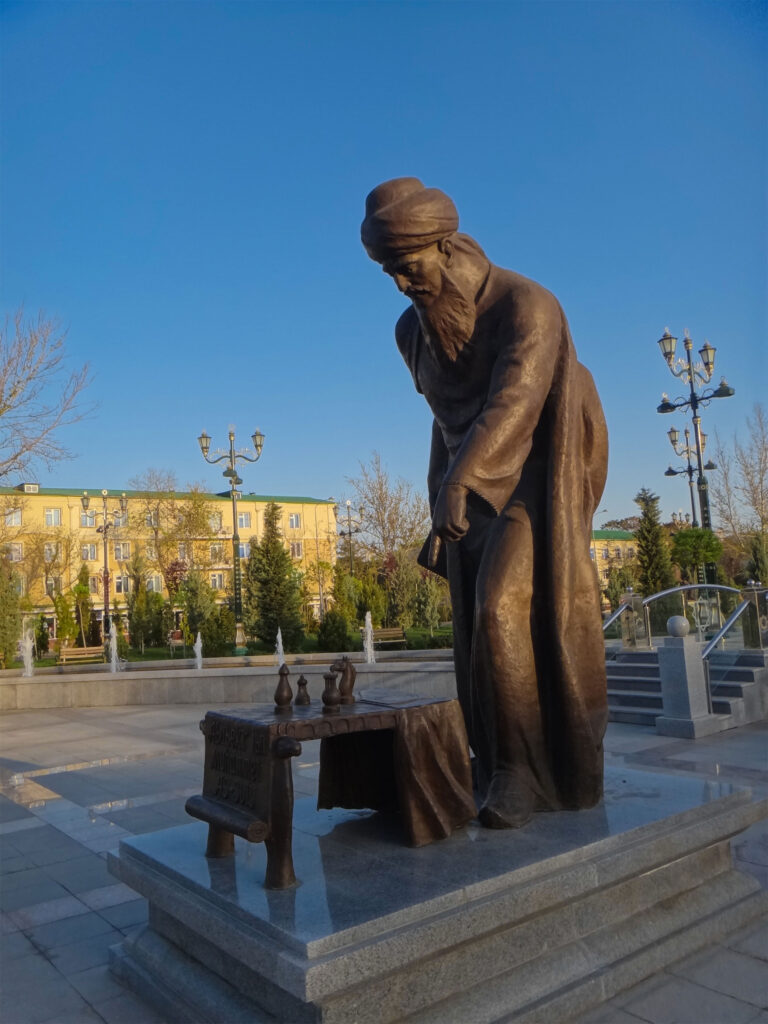
Bir Gorganit Aristokratının Entelektüel Mirası
Al-Suli sadece çağının önde gelen satranç ustası değildi; Abbasi Halifelerinin “nadim ”i (saray arkadaşı), saray tarihçisi ve keskin zekâlı bir şairdi. MS 870 civarında Gorgan'da doğdu, soyu, dedesi Türk prensi Sul tekin'in bir zamanlar hüküm sürdüğü Dehistan bozkırlarındaki müstahkem Sul Kalesi'ne kadar uzanıyordu. Bu asil miras bugün Türkmenistan'ın başkenti Aşkabat'taki Bağımsızlık Anıtı'nda bir heykelle anılmaktadır.
Satrançta ulaşılabilecek en yüksek unvan olan “Aliya” rütbesine sahip olan Al-Suli, oyunu yapılandırılmış bilimsel bir mimariye dönüştürdü. Çığır açan eseri Kitab al-Shatranj'da, açılış formasyonlarını (tabiyas) ve oyun sonu stratejilerini (mansubas) sistematik olarak belgeleyen ilk kişi oldu. Oluşturduğu teorik çerçeve, modern satranç kurallarının ortaya çıkışına kadar yüzyıllar boyunca ustalık için kesin bir ölçüt ve birincil referans kaynağı olarak kaldı.
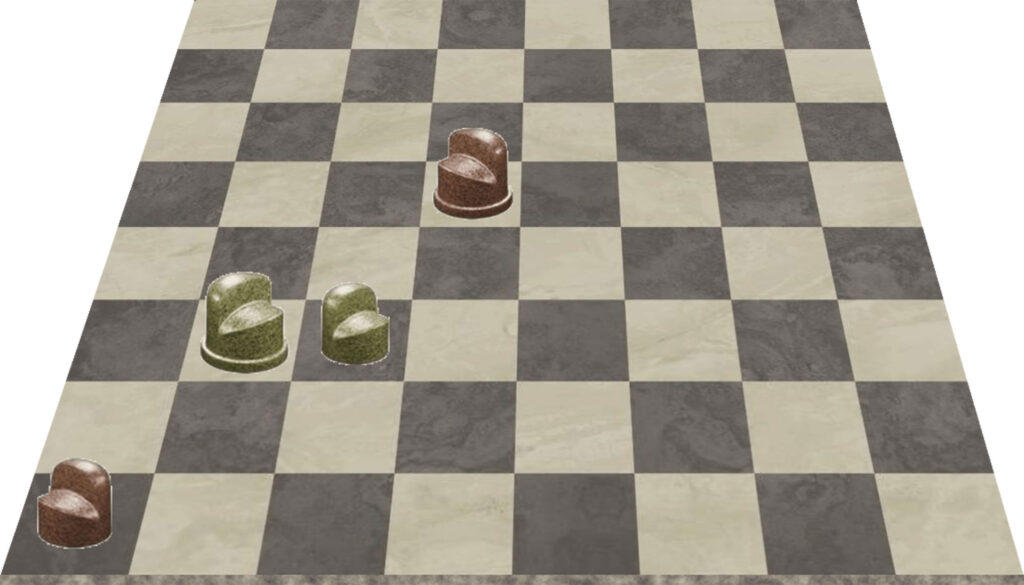
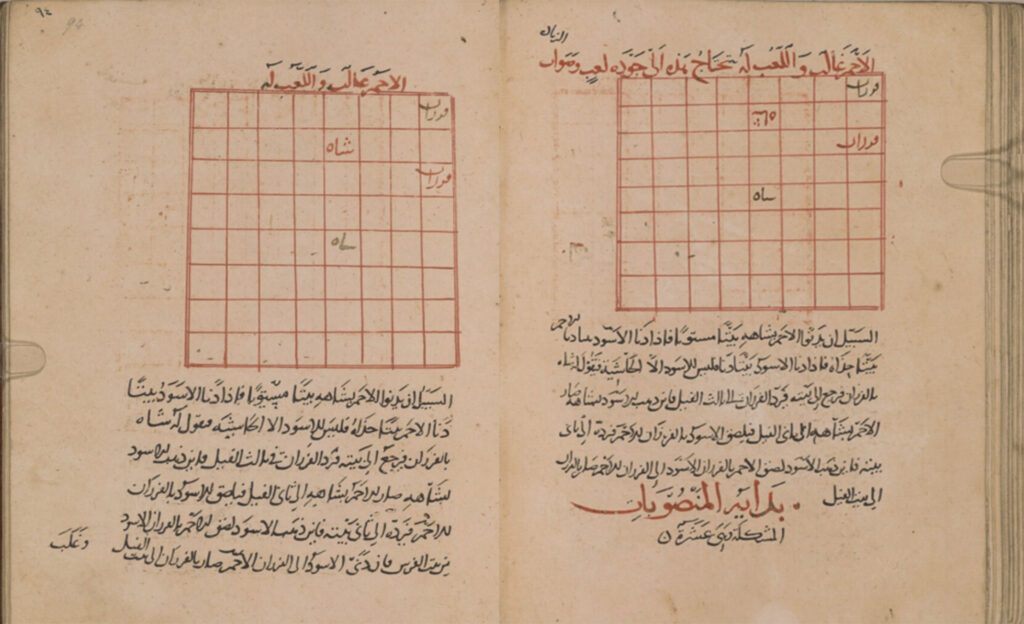
10. yüzyılda Gorganite ustası Ebu Bekir bin Yahya el-Suli tarafından bestelenen “Elmas”, satranç tarihinin en efsanevi ve en çok tartışılan bilmecesidir. Dışarıdan bakıldığında basit görünse de, her iki tarafta da sadece bir Şah ve Kraliçe’nin tarihsel öncülü olan Ferz’in yer aldığı bir oyun sonu olan bu kompozisyon, tam bin yıl boyunca satranç dünyasının “çözülemez” Everest’i olarak kaldı. El-Suli’nin bu muhteşem eseri, tarihi satrancın sınırlarını zorlayan üstün bir manevra sanatıdır.
Bu gizemin en önemli kaydı, şu eserin bir kopyasında yer almaktadır: Kitab Ash-Shatranj İstanbul’daki Süleymaniye Kütüphanesi’nde muhafaza edilmektedir. Bu el yazmasının sayfaları sağlam olmakla birlikte, bazı pozisyon ve hamlelerin orijinal kaynaktan hatalı ya da eksik bir şekilde kopyalandığı açıktır. Yine de, bu tarihsel yazım hatalarına rağmen, metinde sunulan kısmi çözüm, 20. yüzyılda Büyük Usta Yuri Averbakh tarafından yürütülen derinlemesine analitik çalışmayla dikkat çekici bir şekilde örtüşmektedir. Al-Suli, ustalığının benzersizliğini şu meydan okuyan iddiayla ölümsüzleştirmiştir:
“Benim talimat verdiğim kişiler dışında kimse bunu çözemez.”
Bin yıldır insan zihnini hayran bırakan “Elmas”, artık dijital çağın gücüyle tam anlamıyla aydınlatılmıştır. Shatranj.ai projesi kapsamında, dinamik programlama yöntemleri, modern algoritmalar ve hash tablosu tabanlı arama teknikleri kullanılarak, bu dahice kompozisyonun her varyasyonu matematiksel olarak incelenip doğrulanabiliyor. Süleymaniye el yazmasının satırlarından modern kodlara uzanan bu yolculuk, Al-Suli’nin zamansız stratejik dehasının nihai kanıtıdır ve bir zamanlar ustanın seçilmiş öğrencilerine mahsus olan bilginin artık saf mantığın diliyle anlaşılabileceğini ortaya koymaktadır.
Bu sergi afişinin ötesine geçmek isteyen okuyucular için, Shatranj.ai artık Suli’nin Elması’na özel bir araştırma ve eğitim sayfası sunuyor.
Suli’nin Diamond sayfasının URL’si:
https://shatranj.ai/suli-diamond/
Suli’s Diamond’a ait sayfayı açın
Bu sayfa, satranç tarihinin en ünlü oyun sonu çalışmalarından birine ilişkin tarihsel el yazması kaynaklarını, orijinal şatranj pozisyonunu, görsel şemaları, dinamik programlama analizini, C programlama kodu açıklamalarını, karma tablolarla alfa-beta aramasını ve modern bilgisayar destekli analizi bir araya getirmektedir.
Suli’s Diamond’a ayrılmış sayfada, bu pozisyonun modern hesaplama yöntemleriyle nasıl çözülebileceği açıklanmaktadır. Sayfada, C programlama dilinde uygulanmış bir dinamik programlama yaklaşımı sunulmakta ve şatranj Kral ve Ferz pozisyonları için bir son oyun tablo tabanının nasıl oluşturulabileceğini gösteren kod açıklamaları yer almaktadır. Bu tablo tabanlı yöntem, ilgili son oyun alanındaki tüm geçerli pozisyonların sistematik olarak nasıl değerlendirilebileceğini göstererek, eski bir stratejik gizemi kesin bir hesaplama sonucuna dönüştürmektedir.
Öğrenciler, öğretmenler ve teknik konulara ilgi duyan okuyucular da proje öğrenme yönetim sistemi (LMS) aracılığıyla Shatranj.ai öğrenme materyallerine erişebilirler.
Shatranj.ai LMS URL'si:
https://lms.shatranj.ai
Shatranj.ai LMS'yi açın
Özellikle 16. Ders, dinamik programlamanın ardındaki algoritmik düşünce, oyun sonu tablo tabanı oluşturma ve tarihsel şatranj oyun sonlarının bilgisayar tarafından doğrulanması gibi konularla bağlantılı kod çözümlerini ve kod açıklamalarını sunmaktadır.
Bu sayfa ayrıca, kritik varyasyonları verimli bir şekilde aramak ve doğrulamak için, transpozisyon tabloları olarak da bilinen hash tablolarını kullanan bir alfa-beta yapay zeka motoru yaklaşımıyla bu matematiksel çözümü ilişkilendirir. Bu şekilde, Suli’nin Elması problemi sadece tarihsel satranç kompozisyonlarının bir başyapıtı olmakla kalmaz, aynı zamanda yapay zeka, oyun ağacı araması, dinamik programlama, geriye dönük analiz ve hesaplamalı düşünme için de güçlü bir eğitim örneği haline gelir.
Proje ayrıca şu başlıklı bir belgesel sunumu da içermektedir: Suli’nin Elması: Tüm zamanların en gizemli ve en zorlu satranç bulmacası.
Belgesel konferansın URL'si:
https://www.youtube.com/watch?v=hh74M6DSLSs
YouTube’da “Suli’s Diamond” belgesel sunumunu izleyin
Bu belgesel niteliğindeki konferans, Shatranj.ai araştırması kapsamında keşfedilen, daha dayanıklı yeni Suli’s Diamond varyantları ailesinin keşif öyküsünü anlatmaktadır. Ayrıca, Büyük Usta Yuri Averbakh tarafından ortaya konulan ve daha sonra John Beasley tarafından geliştirilen klasik Suli’s Diamond’ın hamle hamle çözümünü sunarak, izleyicilerin bu pozisyonu hem insan stratejisinin bir şaheseri hem de bir hesaplama problemi olarak anlamalarına yardımcı oluyor.
İnsan oyuncular için bu belgesel niteliğindeki ders, bilgisayar tarafından doğrulanmış çözümü stratejik fikirlere dönüştürür: karşı hamleler, bekleme hamleleri, hareket kısıtlılığı, zugzwang benzeri baskı ve Ferz’in geometrisi. Bu açıklama, okuyucuların, pozisyonda sadece dört taş bulunmasına rağmen, bu pozisyonun insan sezgisi için neden bu kadar zor olduğunu anlamalarına yardımcı olur.
Shatranj.ai araştırması Ayrıca, proje kapsamında keşfedilen, Suli’nin Elması’nın daha zorlu ilgili varyantlarını ve bunların doğrulanmış çözümlerini de sunmaktadır. Bu modern varyantlar, Al-Suli’nin orijinal fikrinin sadece tarihsel bir ilginçlik değil, aynı zamanda daha derin bir stratejik oyun sonu problemleri ailesine açılan bir kapı olduğunu göstermektedir. Bu şekilde, Suli’nin Elması el yazması kültürü, satranç tarihi, yapay zeka, C programlama dili, tablo tabanı oluşturma, eğitim amaçlı LMS kaynakları, belgesel anlatım ve modern algoritma çalışmaları arasında bir köprü görevi görüyor.