
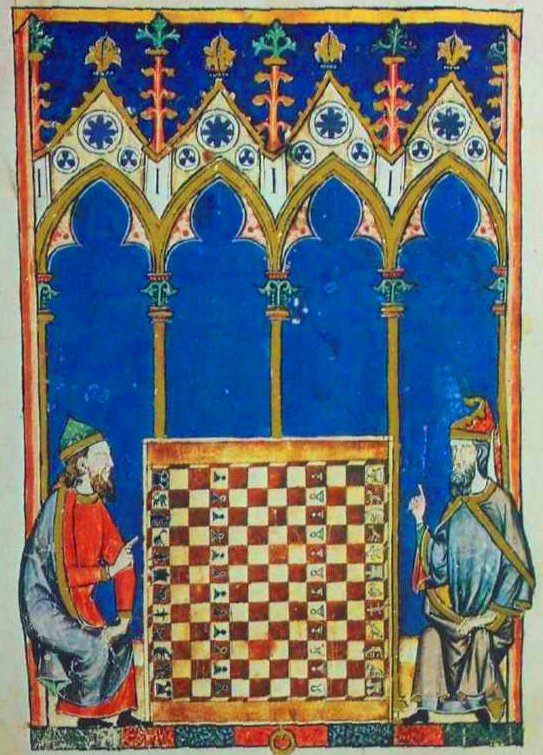
The difference between Acedrex and Ajedrez illustrates the phonetic evolution of the Spanish language as it sought to adapt the original Arabic name for the game:
Acedrex (The 13th Century): This is the primary spelling used in King Alfonso X’s 1283 treatise, Libro del Acedrex. At this time, the “c” (before “e”) and “x” were used to phonetically capture the “sh” sound inherited from the Arabic Shatranj.
Ajedrez (The 15th Century): As the language evolved, that “sh” sound shifted into the modern, guttural “j” (the jota). By the time Luis Ramírez de Lucena published his landmark work in 1497, the spelling had transitioned toward the modern form.
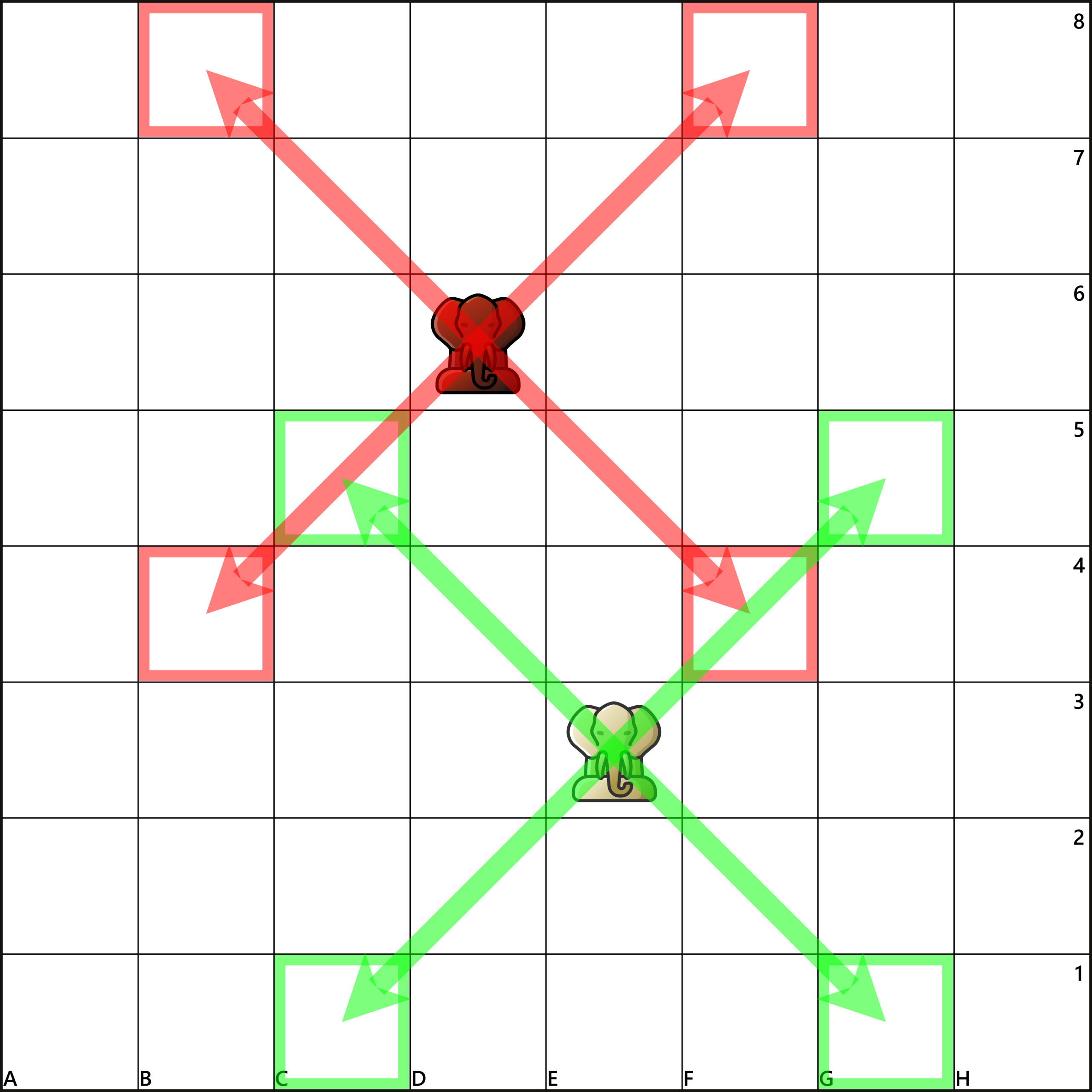
While the phonetic name was changing, the rules were undergoing a revolutionary expansion of power that completely altered the pace of play. This transition is best defined by the two systems described in Lucena’s 1497 work:
El Viejo (The Old Way): This represents the traditional medieval rules of Acedrex, where the game was a slow, positional struggle. In this system, the piece we now call the Dama was the Alferza (the King’s advisor), which was restricted to moving only one square diagonally. Simultaneously, the traditional Alfil was limited to jumping exactly two squares diagonally, leaping over other pieces.
De la Dama (The Modern Way): This “new” style of play transformed chess into a “fast, tactical, and explosive” encounter. Under these rules, the Alferza was replaced by the “Dama”, which gained unlimited range in all directions. The Modern Alfil also evolved into an unrestricted diagonal slider, adopting the powerful movement once reserved for experimental pieces like the Crocodile.
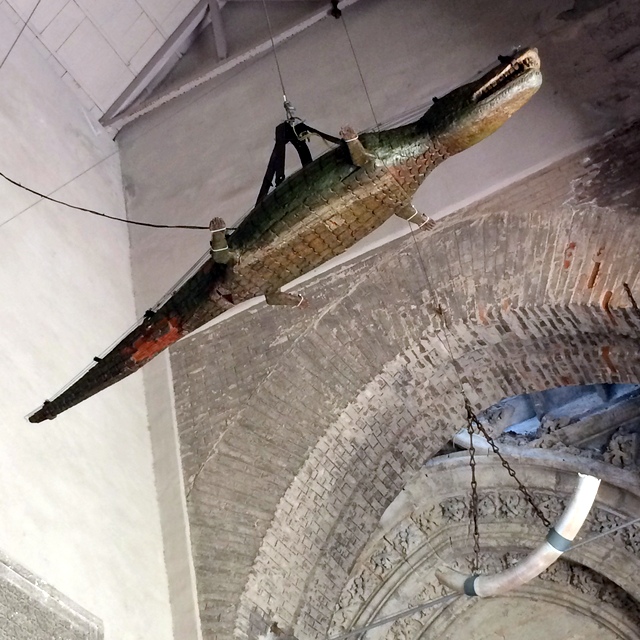
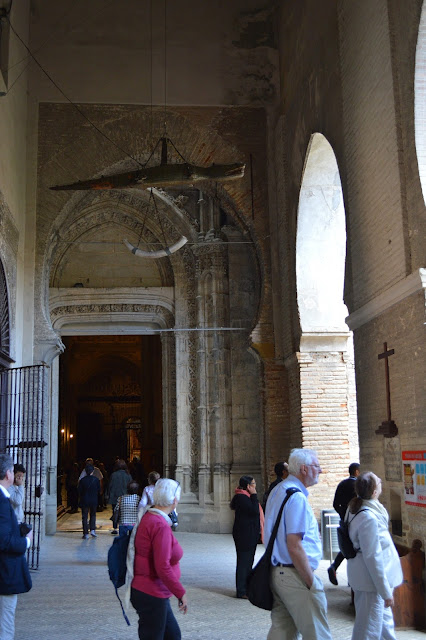
The transition of the “unlimited diagonal” movement to the name “Alfil” in Spanish literature marks a pivotal shift from medieval “Shatranj” to modern chess. While King Alfonso X’s “Libro de los Juegos (1283)” first introduced the unlimited diagonal move through a specific piece called the Crocodile (Cocodrilo), the name “Alfil” was not reapplied to this movement in the standard 8×8 game until the late 15th century.
In Alfonso X’s “Libro de los Juegos“, the standard Alfil was still the traditional medieval piece that jumped exactly two squares diagonally. However, Alfonso included an expanded 12×12 variant called “Grande Acedrex“ (Great Chess), which featured a new piece called the “Crocodile” (Cocodrilo).
The Movement: The Crocodile moved exactly like the modern piece—sliding any distance along unobstructed diagonals.
The Inspiration: Historians link this name to a famous diplomatic gift: a live crocodile sent from the Sultan of Egypt to Alfonso X in 1260, as part of a marriage proposal for the King’s daughter. A life-size wooden model of this crocodile, known as the “Lagarto“, still hangs in the Seville Cathedral today.
The name “Alfil” was officially used for the unlimited diagonal movement in the standard 8×8 game following the “Valencian Reform” around 1475.
Scachs d’amor (c. 1475): This Valencian poem is the first literary work to describe modern chess rules. It explicitly gives this piece a “more dynamic role,” moving as many squares as it could diagonally. In the poem, these pieces are already referred to as “Alfil”s (in Valencian/Catalan), illustrating that the name was transferred from the old “jumper” to the new “slider” during this period.
Libre dels jochs partits dels schacs (1495): Written by Francesc Vicent, this lost book is considered the first treatise on modern chess. It is believed to have standardized the name “Alfil” for the new movement across the Iberian Peninsula.
If looking specifically for Castilian (Spanish) rather than Valencian literature, the first definitive use of “Alfil” for the modern move is in:
Repetición de Amores y Arte de Ajedrez (1497): Written by Luis Ramírez de Lucena, this is the oldest surviving printed book on modern chess in Castilian.
Lucena refers to the piece as Alfil (or Arfil) and distinguishes between the “new” rules (de la dama) and the “old” rules (el viejo). He confirms that the “new Alfil” now runs across the diagonal, effectively absorbing the movement originally assigned to Alfonso’s “Crocodile”.
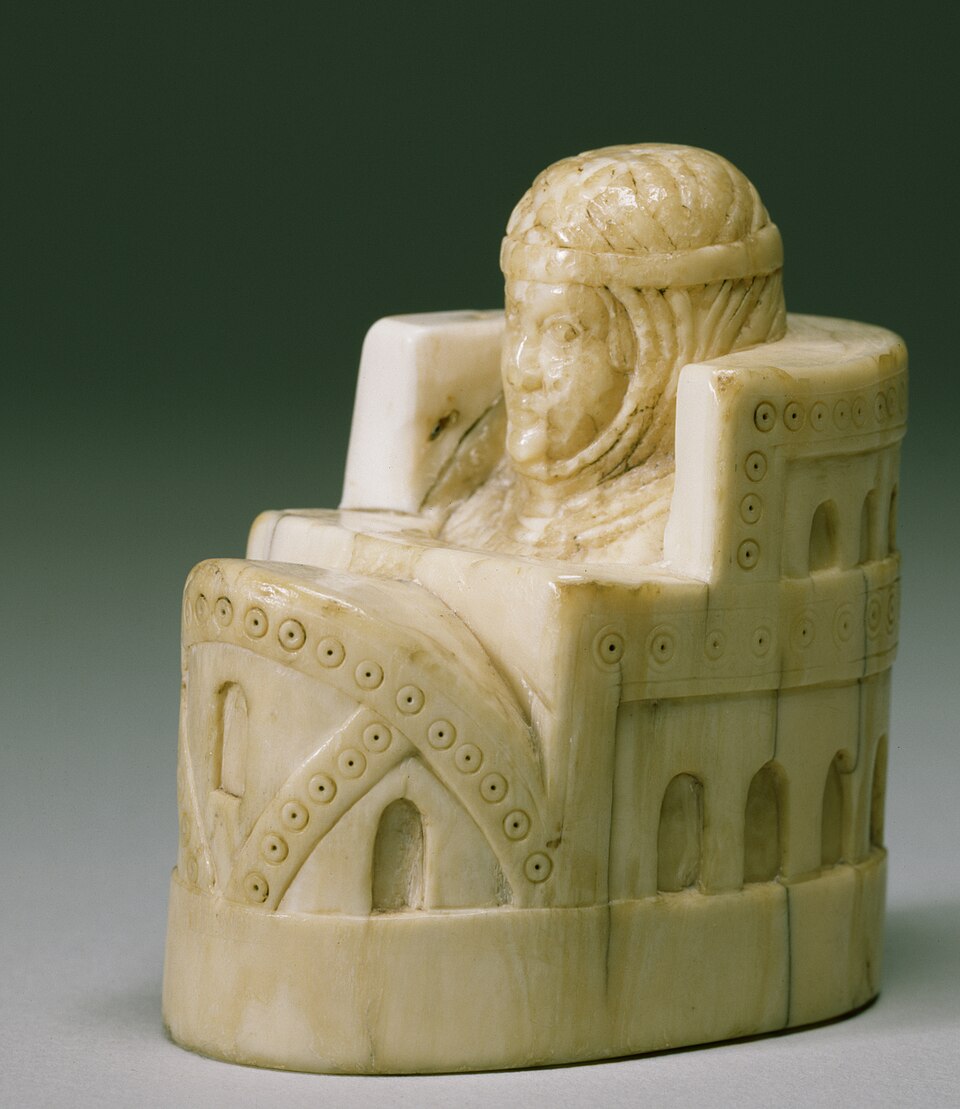
While both terms are used today, the choice between “dama” and “reina” in Spanish chess literature marks the transition from the medieval game to modern chess and reflects a long-standing effort to avoid linguistic confusion.
In a general literary sense, the term “reina” (queen) appeared in Spanish-related chess poetry long before it became the standardized name for the piece on the board.
11th Century (Shegal): The Spanish Rabbi “Abraham ibn Ezra” wrote a poem at the end of the 11th century that mentioned the piece as “Shegal” (a Hebrew term for queen).
Medieval Romance: Under the influence of Jacobus de Cessolis’ moral treatises, the piece was often referred to as “regina” in Latin and “reina“ in early Romance languages, even though it still moved with the weak, one-square diagonal movement of the “Alferza“.
When the rules changed in the late 15th century to create the powerful “unlimited” piece we know today, the preferred term in Spanish treatises was actually “Dama”, not Reina.
Libre dels jochs partits dels schacs (1495): Written by Francesc Vicent in Valencia, this is considered the first printed book on modern chess. It focused on the “Dama“ (Lady) and is credited with standardizing the “new” movement rules.
Repetición de Amores y Arte de Ajedrez (1497): Luis Ramírez de Lucena explicitly used the term “Dama“ to define the modern game (de la dama). He rarely used “Reina” because the game was often called “Chess of the Lady” (often associated with Queen Isabella I of Castile).
The shift to “Reina” in mainstream Spanish chess literature began to occur more frequently in the 16th century as the game moved beyond its initial “reform” period.
Ruy López de Segura (1561): In his foundational work, “Libro de la Invención Liberal y Arte del Juego del Axedrez”, Ruy López used both terms, though “Dama“ remained technically dominant in strategic descriptions.
The “R” Conflict: The primary reason “Reina” never fully replaced “Dama” in technical chess literature is chess notation. In Spanish notation, “Rey” (King) uses the letter “R“. To avoid confusion, the Queen is assigned the letter “D“ for “Dama”.