Geometry of the Streets: The Ancient Heritage of Yenikapı
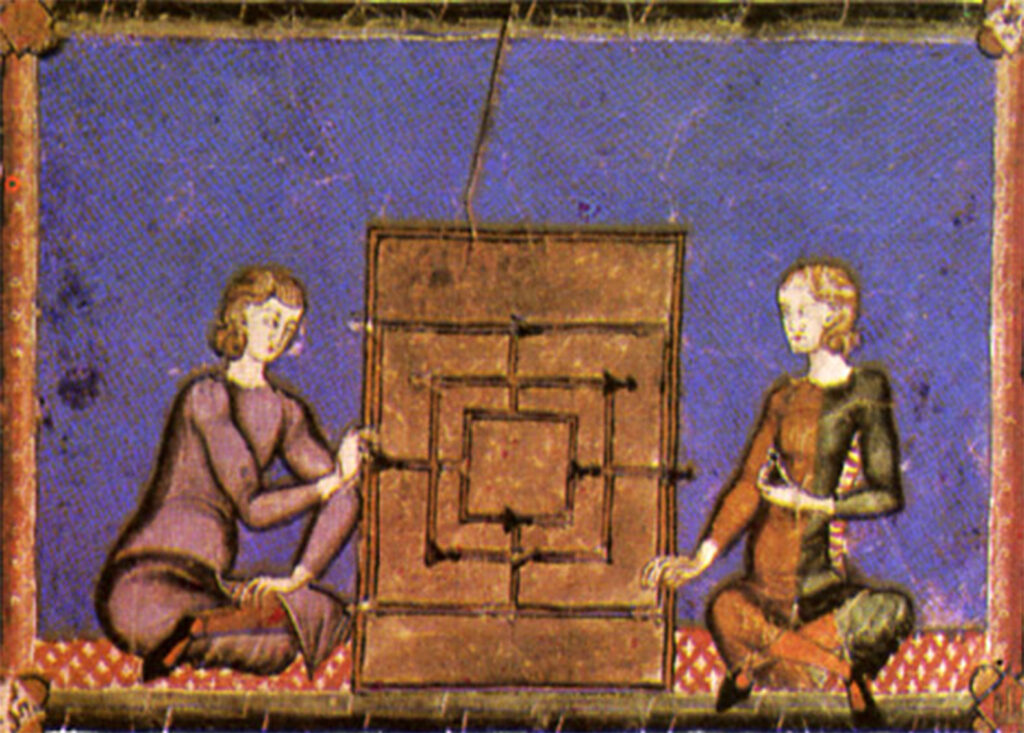
With roots stretching back millennia, Nine Men’s Morris is one of the most ancient strategy games filtered through the unified cultural basin of the Mediterranean, North Africa, and the Middle East. This Byzantine-era marble fragment, discovered during excavations in Yenikapı, Istanbul, proves that the game was an inseparable part of the vibrant social life in ancient harbors. Its entirely secular, abstract, and geometric form, free from religious iconography, made it a universal platform where people of different faiths met through shared rules for centuries. This “social signature,” etched into stone by a harbor worker or a sailor, is tangible proof that intellect and strategy lived not just in books, but in the very heart of daily life.
The First Theory of the Intellectual Game: The Legacy of Al-Adli Ar-Rumi
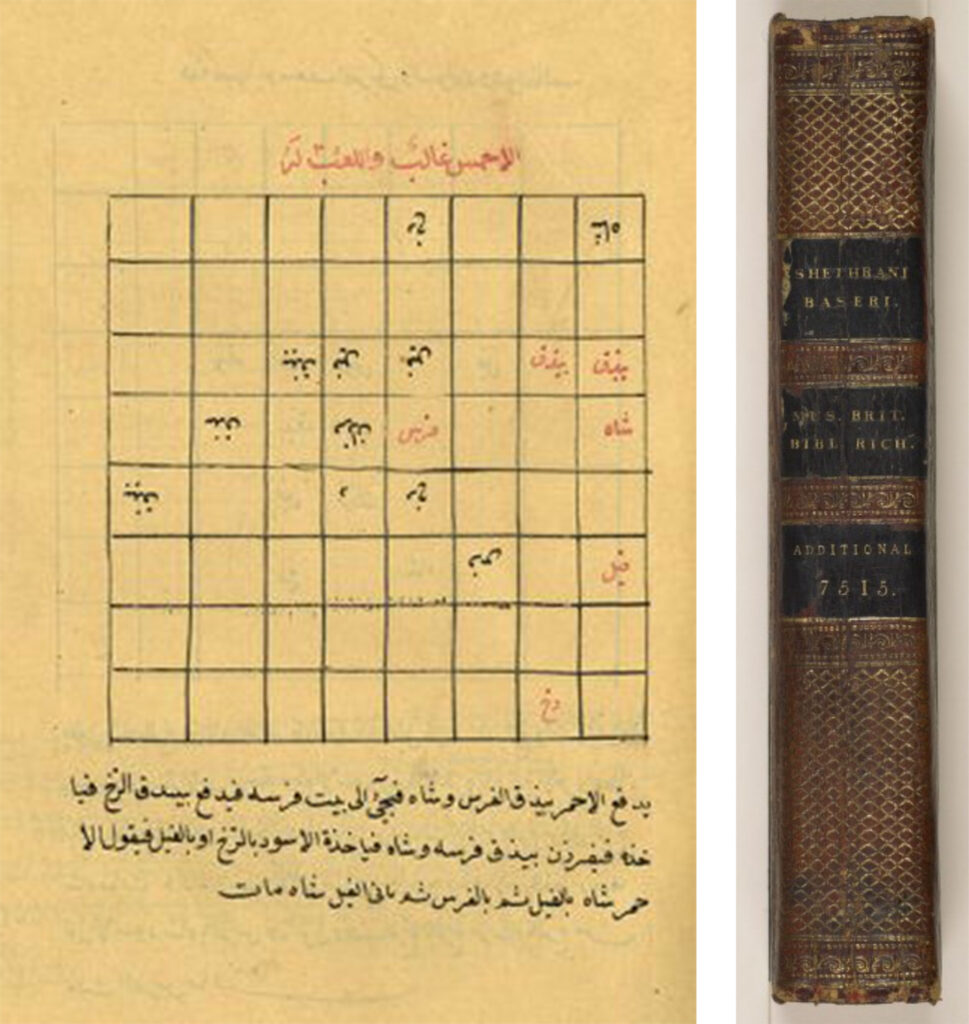
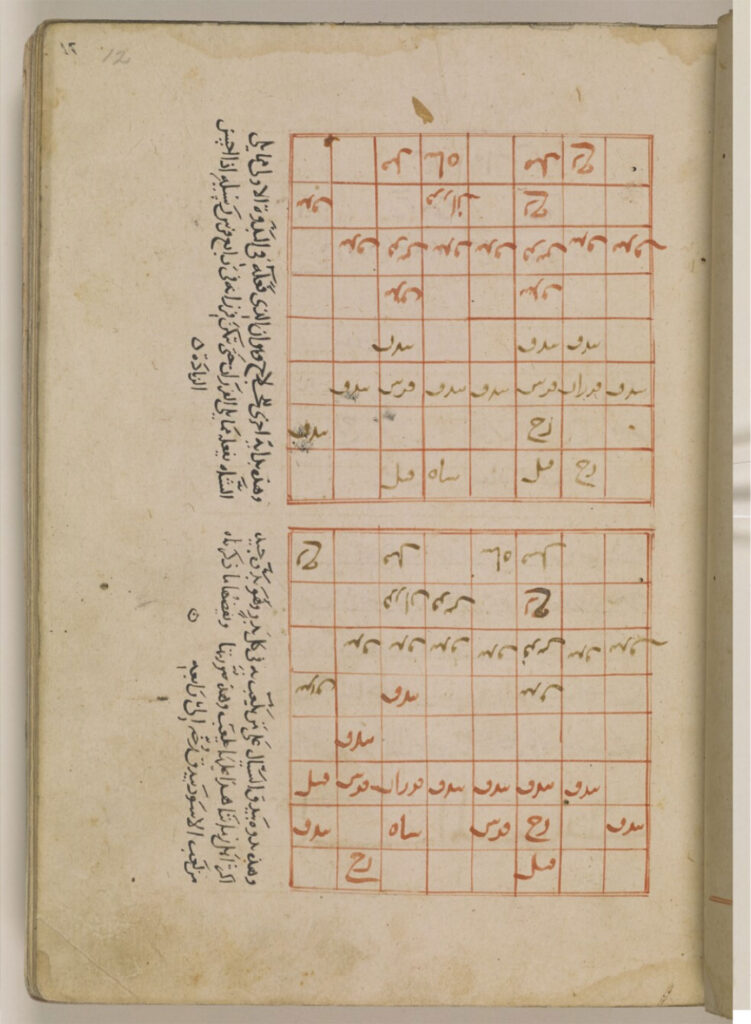
Written in the 9th century by the chess master known as Al-Adli Ar-Rumi, Kitab al-Shatranj is the first major work in history to systematize the strategic depth of the game. The epithet “Ar-Rumi” symbolizes chess’s multi-layered journey across the Mediterranean, North African, and Middle Eastern basin, highlighting its historical links to the Byzantine world. In this seminal work, Al-Adli did not only classify opening setups (tabiyas) and endgame problems (mansubas) but also laid the foundations of modern chess theory through the collective intellect of this vast region. Played with secular and abstract pieces free from religious iconography, this ancient game gained a mathematical depth through Al-Adli’s writing, becoming a pioneer of modern strategic culture.