
Deep Blue vs. Kasparov: The Dawn of Machine Dominance
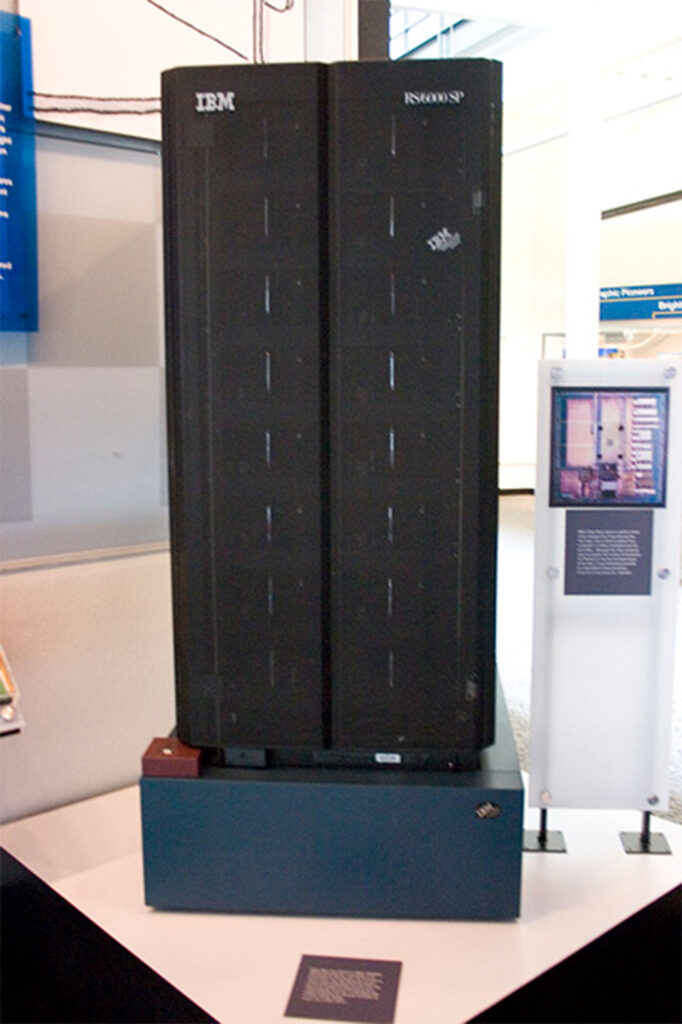
In 1997, the world witnessed a historic turning point in the relationship between man and machine. Developed by IBM, the supercomputer Deep Blue defeated the reigning World Champion, Garry Kasparov, in a six-match series. This was the first time a computer had beaten a world champion in a tournament-style match under standard time controls.
Brute Force Power: Deep Blue was a masterpiece of specialized hardware, capable of calculating 200 million positions per second.
A Symbolic Victory: This match shifted the global perception of Artificial Intelligence. It proved that while human intuition is profound, the sheer computational speed of a machine could overcome the greatest strategic mind of the era.
Stockfish is the world’s most powerful open source chess engine. Unlike the exclusive supercomputers of the past, Stockfish is free and accessible to everyone, from amateur hobbyists to world class Grandmasters.

Developed by Google’s DeepMind, AlphaZero revolutionized how we think about Artificial Intelligence. While previous engines were “taught” by humans using programmed rules, AlphaZero was a self-learning system.