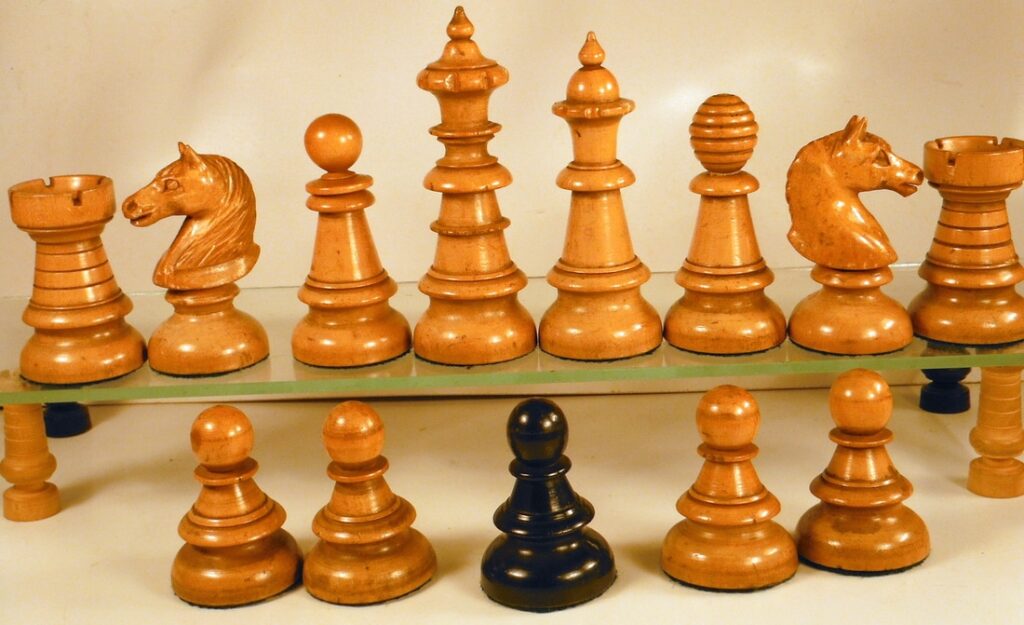
The ŞAHÎ Chess Set is more than just a game; it is a bridge between cultures, eras, and philosophies. Designed to evoke both imperial and royal sensations, the set draws its name from a term widely used in the Balkans and many Slavic languages to refer to the game of chess.
The word “ŞAHΔ itself functions as a royal adjective meaning “specific to the Shah,” carrying a literary weight that signifies strength, magnificence, and strategic depth.
Designed by experienced chess educator and former MIT first-board player Tamer Karatekin, this set elegantly encapsulates the history of the game. Every piece is crafted to reflect a unique historical narrative:
The ŞAHÎ set is meticulously prepared to serve as both an artistic display and a functional tool for educational and tournament use. Its design philosophy is rooted in being culturally and spiritually inclusive, ensuring it resonates with players across the globe.
A Legacy of Support:
The production of this set was made possible through the support of the Massachusetts Cultural Council and the European Union Youth program.
Dilaram’s Cry
According to the legend, a nobleman and passionate chess player lost everything in a high-stakes match and, in desperation, bet his favorite wife, Dilaram, on the final game. As the match reached its climax, the nobleman fell into a seemingly hopeless position. However, Dilaram, who had been watching the game, spotted a brilliant combination that no one else saw and whispered to her husband: “Sacrifice your two Rooks, but do not sacrifice me!” Reinvigorated by her insight, the nobleman sacrificed both his rooks in succession to deliver a stunning checkmate using a knight and a bishop (the historical Alfil).
Strategic Brilliance
The Dilaram Mate is one of the oldest and most aesthetically pleasing examples of the “double rook sacrifice” in chess history. This mansuba (problem) demonstrates how the sacrifice of heavy material (rooks) can lead to absolute victory through the perfect coordination of minor pieces (knight and bishop). The name Dilaram means “Heart’s Ease” in Persian, and for centuries, this mate has served as proof that chess is not just a game of calculation, but one of art, emotion, and profound intuition.