
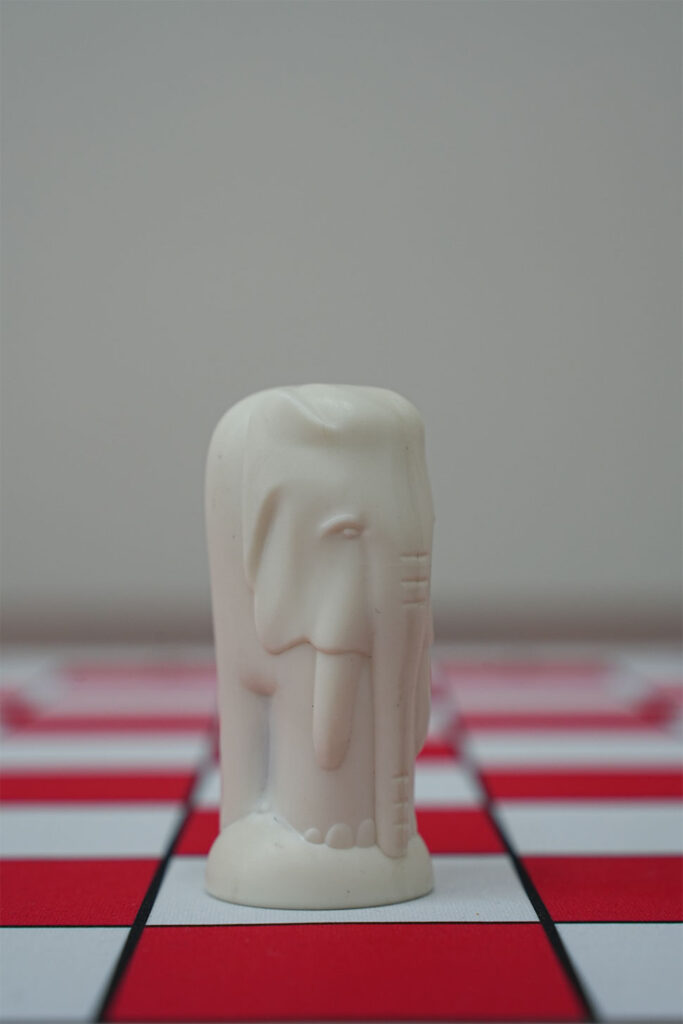
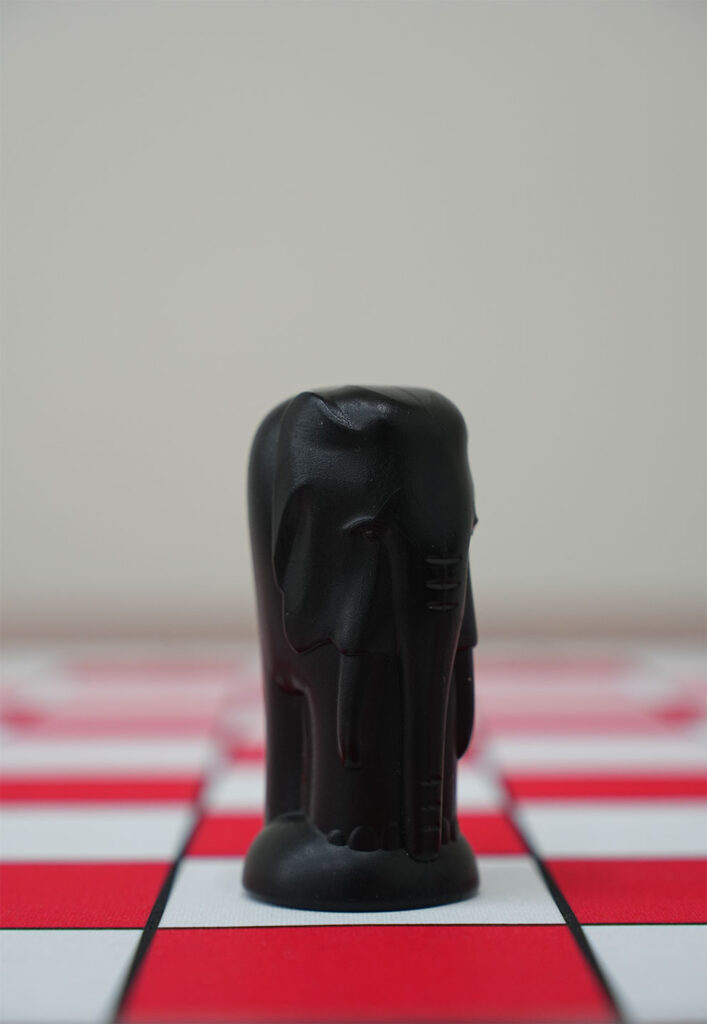
ŞAHÎ Abul-Abbas: The Elephant’s Journey Across Three Continents
This figure takes its name from the legendary white elephant, Abul-Abbas, gifted by the Abbasid Caliph Harun al-Rashid to the Holy Roman Emperor Charlemagne in the 9th century. This historical voyage symbolizes the migration of chess from India and the Middle East to Europe, marking one of the earliest major cultural exchanges in history. Embodying the evolution of the piece known in modern chess as unlimited diagonal mover, this design offers a seamless synthesis of East and West, merging ancient Eastern iconography with Western strategic heritage. Once a piece restricted to jumping two squares diagonally, the “Elephant” is reimagined here to honor its historical roots while embracing its modern role on the board.
Throughout chess history, this piece has been named elephant, crocodile, turtle, camel, standard-bearer, courier, officer, lance, runner, hunter, archer, jester, diagonal-mover, and bishop. Its design in modern chess is usually in the shape of a bishop’s miter.
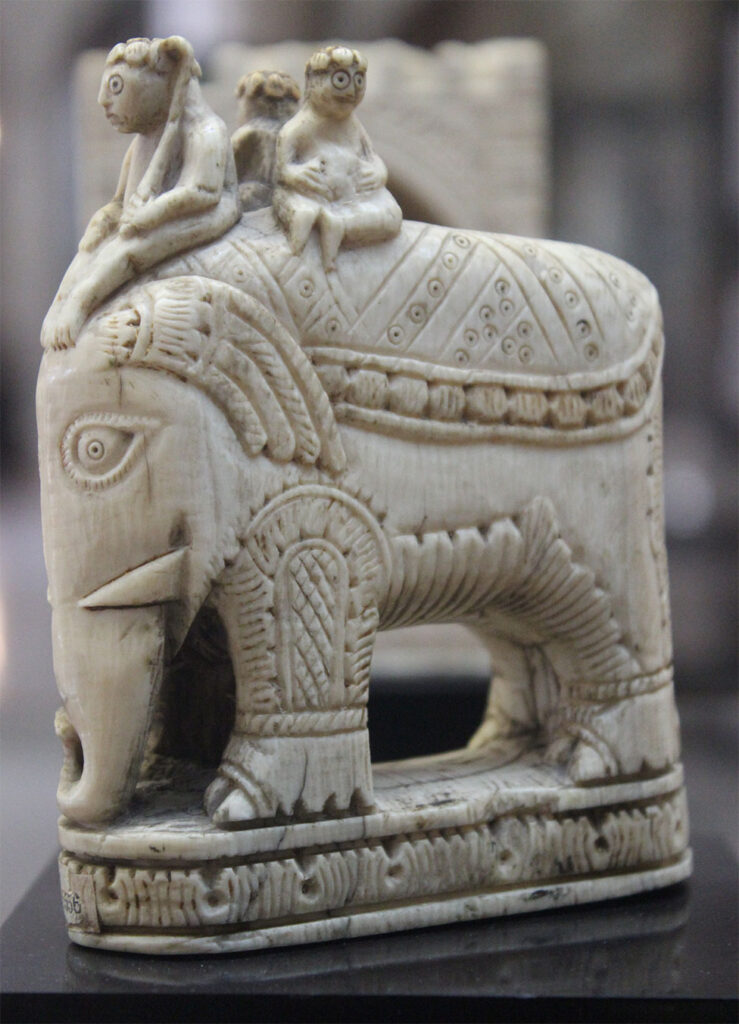
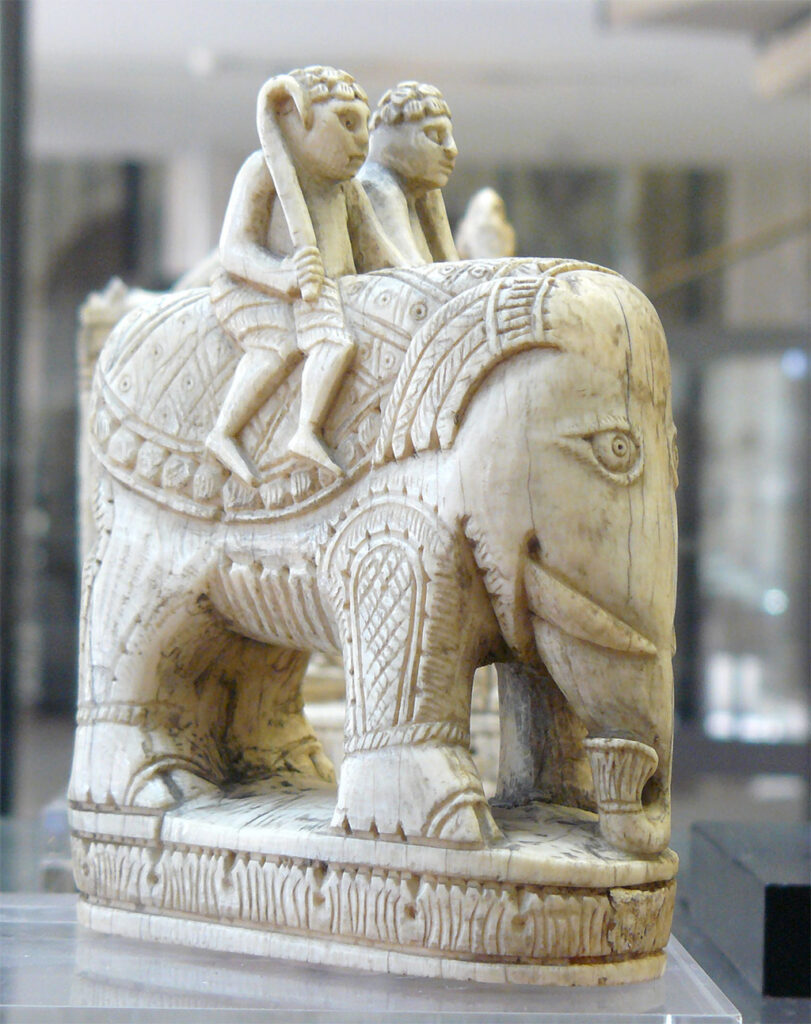
The Charlemagne Elephant: A Majestic Medieval Legacy
Dating back to the 11th century and believed to originate from Southern Italy or Spain, this renowned collection represents the pinnacle of ivory craftsmanship. Part of the famous “Charlemagne Chessmen,” this elephant figure stands out with its intricate carvings that reflect the aristocratic attire and symbolic elements of the era. Documenting the aesthetic transformation of chess as it migrated from the Islamic world to European courts, this piece proves that the game was not only a tool for strategy but also a potent symbol of diplomatic and cultural power.
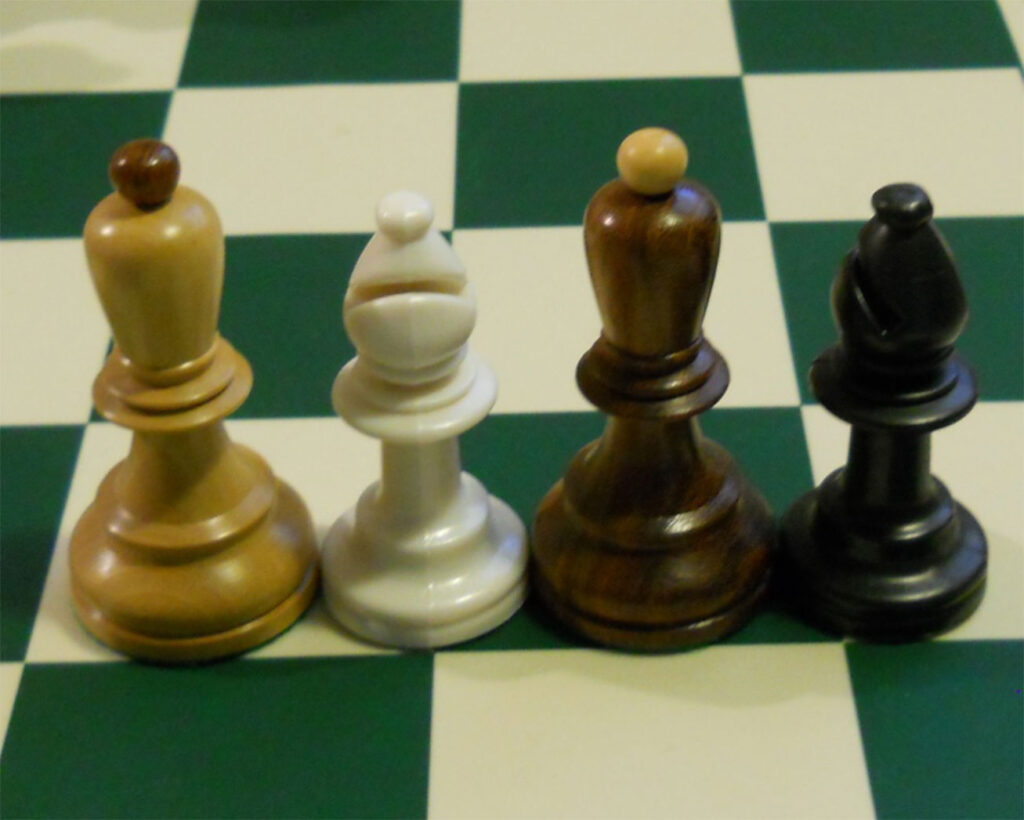
1950 Dubrovnik and Staunton Bishops: Form and Symbolism
This visual contrasts how two different design philosophies are reflected in the bishop pieces (The 1st and 3rd pieces from the left belong to the Dubrovnik set). The 1950 Dubrovnik bishop offers a more secular and modern aesthetic, defined by its elegant silhouette and fine details, free from religious symbols. In contrast, the Staunton bishop follows traditional Christian forms, featuring a prominent miter cut a religious symbol within a more rigid and sturdy structure. The distinction between Dubrovnik’s dynamic, inclusive design and Staunton’s traditional boundaries demonstrates how chess pieces serve as representations of cultural identity.
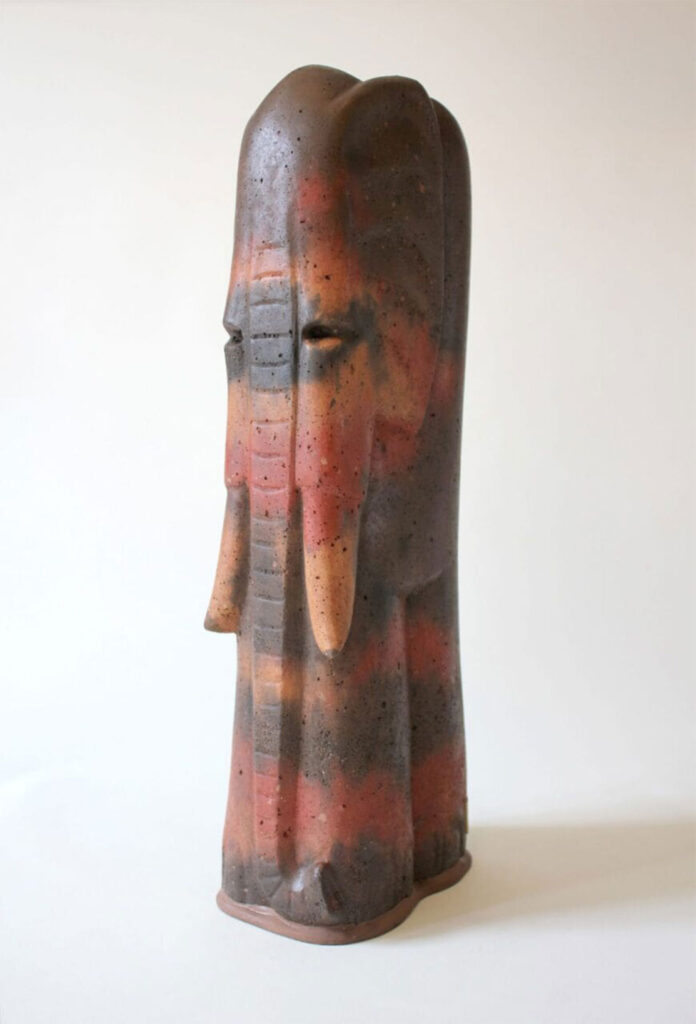
The Dominic Snow Bishop: A Contemporary Strategic Form
Reflecting the creative vision of artist Dominic Snow, this piece breathes a modern, sculptural life into traditional chess figures. Its fluid form and extraordinary color transitions transcend the conventional boundaries of the bishop, redefining the game’s classic elements through artistic expression. This figure serves as a testament that chess is not merely a battle of wits, but an aesthetic experience with profound visual and intellectual layers.
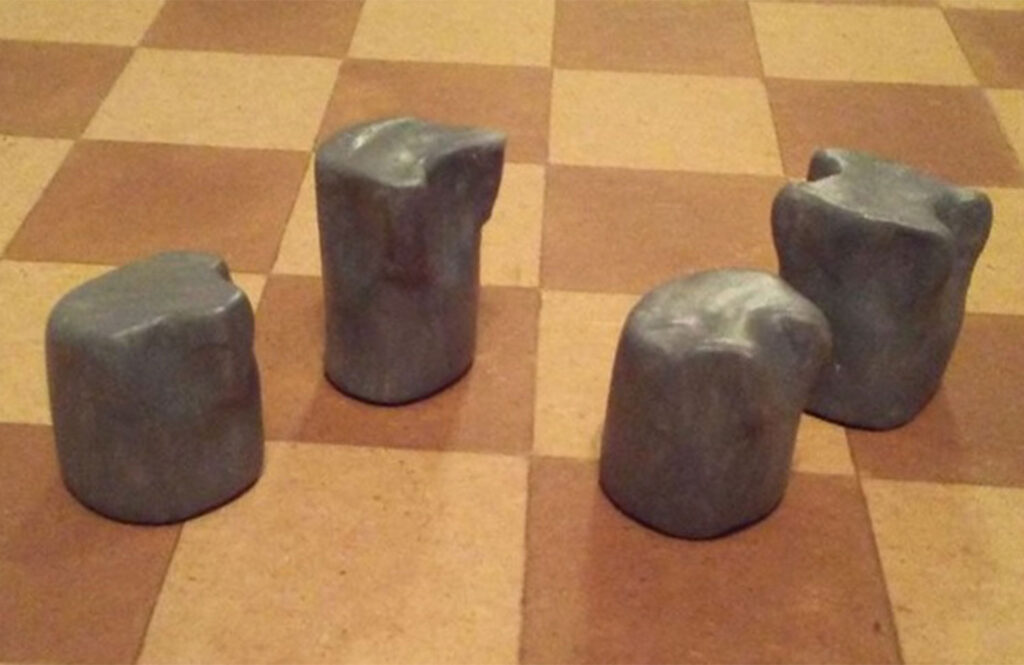
Timurid Era Chess Elephant
This hand carved stone piece illustrates the historical transition from figurative realism to Islamic abstraction. The distinct “two-horned” shape is a symbolic representation of an elephant’s tusks a design that spread across the Middle East and the Mediterranean. While the English later adopted the name “Bishop,” the Spanish preserved the original Arabic root as Alfil (The Elephant), and the French phonetically evolved the term into Le Fou. This piece remains a testament to the original elephant character’s enduring legacy and the universal spirit of the game.
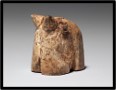
Elephant piece from Nishapur, 9th century
Similar shaped elephants were used in Spain and are seen as chess icons inside Libro del Acedrez written in the 13th century Spain.