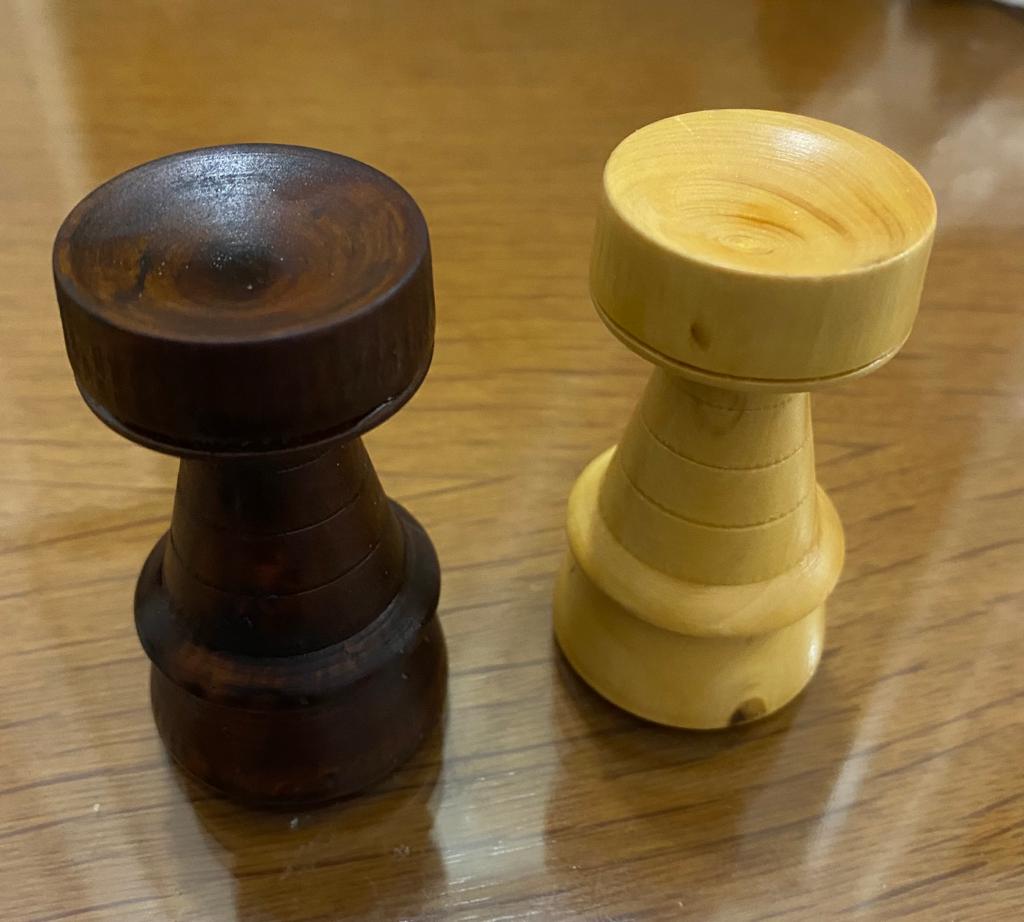
In the South Slavic tradition, the iconography of the rook shifts from architecture to artillery. Because the piece is named Top (meaning “Cannon”), many regional designs such as the famous Subotica set abandon the traditional battlements of a castle tower. Instead, the piece takes on a cylindrical or tapered shape with a concave, cup-like top that resembles the muzzle of a cannon. This evolution reflects the unique linguistic and cultural layers of the Balkans, where Turkish, Slavic, and Austro Hungarian influences often give pieces dual names, such as Top and Kula (Tower). This cultural intersection highlights how chess serves as a bridge between different historical eras and societies.
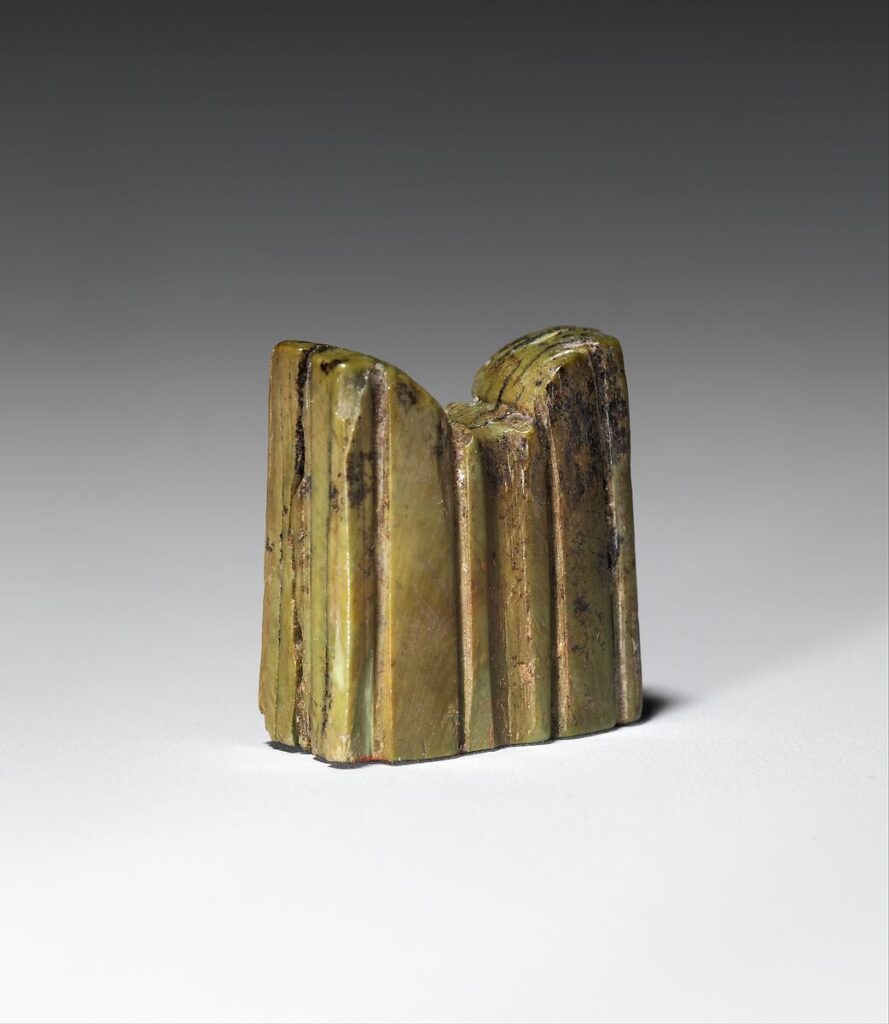
Nishapur Rook (Rukh) This stone piece from Nishapur is an ancient Rook, originally known as the Rukh. While the split top of the modern Bishop is often wrongly attributed to the tusks of ancient elephant pieces, it was actually the traditional Rook that featured this prominent gap between two tall edges. This V-shaped silhouette was an abstract representation of a chariot, highlighting the geometric design language that defined early Persian and Mediterranean chess sets.
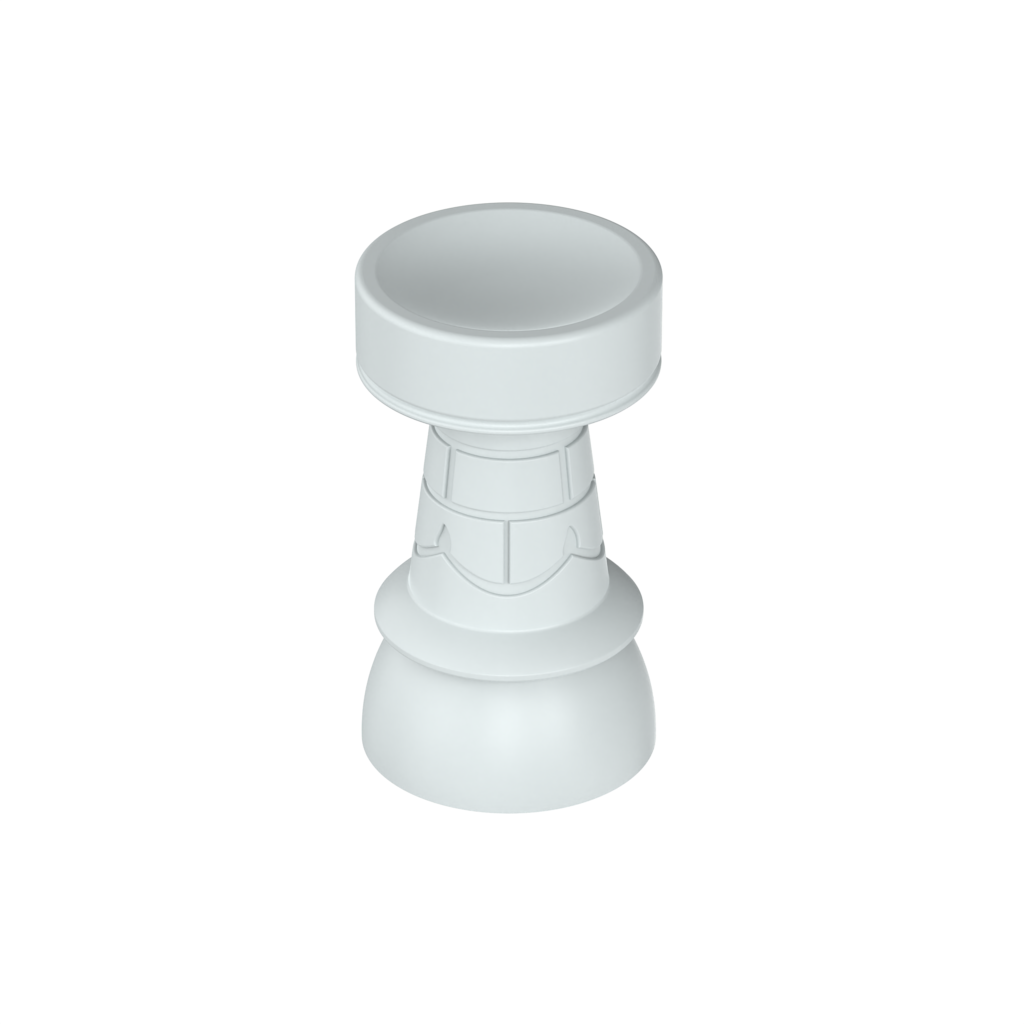
ŞAHÎ set rook piece: Shahrukh Shahrukh, named after the commander and chess master Timur’s son, means”Ruler, Master, and Magnificent of the Rooks”. Shahrukh became a significant patron of science, culture, and art. The term “Rukh” means war chariot and evolved into “roca”, meaning tower in Spanish and Italian, which influenced chess piece designs.This piece has been historically named war chariot, tower, ship, and cannon. The Şahruh piece incorporates the rolling wheels of a war chariot, the bricks of a tower, the barrel of a cannon, and the anchor of a ship.