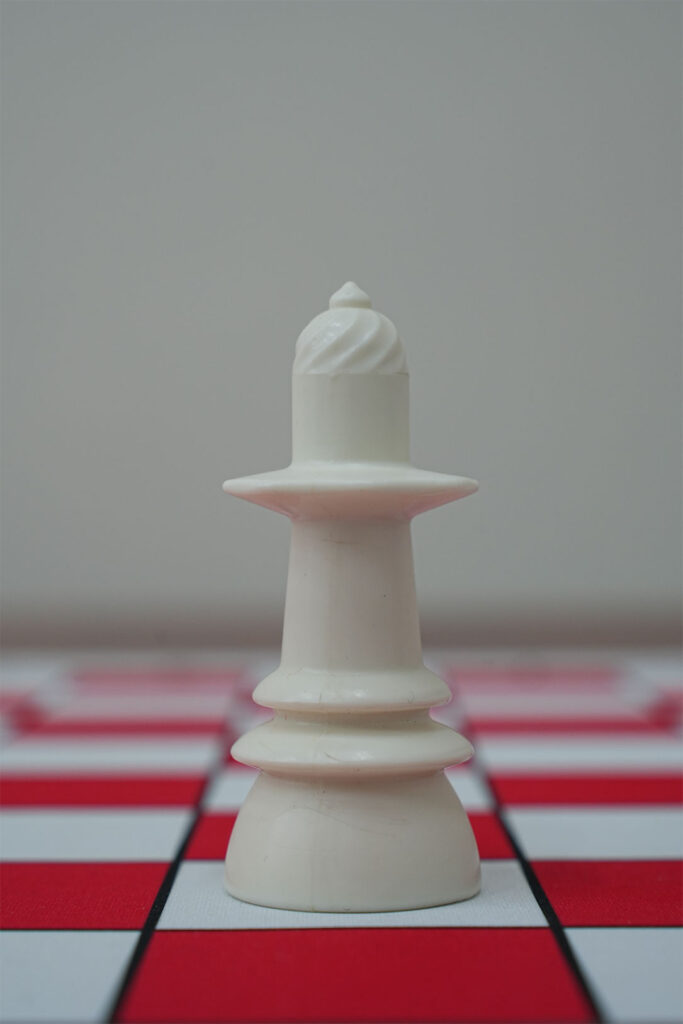
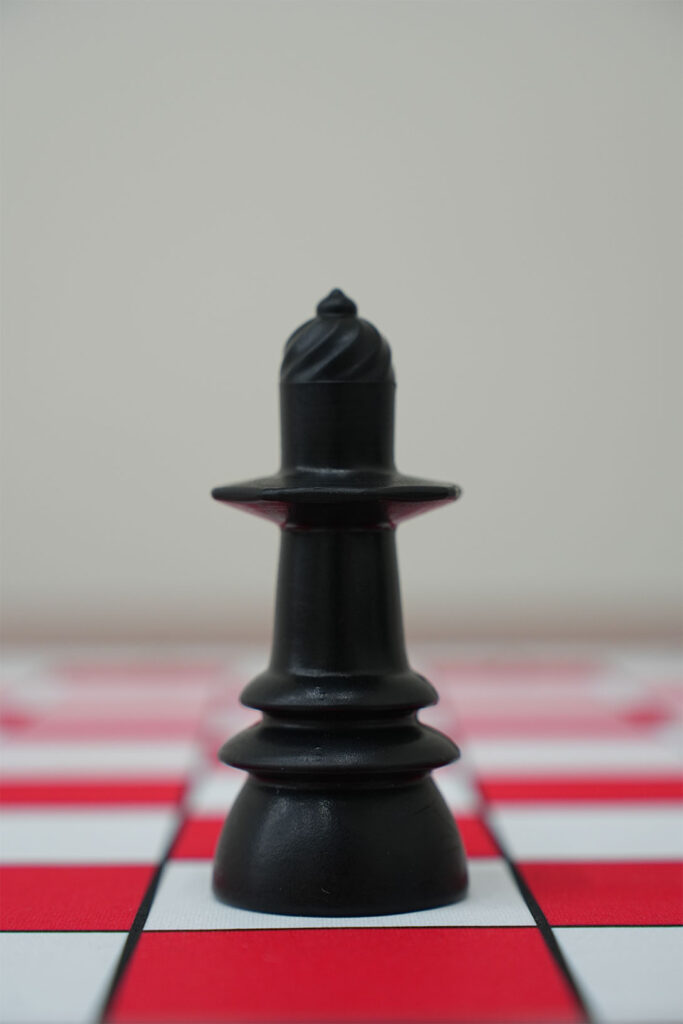
Sokol, meaning “falcon” in Slavic languages, symbolizes military power with its name and Timurid spiral helmet design. “Sokolovichi,” meaning “village of falcons,” was the birthplace of Sokollu Mehmed Pasha, one of the most renowned viziers shaping both East and West.
Its tall, spire-like shape and inverted pen design signify the vizier’s authority and wisdom. The octagonal disc represents the modern movements of this piece. Historically, the firz/vizier could only move one square diagonally.
Over time, this chess piece has been known as Mantri, Firz, Vizier, Advisor, Minister, General, Leader, Vierge, Dame, Donna, Lady, and Queen.
12th-Century Southern Italian Vizier This 12th-century ivory piece depicts a male advisor (Vizier) seated on a throne, rather than a Queen. It reflects the piece’s historical role as a royal counselor and the monarchic symbolism of the era, before it later transitioned into a female figure in Europe.
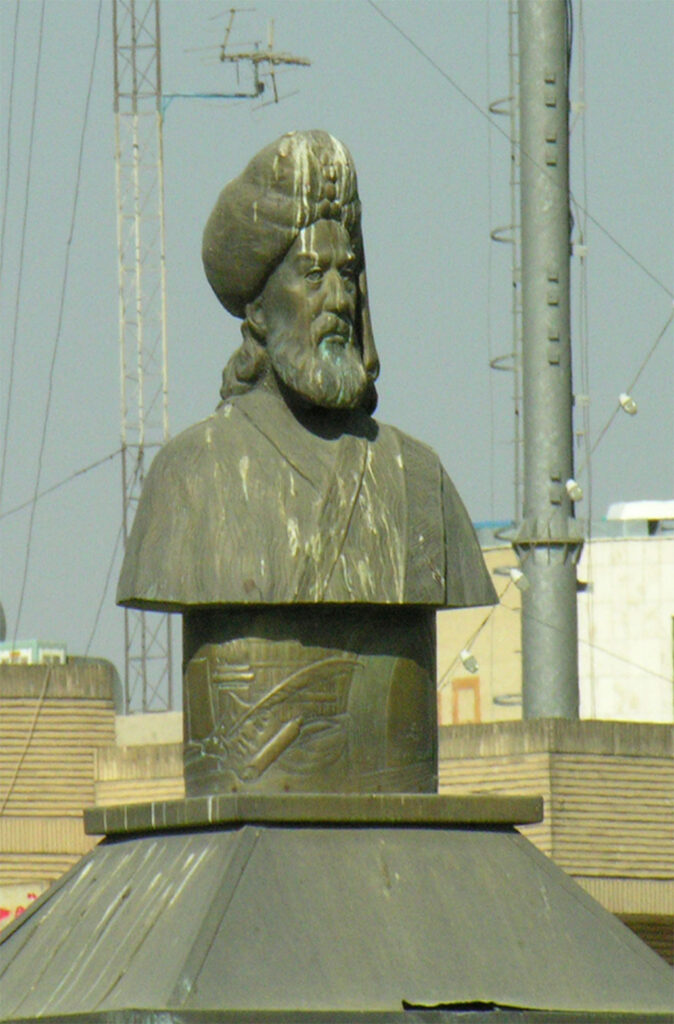
The Iranian Vizier: Bozorgmehr This statue depicts Bozorgmehr, the legendary Grand Vizier of the Sassanid Empire. Celebrated in the Shahnameh for his extraordinary wisdom, he is credited with writing the first known treatise on chess after deciphering the game’s logic. This figure embodies the Persian heritage of strategy and the intellectual grandeur of the Sassanid era.
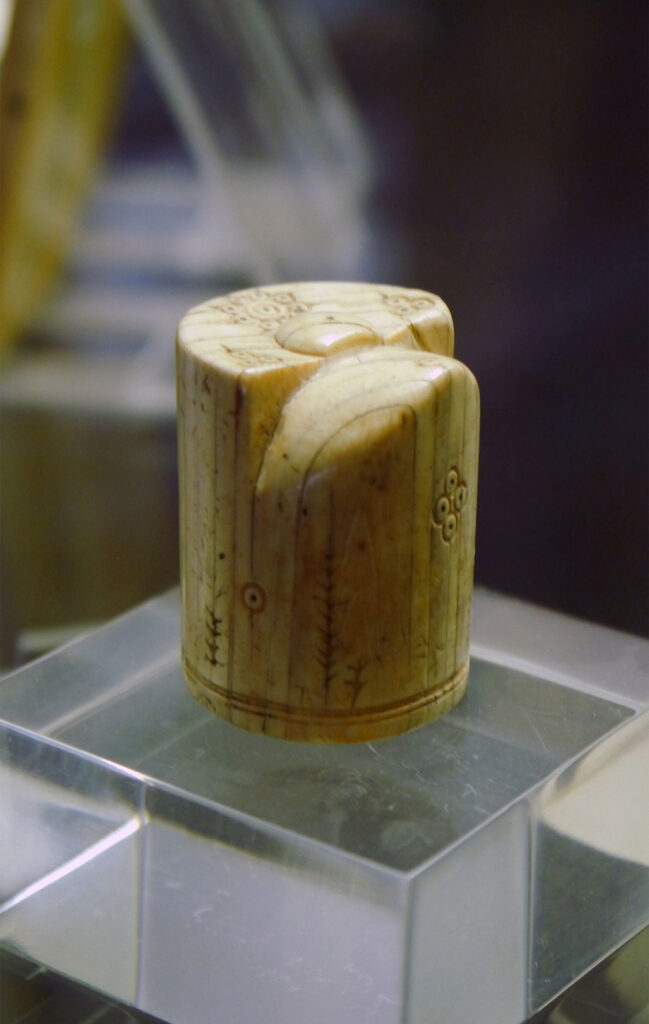
9th-Century Ivory Shatranj Vizier This rare ivory artifact represents the “Vezir” (Fers) from Shatranj, the medieval ancestor of modern chess. Its design reflects a visual language common across the Mediterranean during this era. Unlike the modern Queen, this Vizier had limited mobility moving only one square diagonally shaping the slower, more tactical pace of the game at that time.
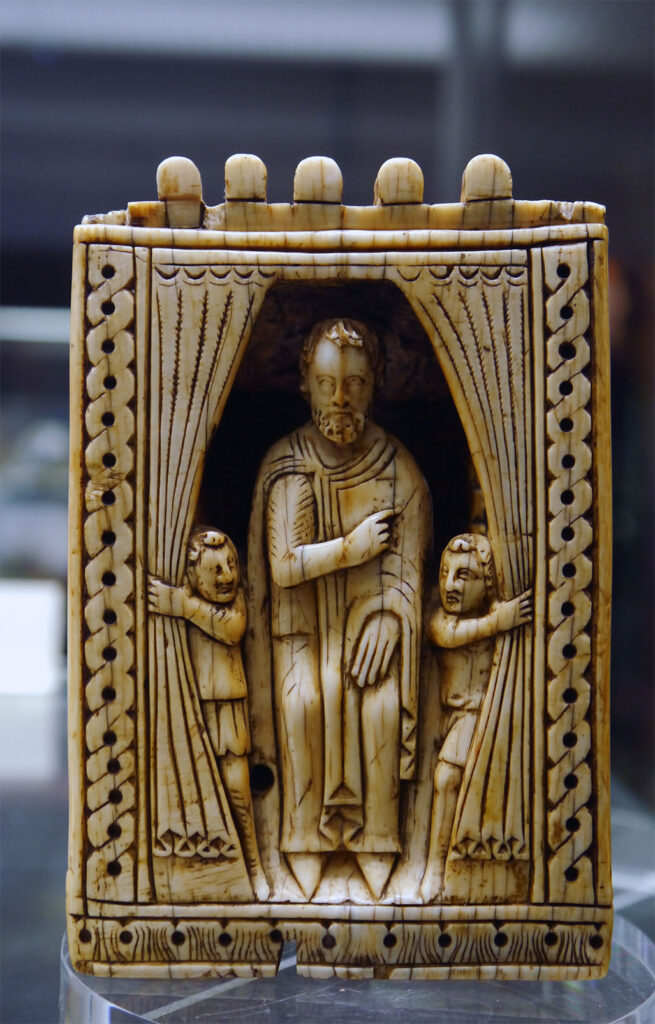
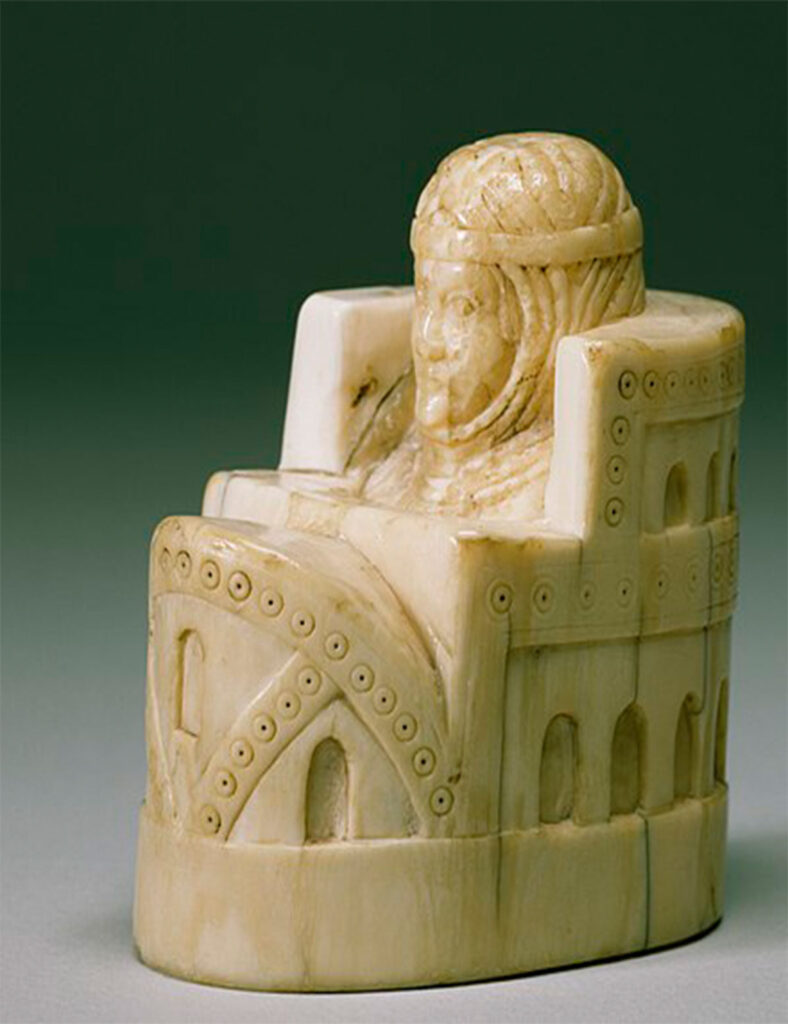
12th-Century Spanish Vizier This 12th-century Spanish Vizier (Fers) is intricately carved with architectural motifs and uniquely designed in the form of a castle. The fine details, including the facial features and hairstyle, emphasize that this piece might have been called a lady figure long before Lucena’s book in 1497. As a key artifact of Medieval Spain, it reflects the era’s artistic values and the piece’s traditional identity as a male counselor.
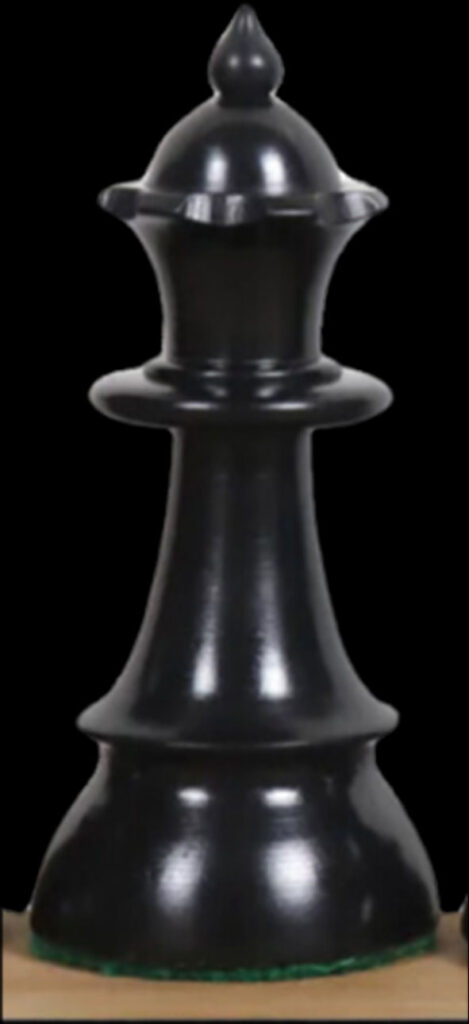
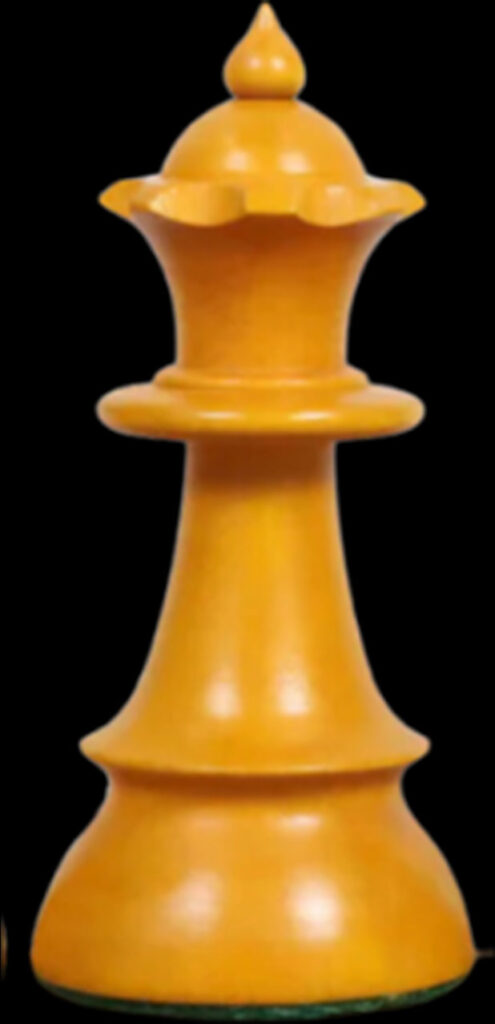
Austrian Coffee House “Onion Dome” Queen This queen piece prominently features the “onion dome” finial, a design hallmark that became particularly popular in Central European coffee house sets during the mid-20th century. The use of classic straw-colored wood gives the figure a warm and natural feel. This specific style honors the deep history of the game while introducing a more streamlined, modern touch typical of the era’s functional yet artistic craftsmanship.