Elegance at the Summit: The Legacy of Lasker and Schlechter
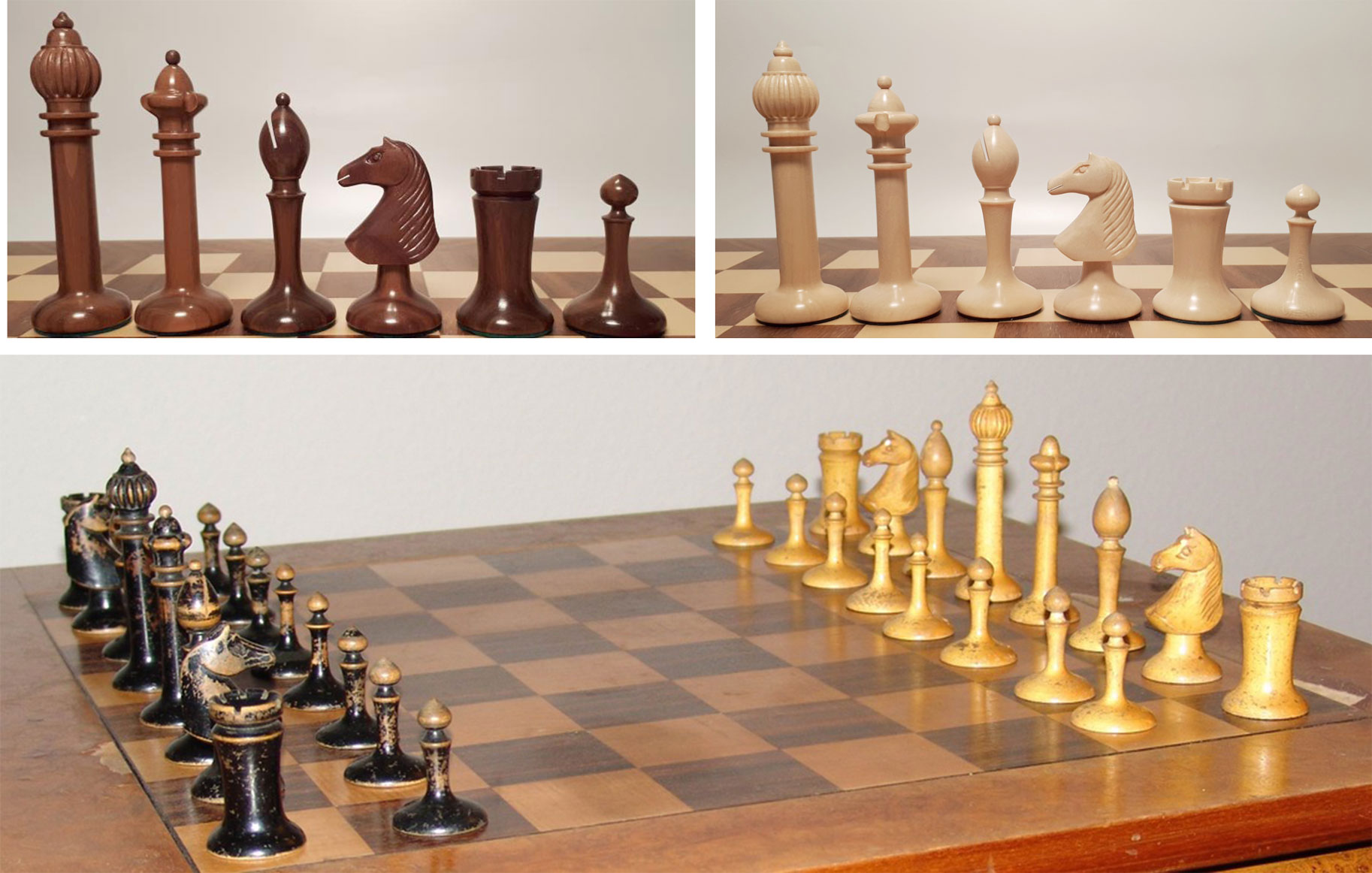
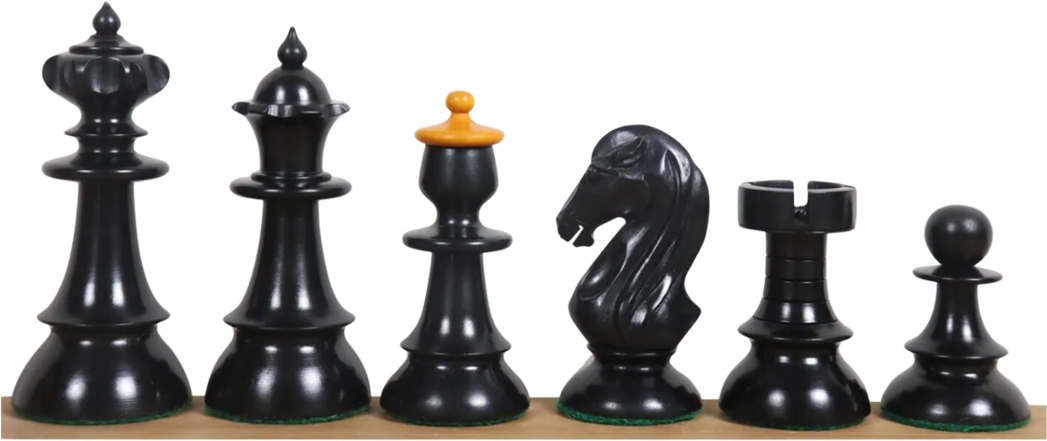
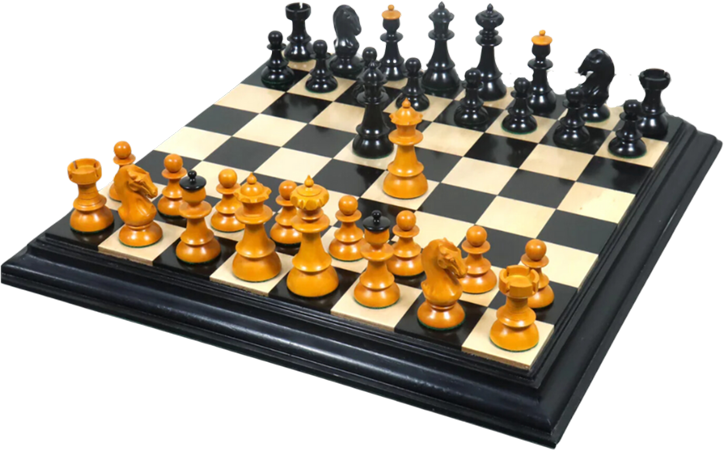
The tension of the 1910 World Chess Championship comes to life in the simple yet dignified lines of this set. Witness to the legendary struggle between Emanuel Lasker and Carl Schlechter, this design is an aesthetic expression of early 20th-century European craftsmanship. No longer just gaming tools, these pieces transformed into instruments where modern sporting discipline meets classical art, symbolizing the evolution of chess into a global stage for intellectual rivalry.
Democratic Aesthetics: Chess in the Viennese Coffeehouses
In 1880s Europe, chess migrated from royal corridors to the smoky, intellectual atmosphere of public cafes through sets like this. Carved from fruitwood, this particular set is a prime example of the “Viennese Coffeehouse” (Kaffeehaus) style, noted for its characteristically stylized knights and bishops. These pieces tell the story of how the game bridged social classes, becoming a democratic marvel of craftsmanship accessible to all.