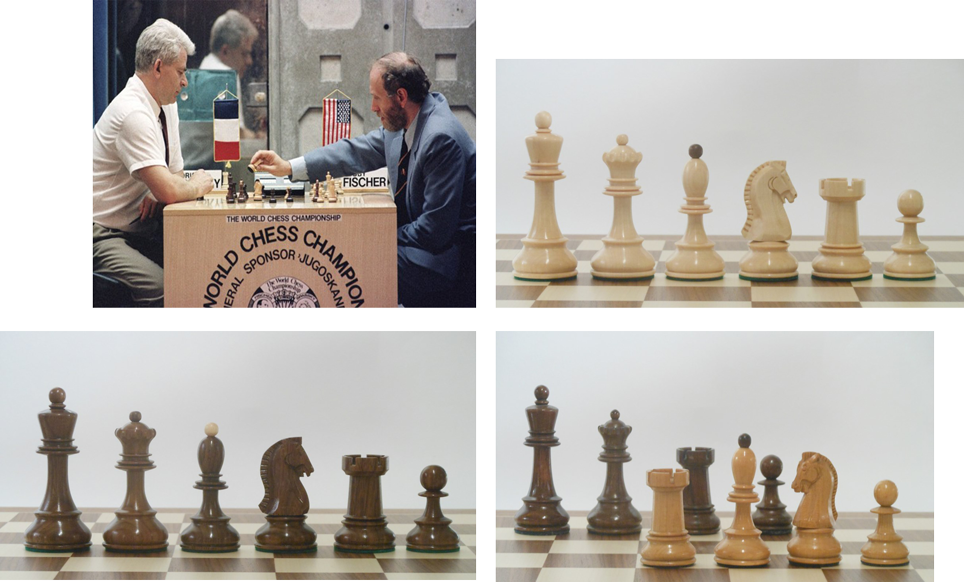
Specially created for the 9th Chess Olympiad in 1950 in Yugoslavia, this set represents one of the most radical design revolutions in chess history. Designed by Montenegrin painter and sculptor Petar Poček, the set aimed to reunite the world through the unifying power of play following the Second World War. With this goal in mind, all religious symbols were intentionally removed: the traditional cross atop the King was replaced by a simple sphere, and the notch on the Bishop symbolizing a cleric’s miter was eliminated.
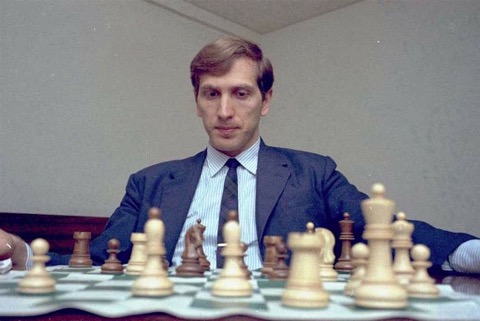
This “secular” and inclusive design transformed chess from a symbol of specific faiths into a universal work of art. Famously cherished by Bobby Fischer as “the best set I have ever played on” so much so that he insisted on its use for his historic 1992 rematch against Spassky this design stands as a profound aesthetic promise of craftsmanship for a peaceful and modern future.
A Passion Beyond Borders: The Chess Heritage of Subotica
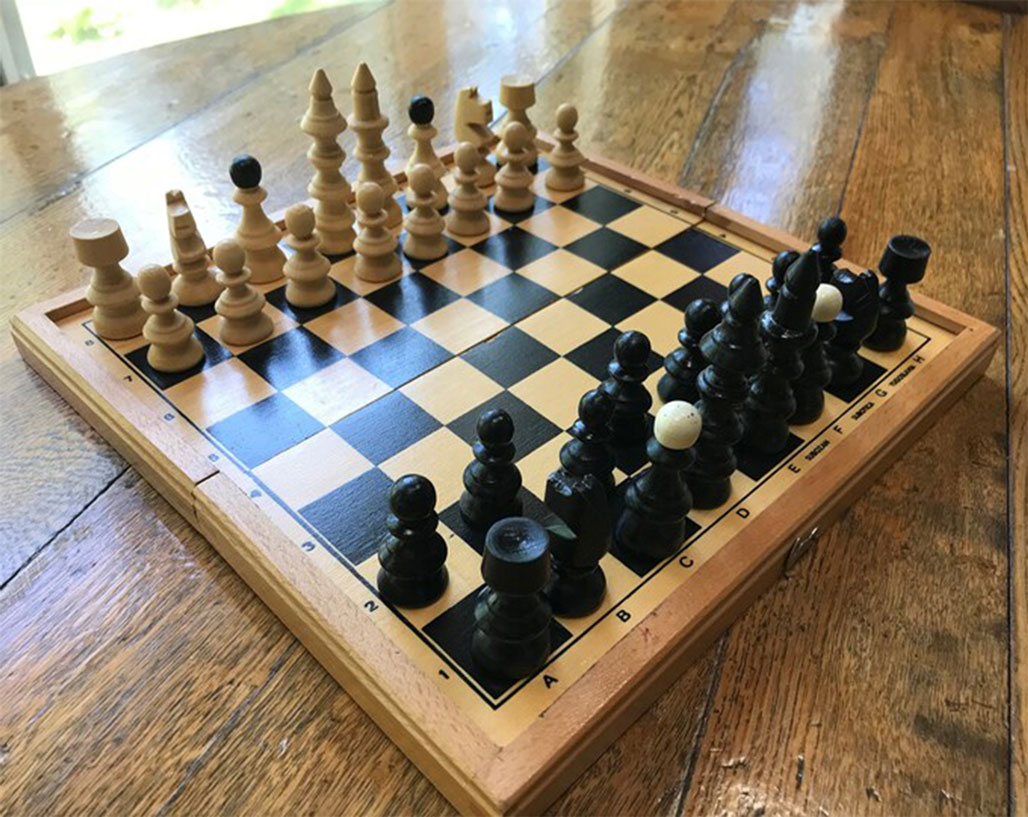
Brought to life in the border town of Subotica and crafted in the legendary Subozan workshops, this set stands as a powerful symbol of Yugoslavia’s golden age in the chess world. These pieces represent an era when chess took root as a true folk culture found in every home, school, and public park. Carrying the simple, durable, and dignified aesthetic of Balkan craftsmanship, they tell the story of how chess evolved from an elite pursuit into a shared social language that united all levels of society. The Subotica set remains a timeless cultural bridge where artistry and strategy meet.