A Strategic Legacy: The Architectural Lines of the Averbakh Set
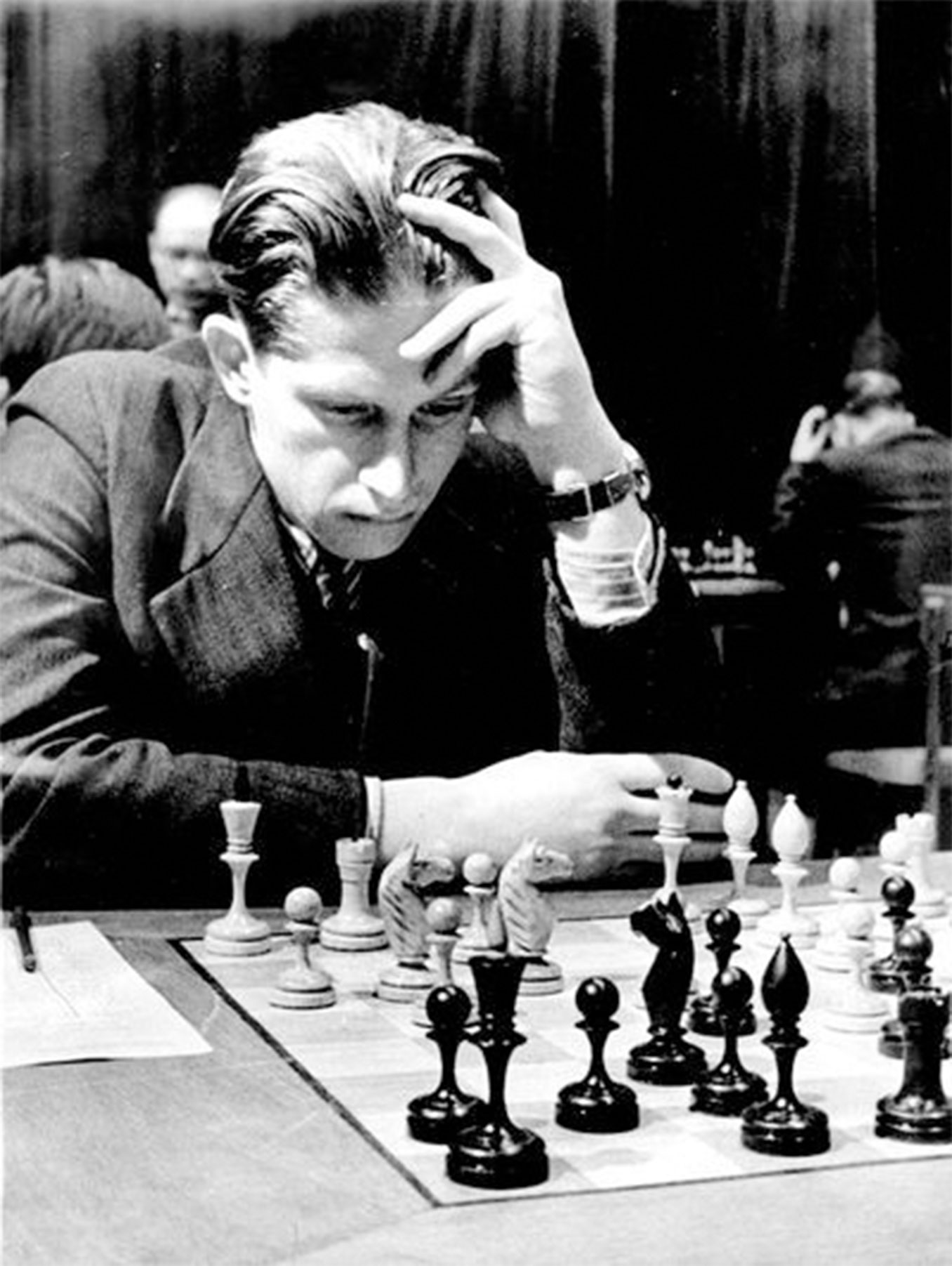
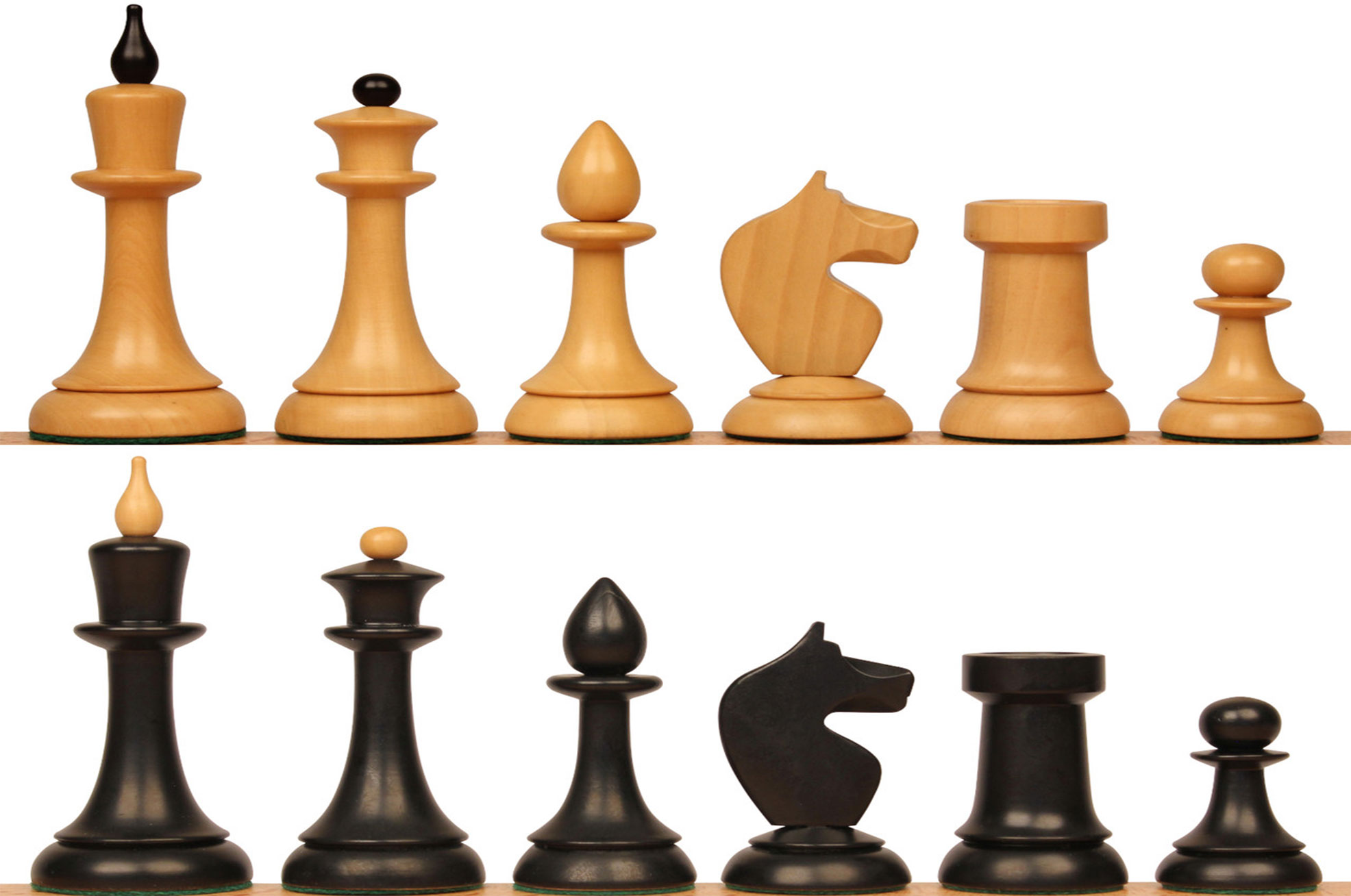
Named after Yuri Averbakh, one of the greatest theorists of modern chess and a master of the endgame, this set represents the golden age of the Soviet Chess School. Frequently used in the prestigious tournaments of the 1950s and 60s, this design is renowned for its minimalist, focus-enhancing, and architecturally balanced lines. Reflecting Averbakh’s scientific approach where the chessboard was treated as a laboratory these pieces, with their slender stems and simplified silhouettes, symbolize the purest form of intellect. This set is more than a gaming tool; it is a visual manifesto of the era of Soviet chess hegemony and a disciplined intersection of craftsmanship and strategy.
A Cultural Phenomenon: Beth Harmon’s Latvian Legacy
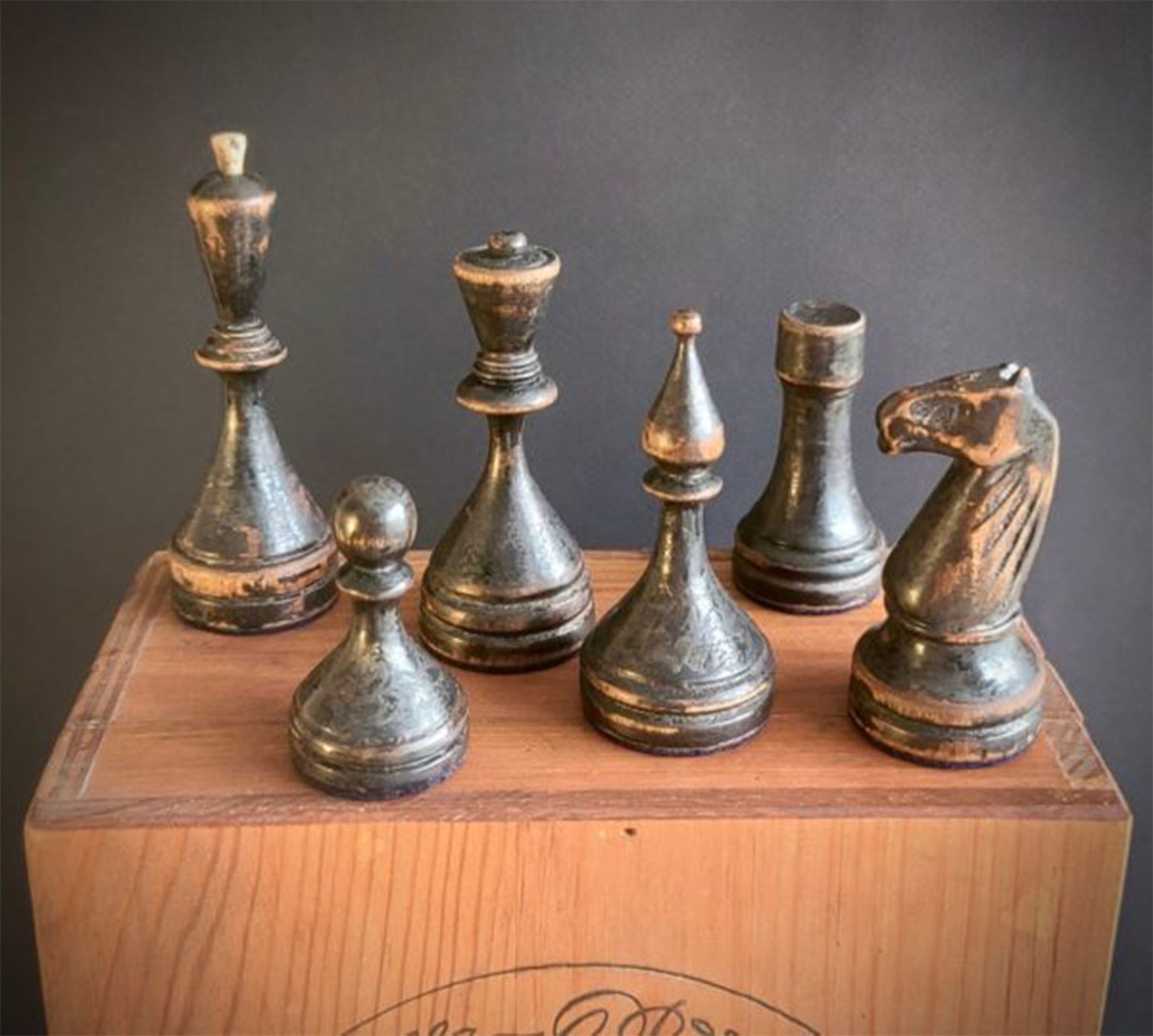
A symbol of the revolutionary moment when popular culture reunited with chess, this set is a reproduction of the legendary 1950s “Soviet Latvian” design. Featured in the breathtaking final match between Beth Harmon and Vasily Borgov, these pieces with their slender, tall, and elegant silhouettes were known to be a favorite of the world champion Mikhail Tal, the “Magician from Riga.” Crafted from ebonized birch and boxwood, this design is the central icon of the “Queen’s Gambit Effect,” which triggered a massive global surge in chess interest. Where craftsmanship meets cinematic storytelling, this set stands as powerful proof of the universal appeal of chess in the modern era.
A City, A Championship, A Myth: The “Baku” Legacy of Leningrad
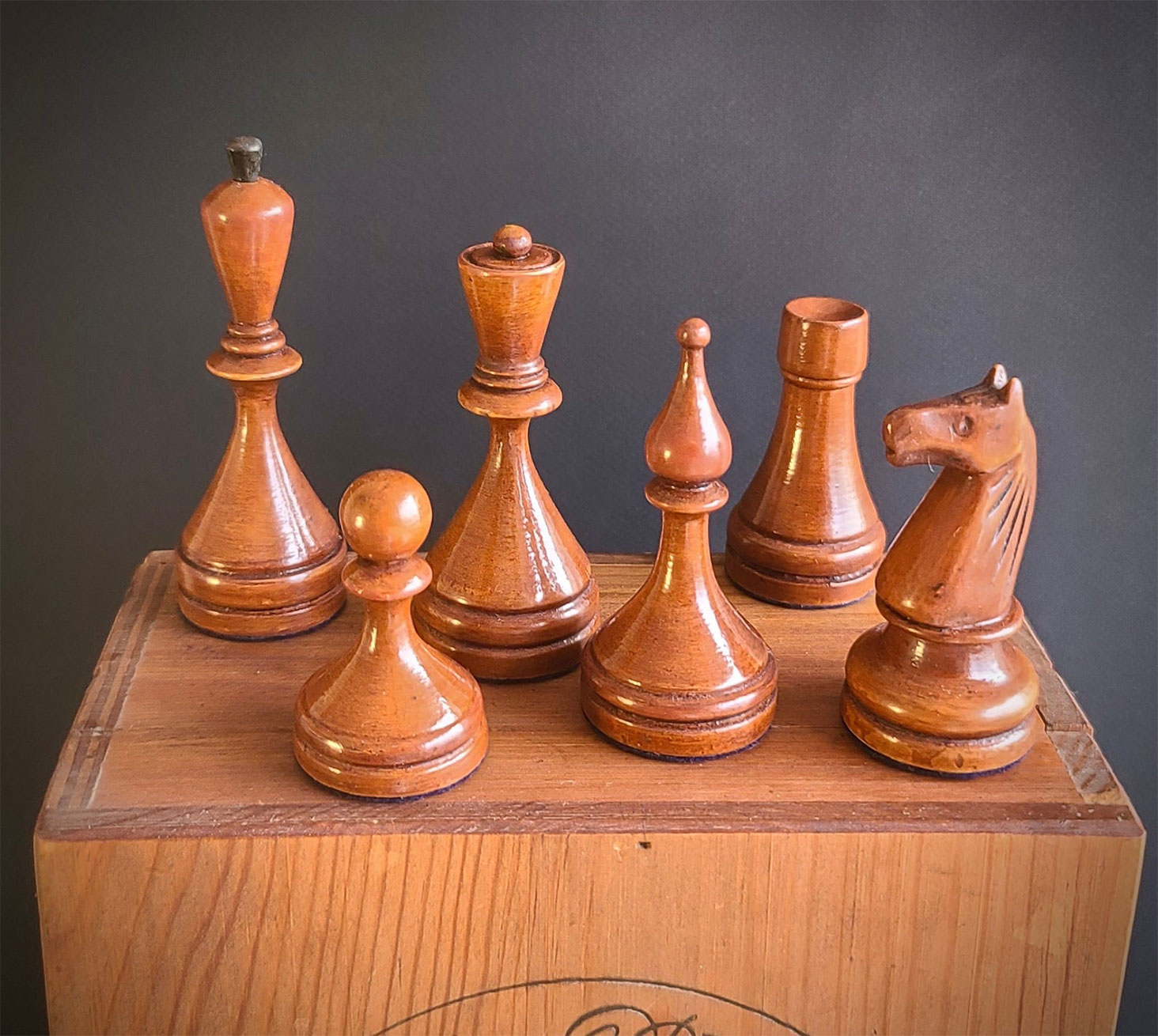
Famous in the chess world as the “Baku 1961” set, this design is actually a masterpiece of the Artel Drevprom workshops in the Leningrad region. It earned its moniker after being used by giants like Mikhail Tal during the 1961 USSR Championship held in Baku. Its iconic silhouette long, slender stems is, in fact, a pure expression of Leningrad Modernism.
Weighted with compressed sawdust instead of lead due to wartime shortages, these pieces prove that craftsmanship can remain aesthetic even under severe constraints. With its secular and minimalist form, entirely stripped of religious symbols, the set transformed into a universal instrument of strategy. Bearing the figurative fingerprints of a young Kasparov who grew up playing with these pieces in Baku, this Leningrad design is a classic example of how a misnomer can become a global legend.