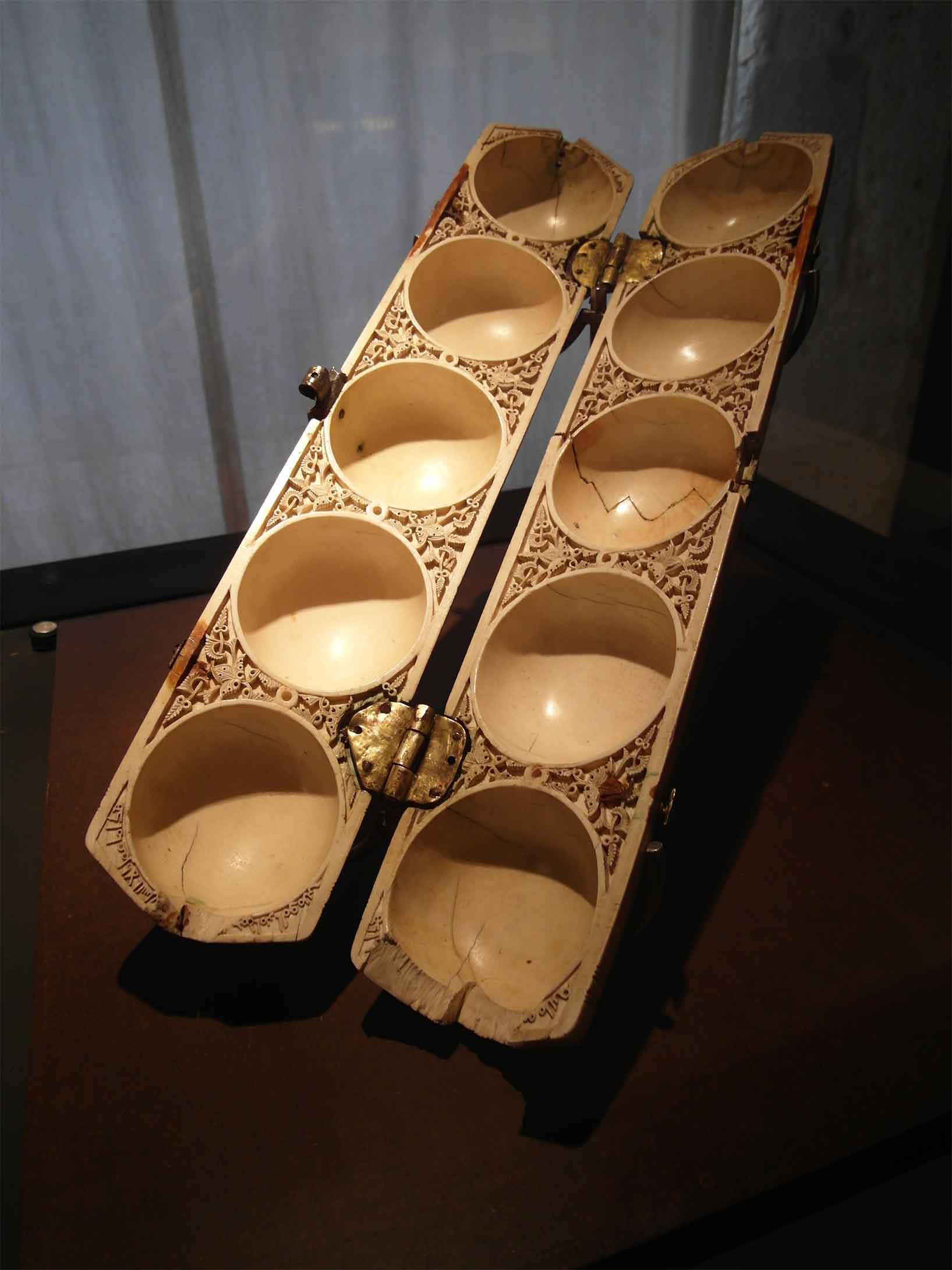
The Rhythm of Harvest: Mancala and Collective Wisdom Spanning from the heart of Africa to Asia and the Middle East, Mancala is humanity’s oldest “count-and-capture” game. Found in forms ranging from holes dug into the earth to magnificent wooden boards carved for royalty, it symbolizes not just mathematical skill, but the cycles of abundance and sharing. Though known by many names over millennia, its consistent and profound logic serves as a testament to how human intellect meets on a universal ground, regardless of geography.
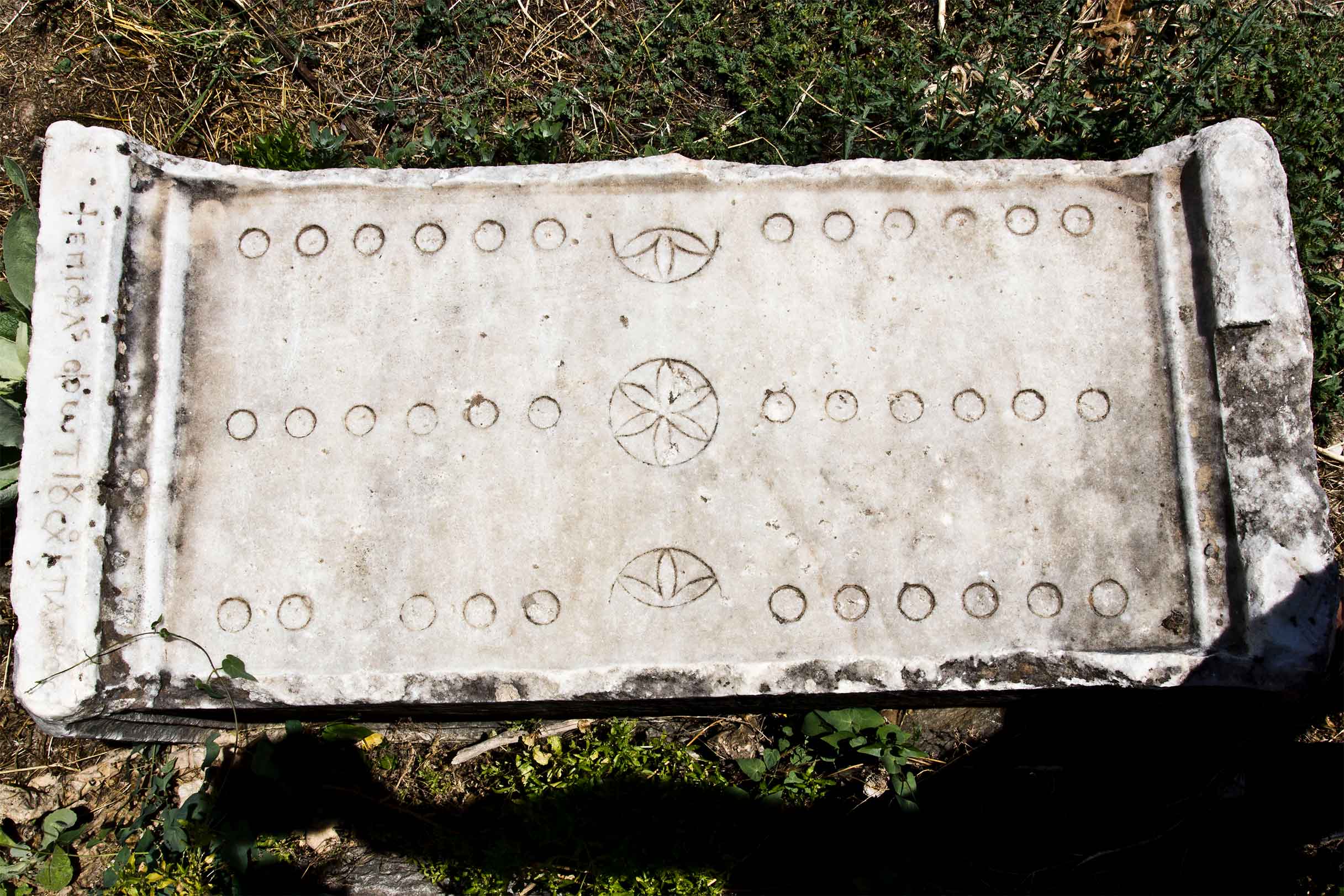
Life Etched in Marble: From Aphrodisias to Backgammon Frequently encountered on the stadium steps and public spaces of Aphrodisias, these marble game boards are vivid traces of Rome’s daily social fabric. Ludus Duodecim Scriptorum is a legacy that evolved from Roman street culture into the strategic frameworks of the Byzantine and Islamic worlds, eventually transforming into modern Backgammon (Tabula). These lines whisper that in the ancient world, people were not just playing games; they were building cultural bridges.
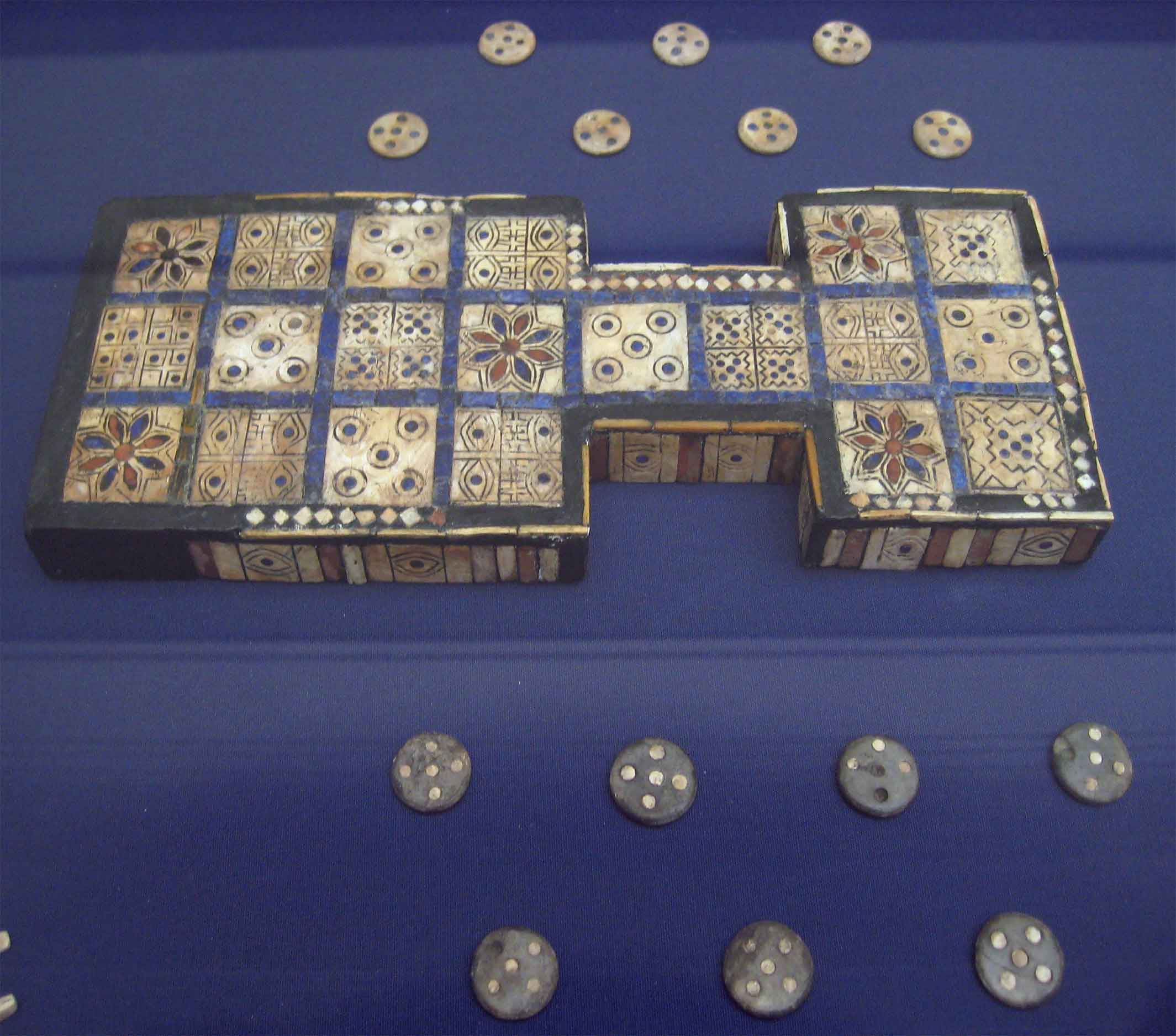
First Moves of Time: The Royal Game of Ur Emerging from the heart of Mesopotamia circa 2600 BC, this game is one of humanity’s oldest documented passions for strategy. Its board, intricately inlaid with lapis lazuli and shell, showcases the sophisticated artistry and craftsmanship of the era. The rediscovery of its rules on a clay tablet millennia later allows this ancient mental heritage to reconnect with the modern world.
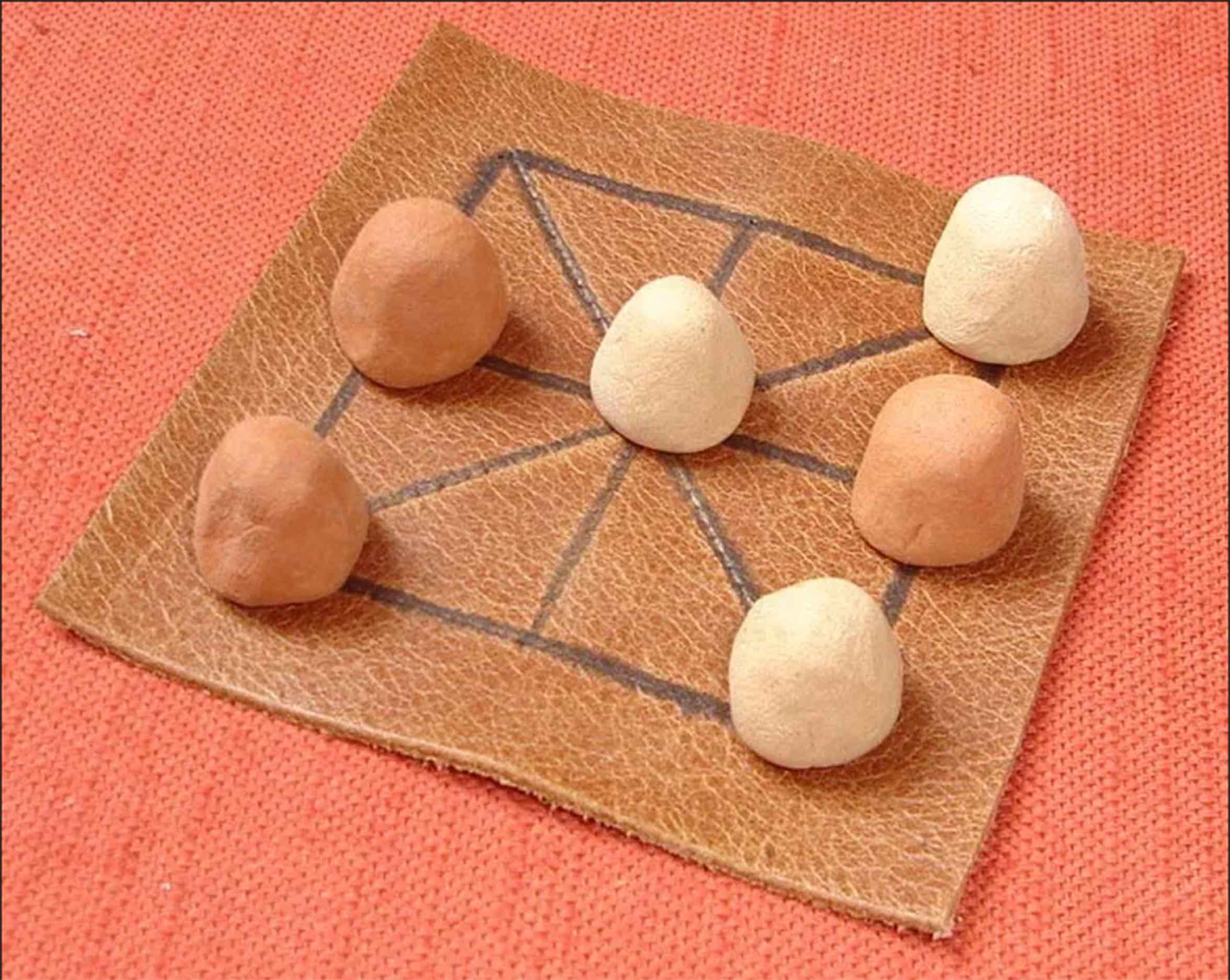
Universal Geometry: The Boundless Three Men’s Morris Tracing its roots from Ancient Egyptian temples to Roman forums, Three Men’s Morris is a symbol of profound strategy within simplicity. At least as ancient as chess, it is the “most democratic” mind game, kept alive by every civilization using local materials and carvings. Its survival for thousands of years without the need for complex rules proves its immutable place in the human psyche.